Logo

Malaysia Chinese Calligraphy Stone Gallery

马来西亚
中华人文碑林

Home
About
ForewordCommitteeDiscover BeilinEvolution of Chinese CharactersCalligraphy AppreciationVisitor Feedback
GalleryDynastyEvents & DownloadsContact UsReservation
English
简体中文
English
繁體中文
日本語
Bahasa

Curated Collection

Curated Stillness

Let these collections be more than a display—let them be a wandering, a quiet gaze. Here, every stroke is a whisper of time, leading you into the boundless river of the written word.
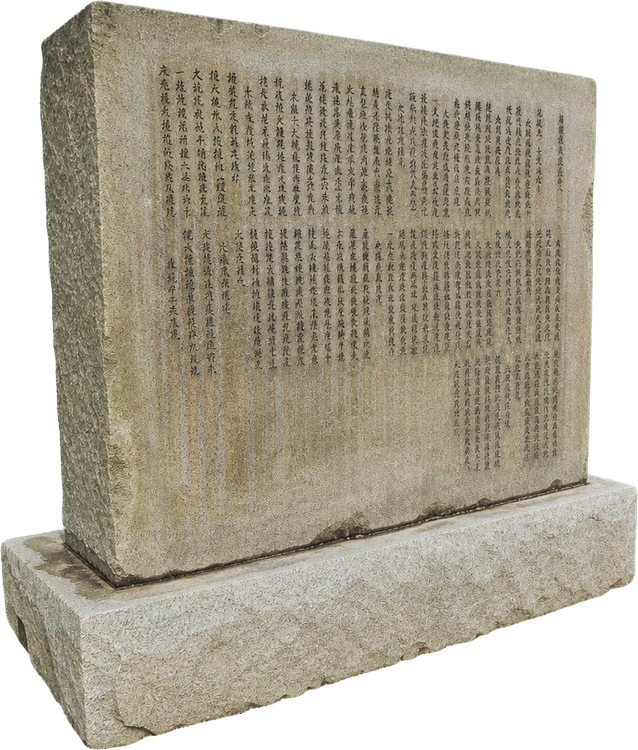
Oracle Bone Script
Wei Stele Script
Regular Script with Semi-Cursive
Semi-Cursive Script
Li Shu, Kai Shu
Regular and cursive scripts
Cursive Script
Running script
Regular script
Big seal script
Xiaozhuan
Clerical script
Bronze Inscription
Cai Xiang: Self-Written Poems

Running script

Cai Xiang: Self-Written Poems

Self-Written Poems is a handscroll written by Cai Xiang of the Northern Song dynasty. Cai Xiang was one of the Four Great Masters of Song calligraphy. His running script is refined, upright, and elegant, combining a disciplined structure with a gentle, fluent rhythm. This work shows his steady brush control and graceful movement, with characters that are calm, balanced, and richly expressive. It reflects the Song literati taste for clarity, restraint, and cultivated personal expression.

Yan Zhenqing's Draft of a Requiem to My Nephew

Running script

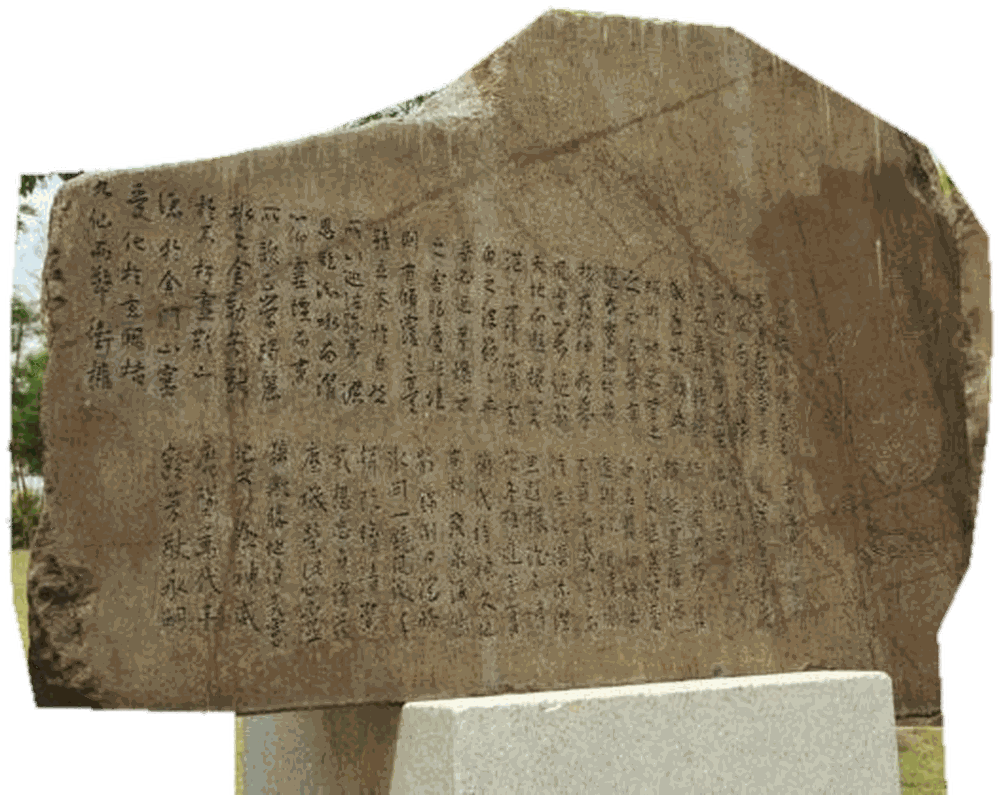
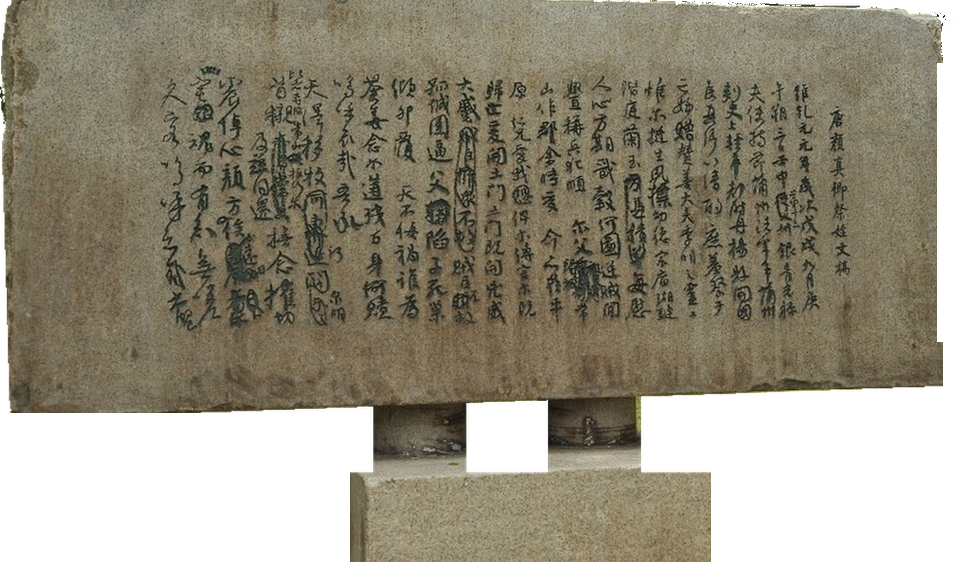
Yan Zhenqing's Draft of a Requiem to My Nephew

The Draft of a Requiem to My Nephew was written in the first year of the Qianyuan era of the Tang dynasty, 758 CE, when Yan Zhenqing was about fifty years old. It was a draft written in mourning for his nephew Yan Jiming. The text recounts how Yan Gaoqing, Governor of Changshan, and his family stood up during the An Lushan Rebellion and resisted with determination, resulting in the tragedy of “the father captured and the son killed, the nest overturned and the eggs broken,” sacrificing themselves for righteousness. The brushwork surges with emotion and flows in one breath, often reaching dry-brush passages that appear even more vigorous and fluid. It is a masterpiece nourished by sincere feeling, a resonance of the heart, a voice of extreme grief and indignation, and an immortal work condensed from blood and tears. It is known as “the second-best running script under heaven.”

Emperor Taizong Li Shimin's Inscription at Jinci Temple (excerpt)

Running script

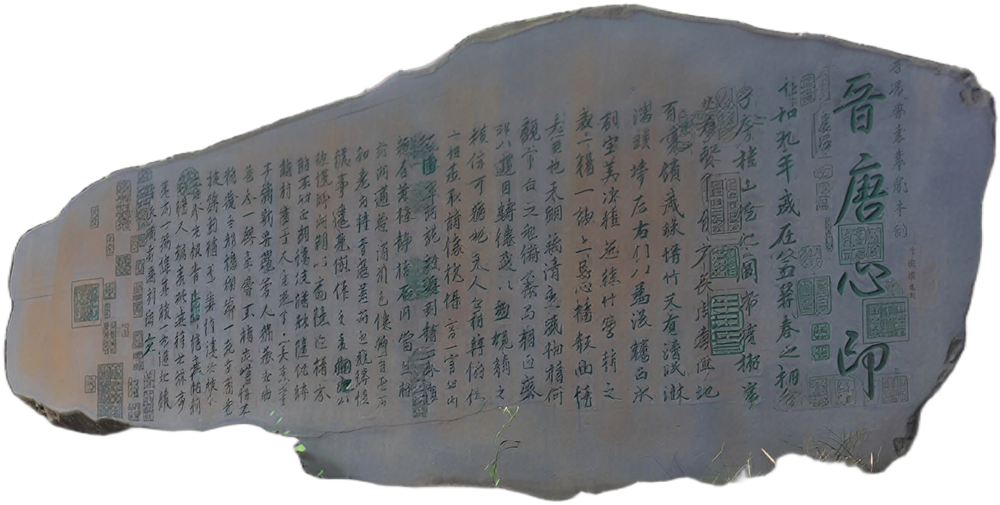
Emperor Taizong Li Shimin's Inscription at Jinci Temple (excerpt)

The Inscription at Jinci Temple stands in the Zhenguan Baohan Pavilion at Jinci Temple in Taiyuan, Shanxi. It was composed and written by Emperor Taizong Li Shimin of the Tang dynasty. Each line contains between forty-four and fifty characters, with twenty-eight lines in total. The text recounts how Li Yuan and his son Li Shimin raised an army in Taiyuan, and after founding the Tang dynasty, came here to express gratitude for the divine grace of Shu Yu. The inscription praises the political harmony of the Zhou tradition and Tang Shuyu's strategy for founding a state, promotes the civil and military achievements of the Tang dynasty, and presents the political ideals of the Zhenguan reign, including governing through virtue as the foundation for building and strengthening the state. The calligraphy is vigorous, elegant, upright, free, and unrestrained. It is a masterpiece among the calligraphic works of Chinese emperors and is also the first running-script stele in the history of Chinese calligraphy.

Wang Xizhi's Preface to the Orchid Pavilion

Running script

Wang Xizhi's Preface to the Orchid Pavilion

The Preface to the Orchid Pavilion was written in the ninth year of the Yonghe era (AD 353). It is traditionally said to have been composed spontaneously by Wang Xizhi as a preface during a spring purification gathering of literati with poetry and wine. Later generations described Wang Xizhi's calligraphy as "graceful as a startled swan, lithe as a wandering dragon," and honored him as the Sage of Calligraphy. The Preface to the Orchid Pavilion is a treasure of calligraphy, known as the finest running script under heaven, and has been admired and copied by calligraphers through the ages. The surviving Shenlong copy of Wang Xizhi's Preface to the Orchid Pavilion has generally been called the Feng Chengsu traced copy since Guo Tianxi of the Yuan dynasty. The Orchid Pavilion is located in present-day Shaoxing, Zhejiang.

Logo

Malaysia Chinese Calligraphy Stone Gallery

马来西亚
中华人文碑林

Find your peace within the words, and take its echo with you.

Copyright © 2025 中华人文碑林. All Rights Reserved.