汉字的演变
The Evolution of Chinese Characters
From the inscriptions on tortoise shells and animal bones to the engravings on bronze ware; from the rigorous and square Small Seal script to the free and flowing Running and Cursive scripts, Chinese characters are not only a tool for recording language, but also an art form that carries the spirit of the Chinese nation for five thousand years.
Oracle Bone Script
甲骨文
Oracle bone script is the earliest known mature writing system in China, mainly inscribed on tortoise shells or animal bones for divination. Its characters have a strong pictographic character, with slender, strong, and upright lines, showcasing the ancient people's most direct observation and awe of nature.
Bronze Inscriptions
金文 (钟鼎文)
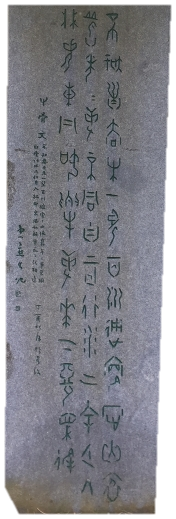
With the development of bronze casting technology, characters began to be cast onto bronze artifacts. The lines of bronze inscriptions were more robust and full than those of oracle bone inscriptions, and the structure gradually became more square, reflecting the grandeur of the Shang and Zhou dynasties and the solemnity of patriarchal authority.
Small Seal Script
小篆
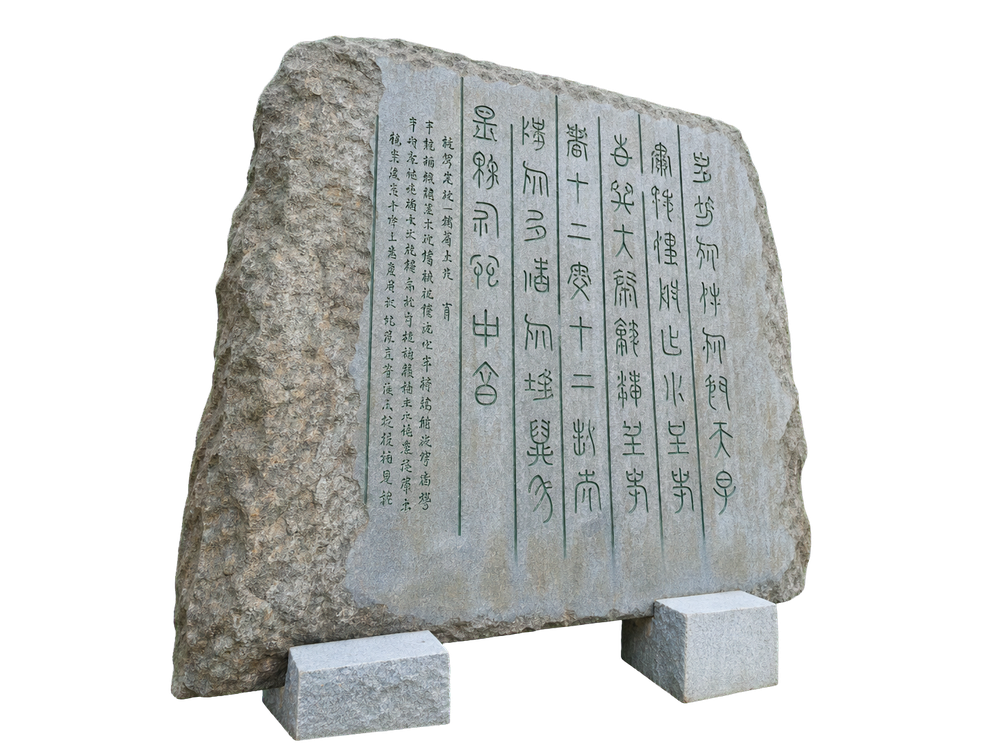
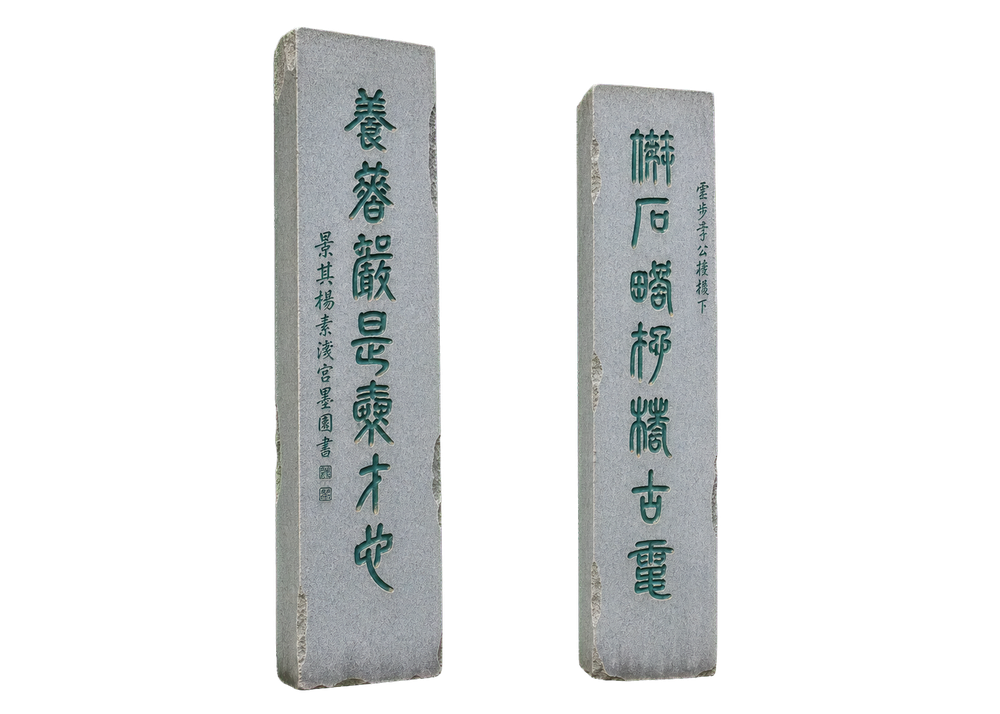
After unifying China, Qin Shi Huang implemented the "standardization of writing," and Prime Minister Li Si and others simplified and created the Small Seal script based on the Large Seal script. The Small Seal script features rounded and even lines and a symmetrical structure, representing the first systematic standardization of Chinese characters and possessing a highly decorative aesthetic.
Clerical Script
隶书
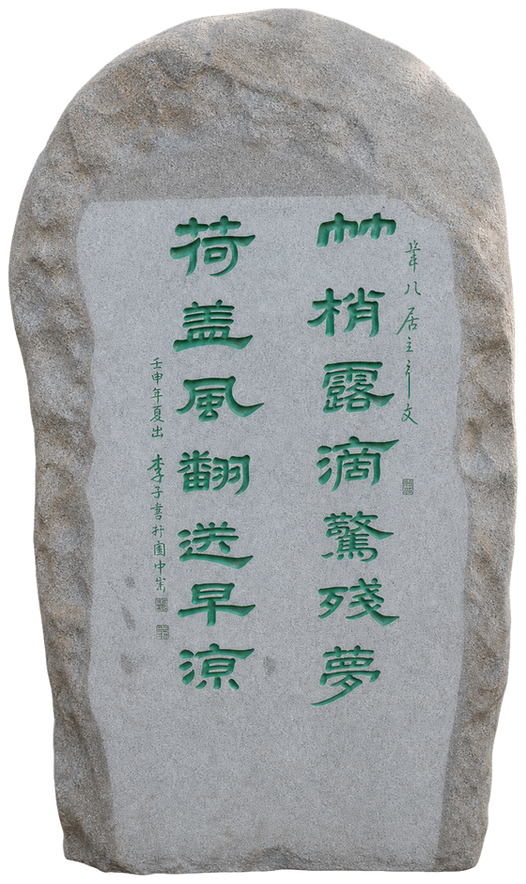
The "Clerical Script Transformation" was the biggest turning point in the history of Chinese character evolution. It transformed rounded shapes into squares and curved lines into straight lines, resulting in the beautiful, flowing strokes reminiscent of "silkworm heads and swallow tails." Han Dynasty clerical script possesses both the ancient simplicity and grandeur of stone inscriptions and the vivid naturalness of bamboo and wooden slips.
Regular, Running & Cursive Script
楷、行、草书
After the Wei and Jin Dynasties, the form of Chinese characters was basically finalized. The regular script with strict rules became the standard script; the running script was smooth and convenient, becoming the mainstream of daily writing; while the cursive script completely broke with convention and became a pure artistic expression for calligraphers to express their intense emotions.
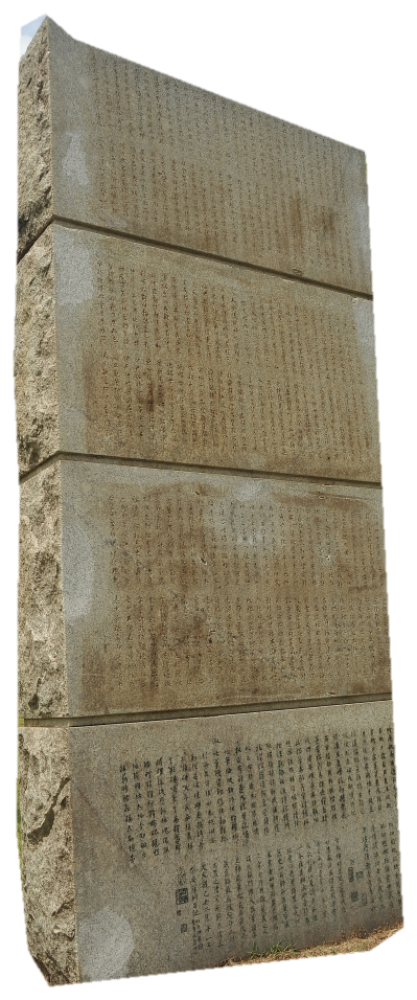

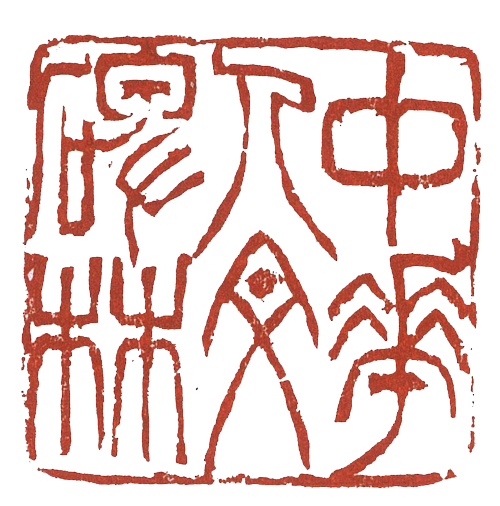
Malaysia Chinese Calligraphy Stone Gallery