Dynasties & Evolution
Traces of Eras
Follow the ancient river of time, tracing the soul of Chinese script from the oracle bones of Shang to the flowing cursive of Qing. Here, every era has left its eternal breath upon the stone.
近代
Modern Era
1912 CE-present
Since the modern era, calligraphy has continued to transform through social change, education, and modern exhibition systems. Traditional stele and model-book resources have been reorganized, studied, and reinterpreted in new public cultural spaces.
More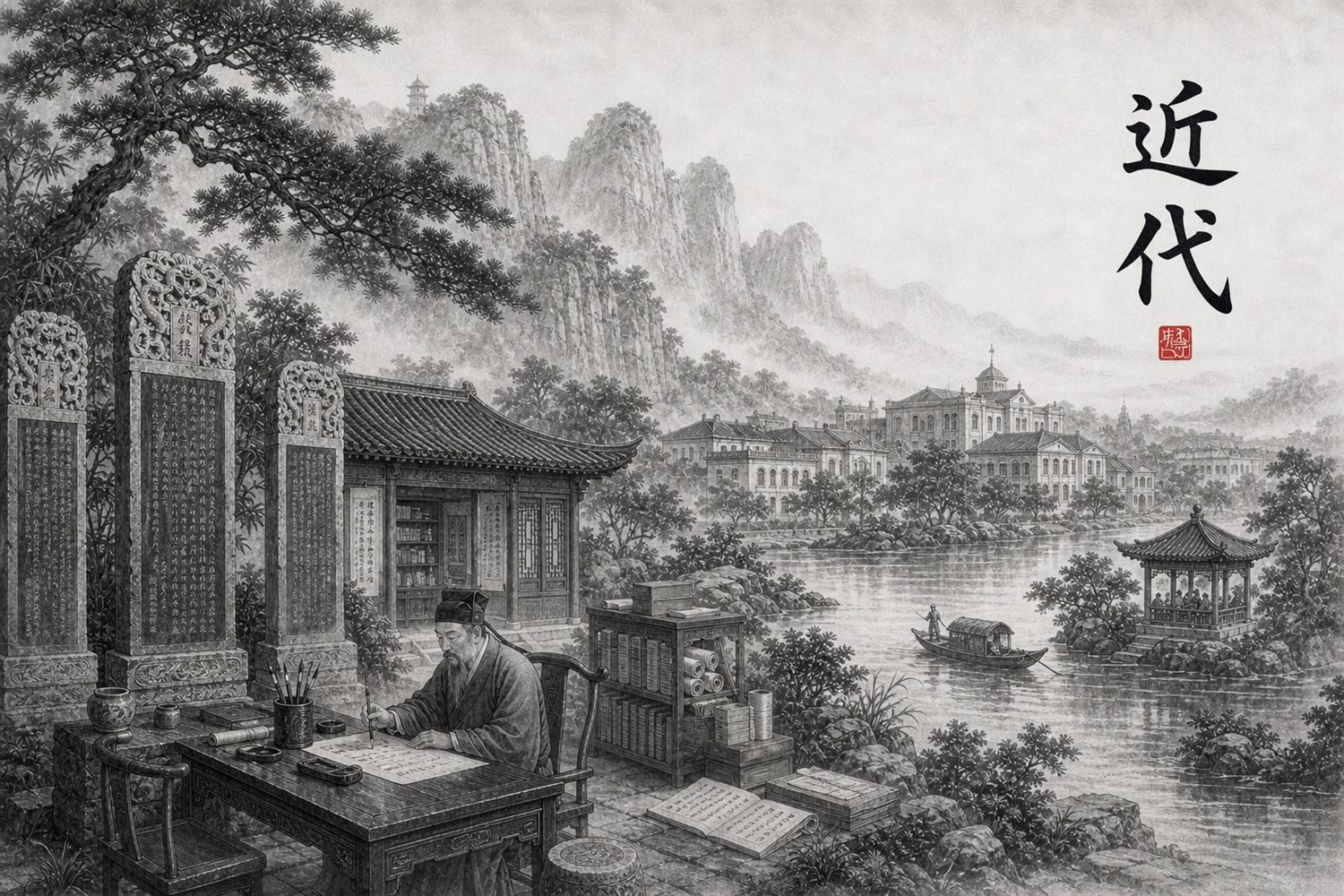
清朝
Qing Dynasty
1644 CE-1912 CE
In the Qing dynasty, epigraphy flourished and stele studies gained new importance, making seal, clerical, and northern stele scripts major sources for innovation. Evidential scholarship and inscription research helped form a weighty, archaic style.
More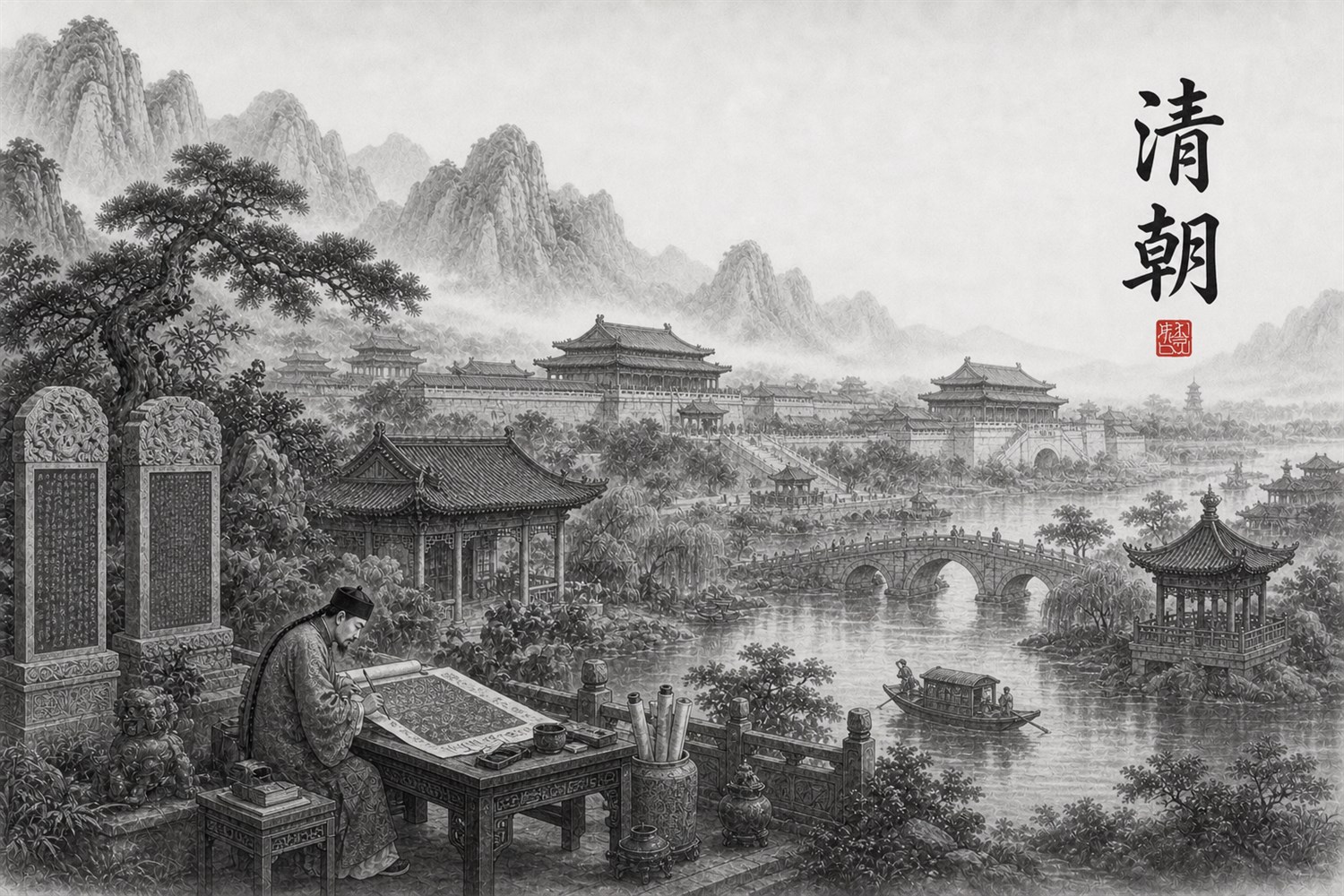
明朝
Ming Dynasty
1368 CE-1644 CE
In the Ming dynasty, urban culture and literati circles were highly active, and calligraphy spread through model-book study, engraving, and collecting. Wu School calligraphers and late-Ming individualist styles together showed a broad range from elegance to bold eccentricity.
More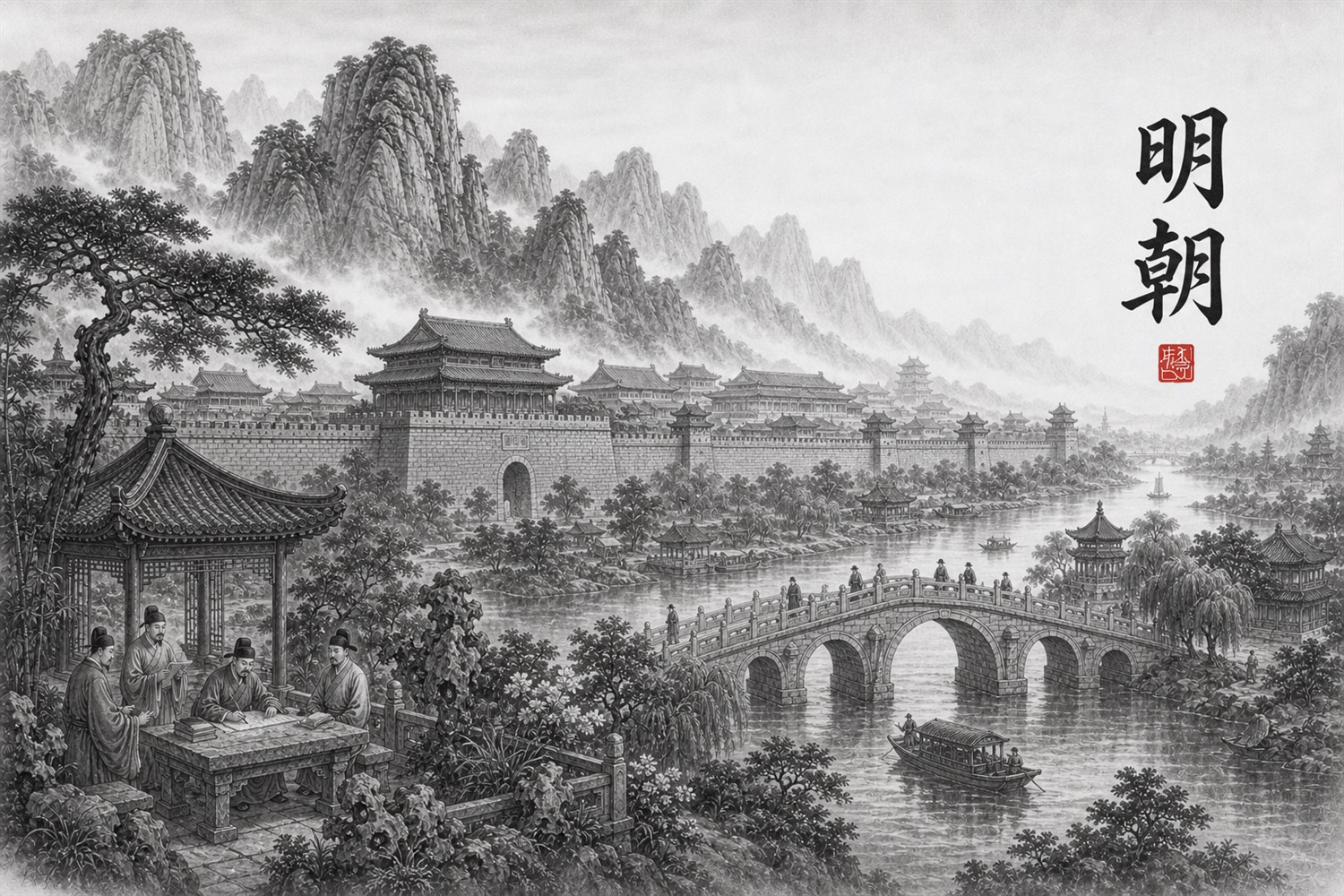
元朝
Yuan Dynasty
1271 CE-1368 CE
The Yuan dynasty brought together multiple cultures, while many scholars renewed tradition through a return to Jin and Tang models. Zhao Mengfu and others advocated graceful, rounded brushwork, giving calligraphy a new character through looking back.
More
南宋
Southern Song Dynasty
1127 CE-1279 CE
The Southern Song, based in the south, developed a refined and restrained cultural taste. Calligraphy continued the Song emphasis on expressive intent through letters, colophons, and the collecting of inscriptions and model books.
More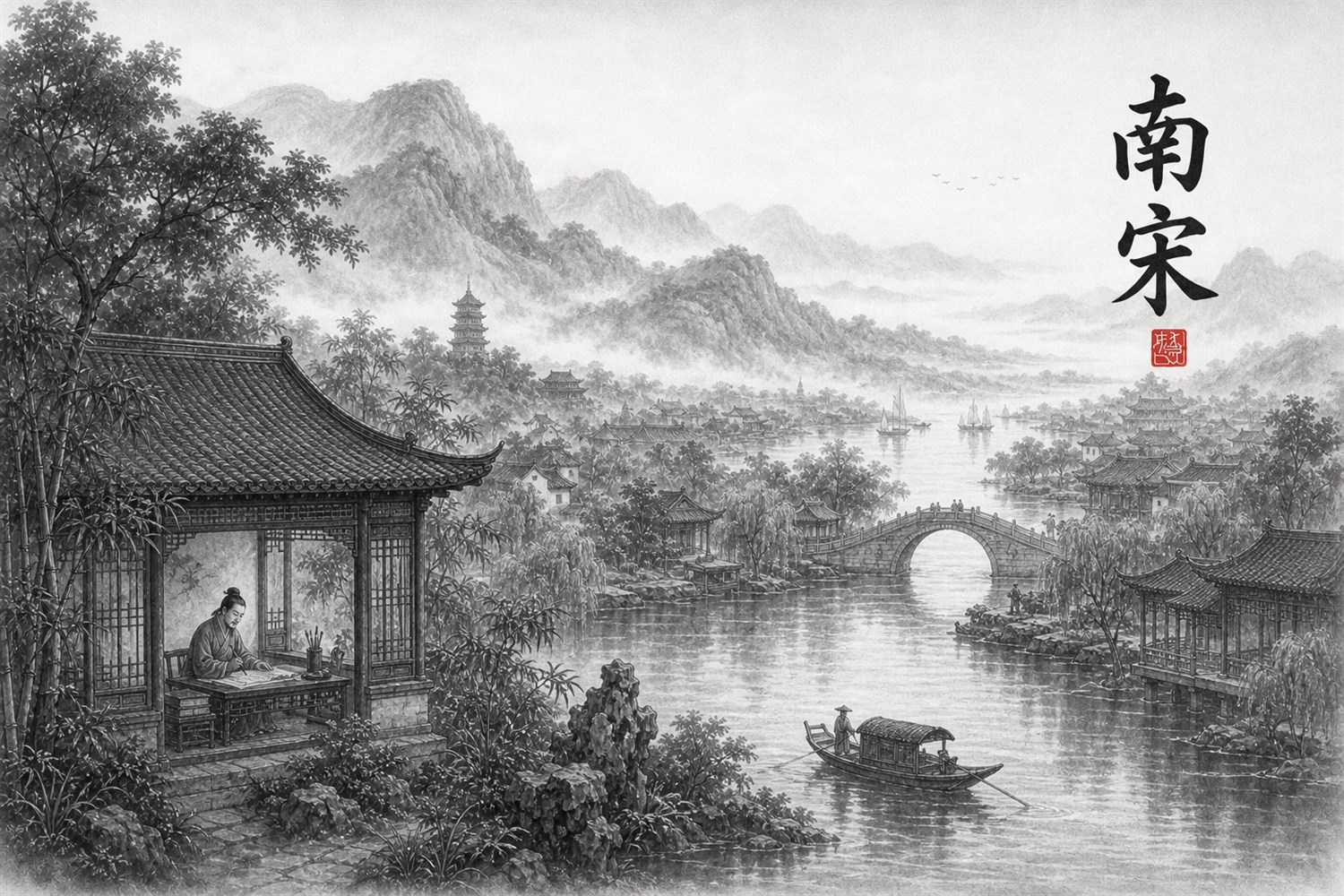
北宋
Northern Song Dynasty
960 CE-1127 CE
The Northern Song valued civil culture and scholar-official expression, and calligraphy emphasized personality, learning, and brushwork spirit. Su Shi, Huang Tingjian, Mi Fu, and others opened new ground through a style centered on expressive intent.
More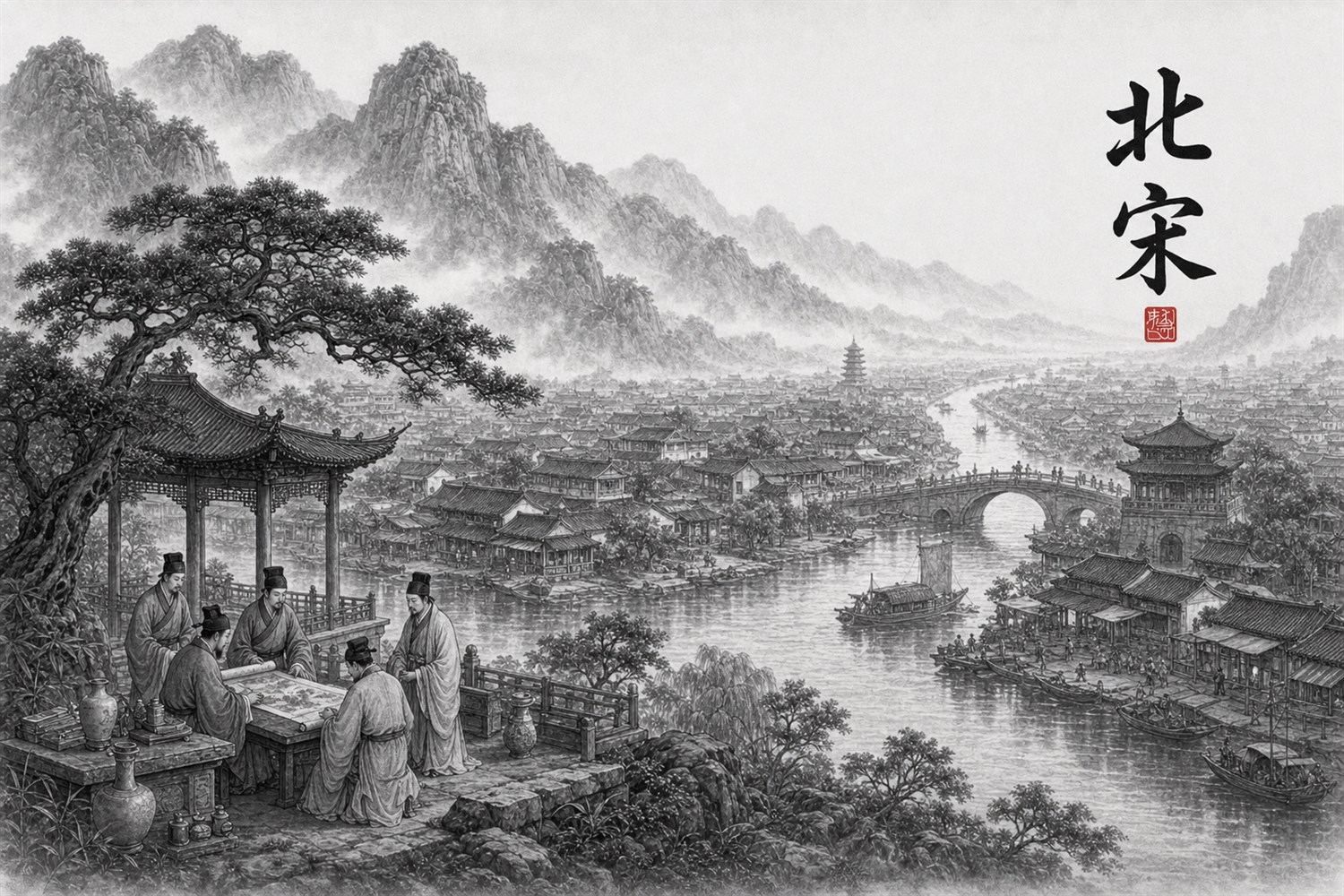
唐朝
Tang Dynasty
618 CE-907 CE
In the Tang dynasty, imperial confidence and cultural breadth brought regular script to a high point of formal discipline. Masters such as Ouyang Xun, Yan Zhenqing, and Liu Gongquan established models that later generations repeatedly studied.
More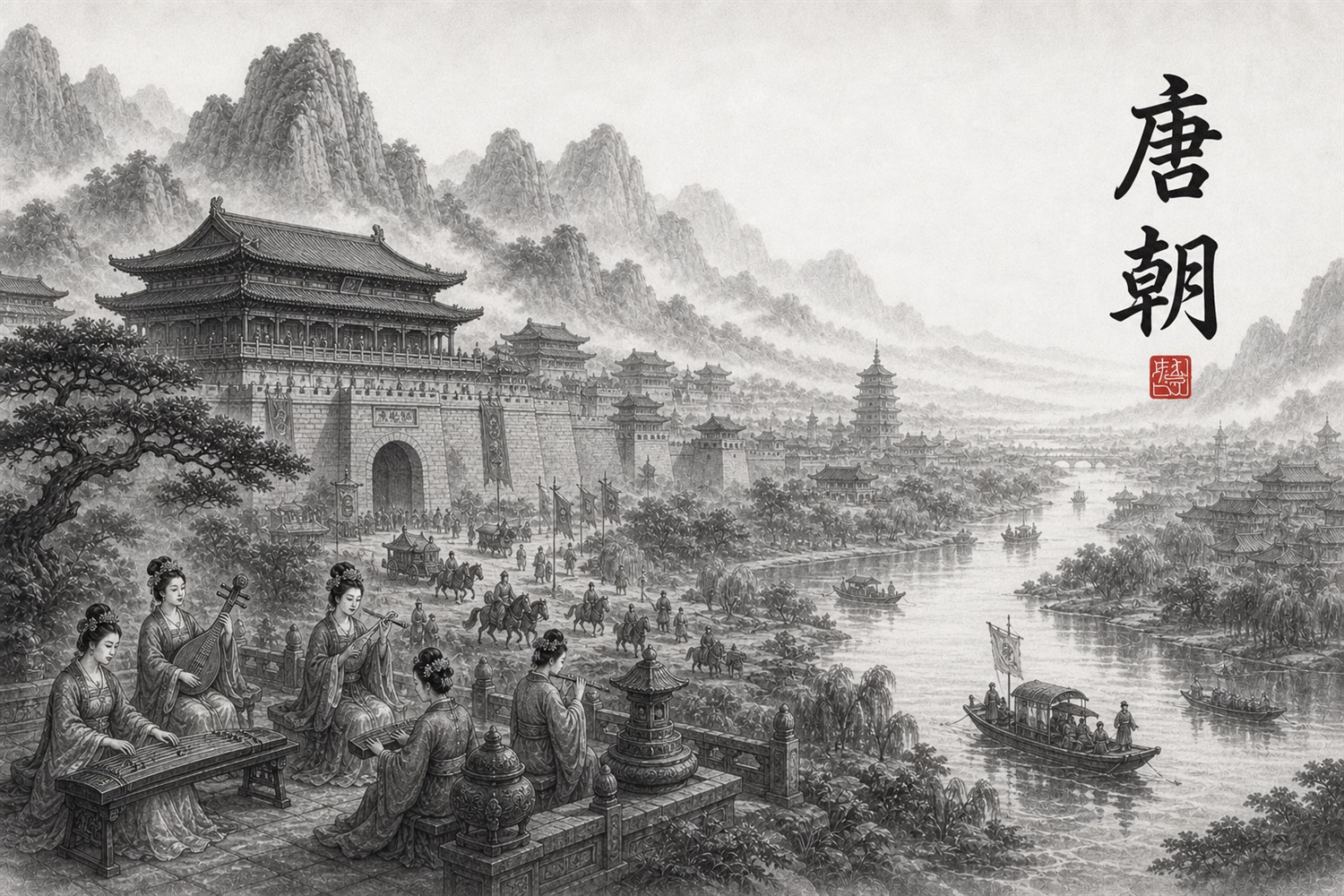
隋朝
Sui Dynasty
581 CE-618 CE
The Sui dynasty ended north-south division and brought institutions and culture back toward unity. Calligraphy drew together the strength of northern steles and the elegance of southern model books, preparing the disciplined regular script of the Tang.
More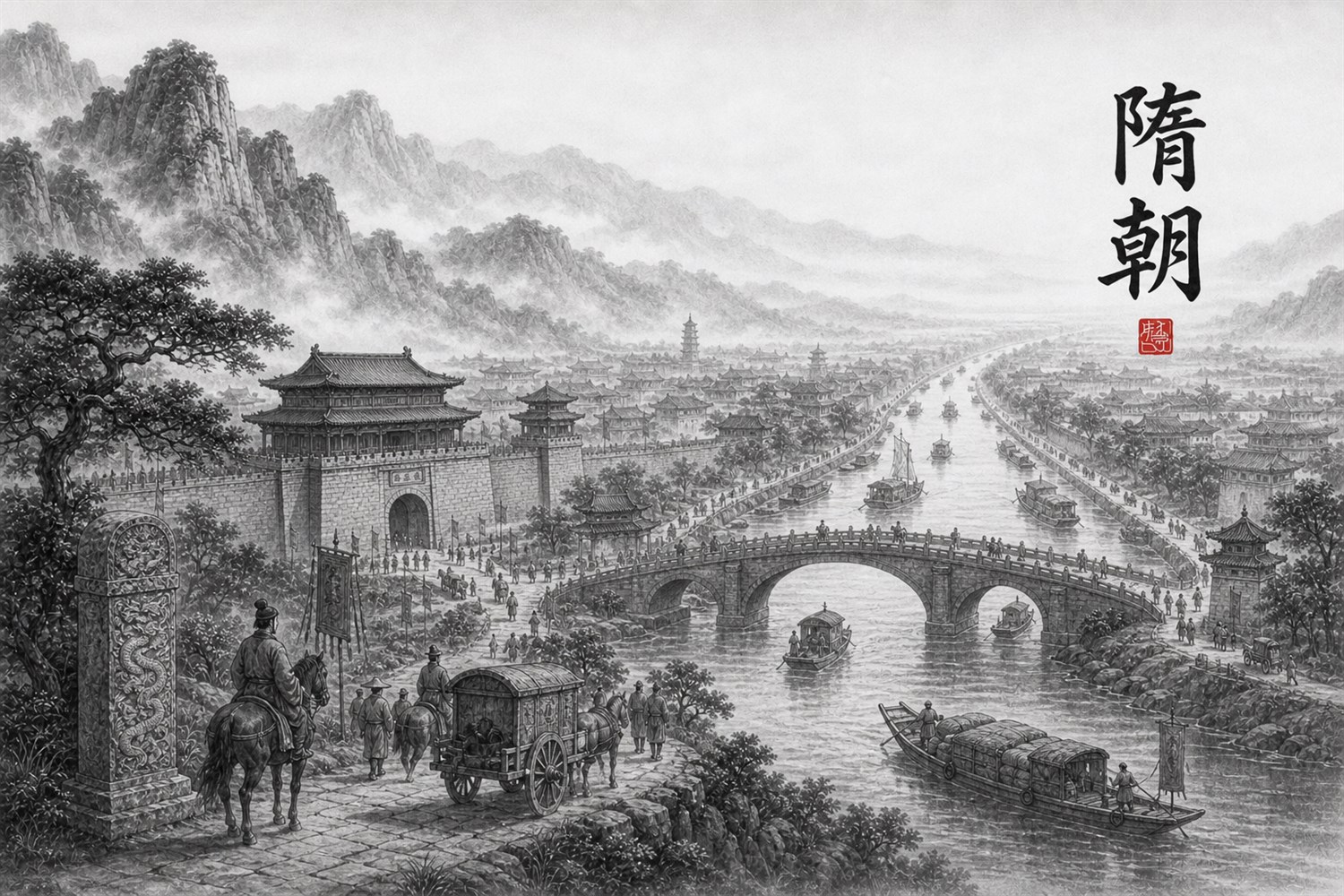
南北朝
Northern and Southern Dynasties
420 CE-589 CE
The Northern and Southern Dynasties were shaped by long division: southern calligraphy tended toward refined grace, while northern inscriptions carried a powerful monumentality. Regional and ethnic exchange gave stele and model-book traditions distinct forms.
More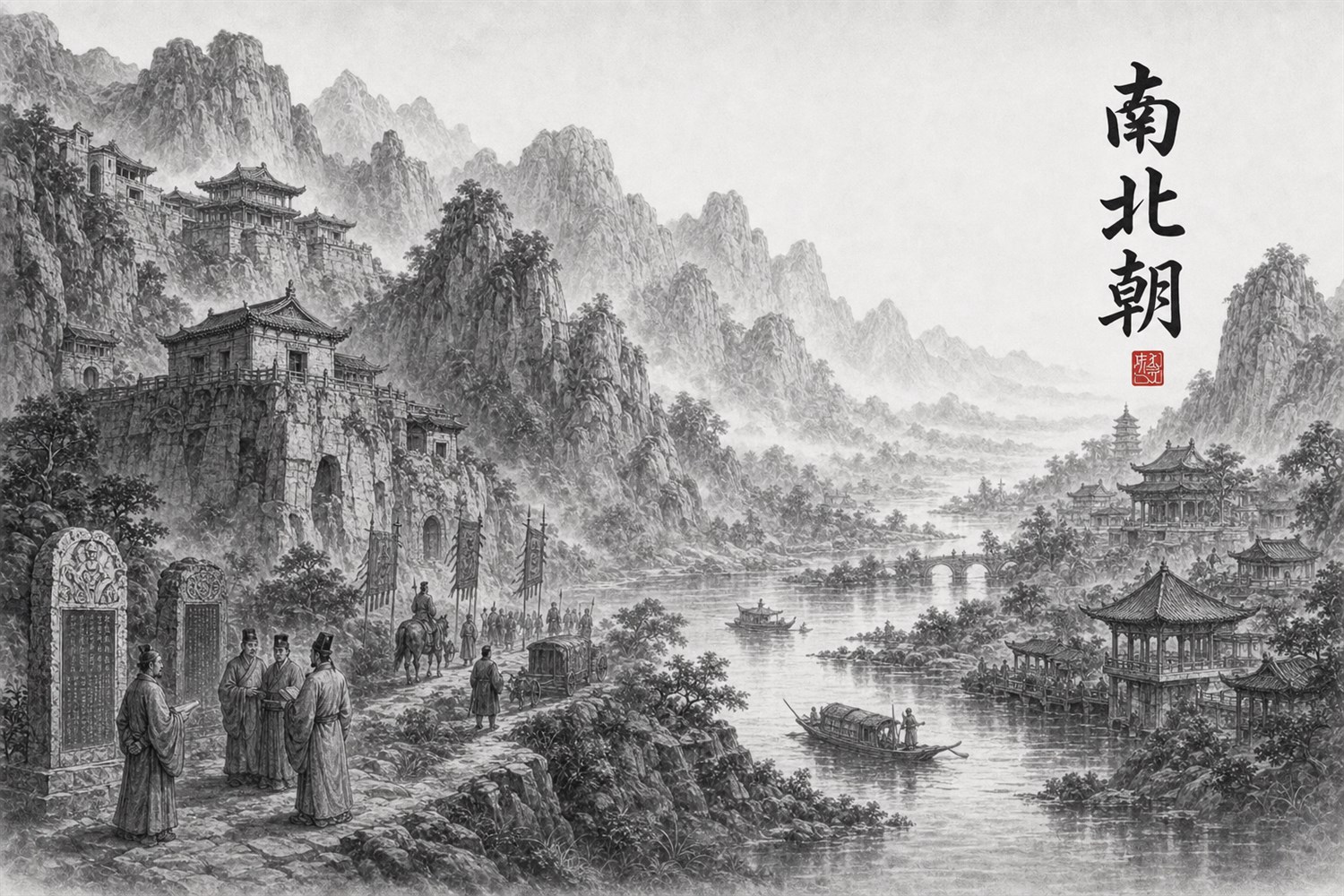
东晋
Eastern Jin Dynasty
317 CE-420 CE
Eastern Jin elite culture flourished, and calligraphy moved from practical writing toward a highly self-aware art. The elegance of running and cursive scripts, shaped by masters such as Wang Xizhi, established the admired spirit of Wei-Jin style.
More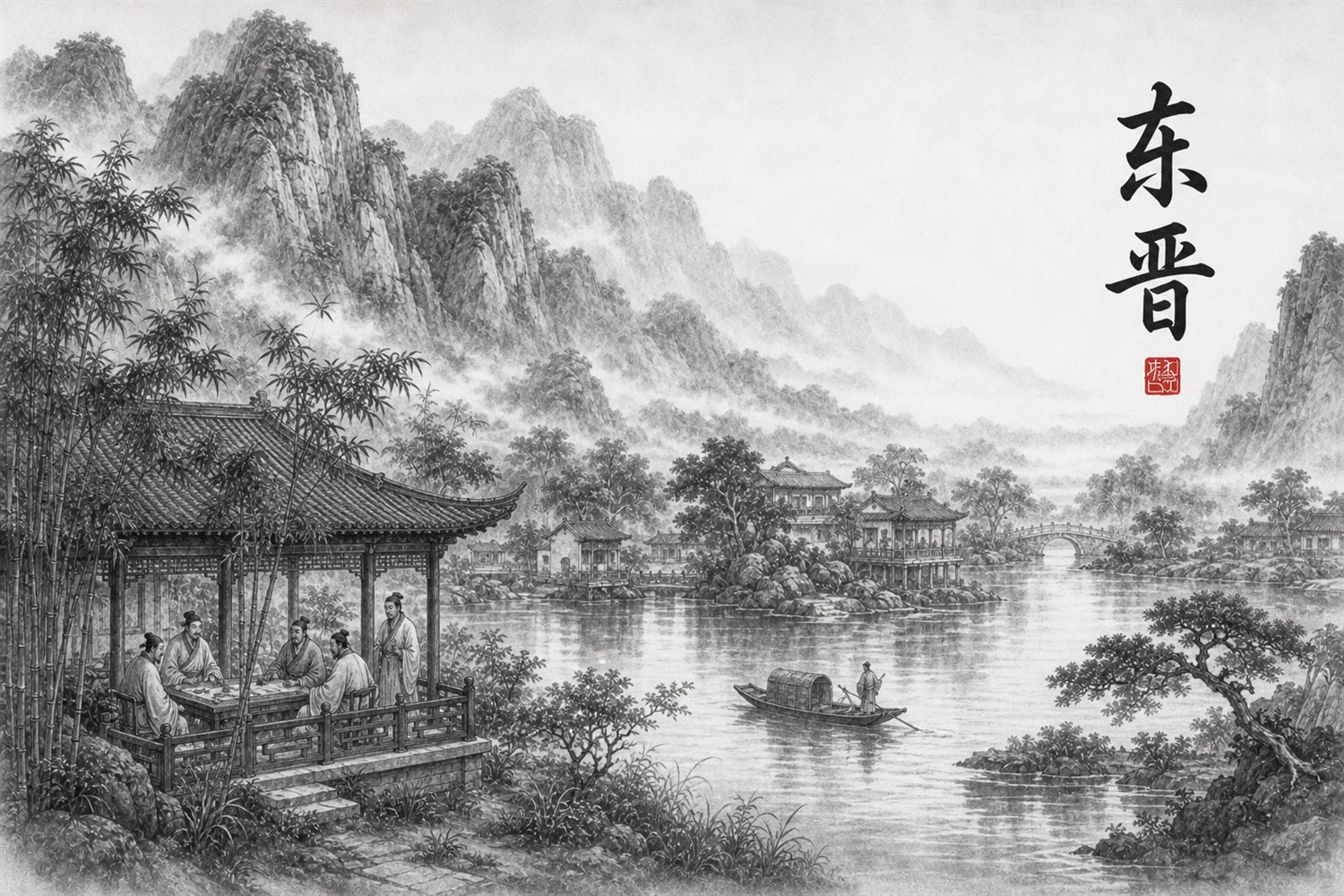
三国
Three Kingdoms Period
220 CE-280 CE
The Three Kingdoms period was marked by rival regimes, political change, and regional cultural development. Writing continued the Han clerical tradition while nurturing shifts toward regular, running, and cursive scripts, giving the age a lively variety.
More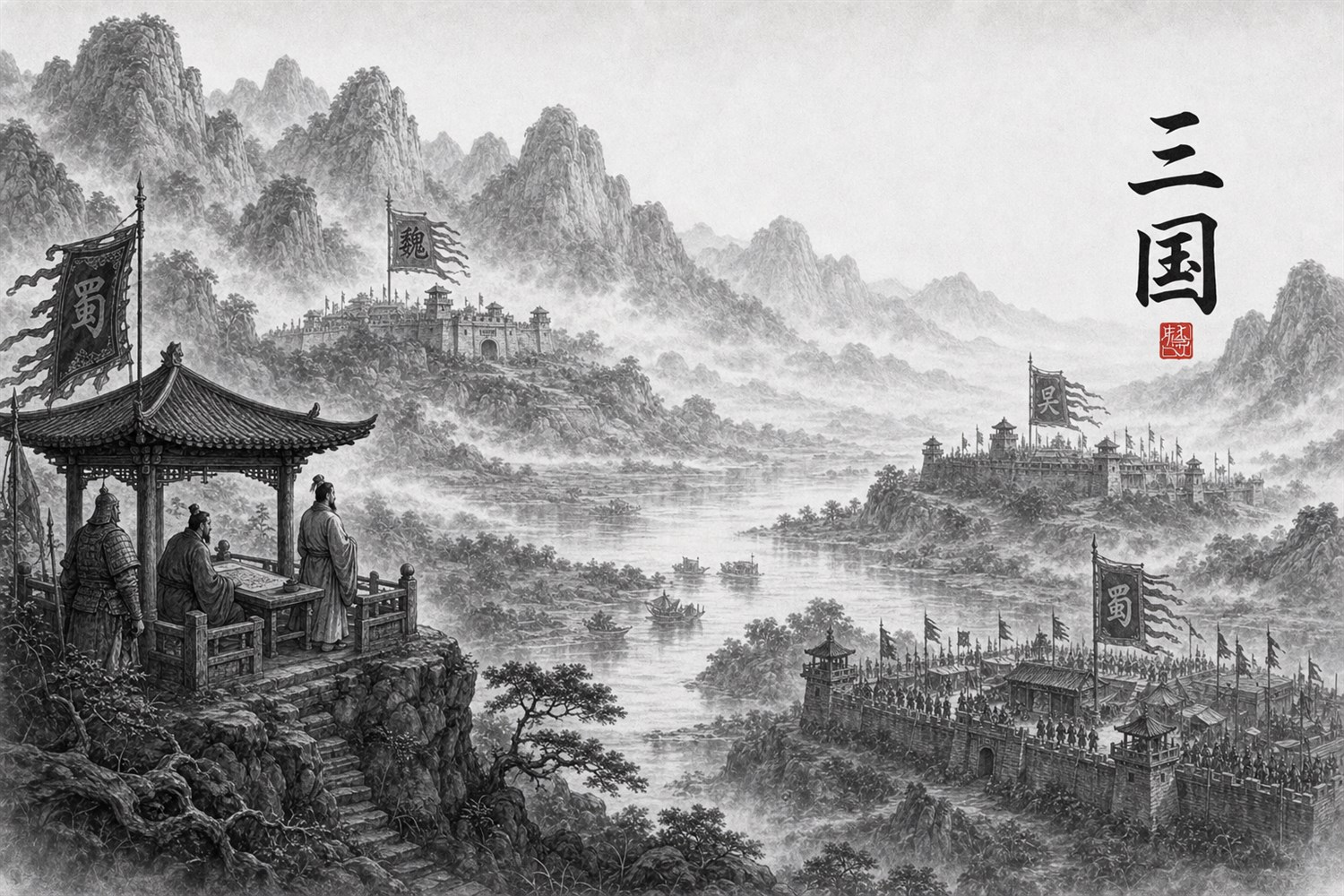
东汉
Eastern Han Dynasty
25 CE-220 CE
In the Eastern Han, stone inscriptions flourished and mature clerical script left an orderly, rhythmic presence on monuments. These inscriptions served ritual and commemorative purposes and became key models for later study of Han clerical style.
More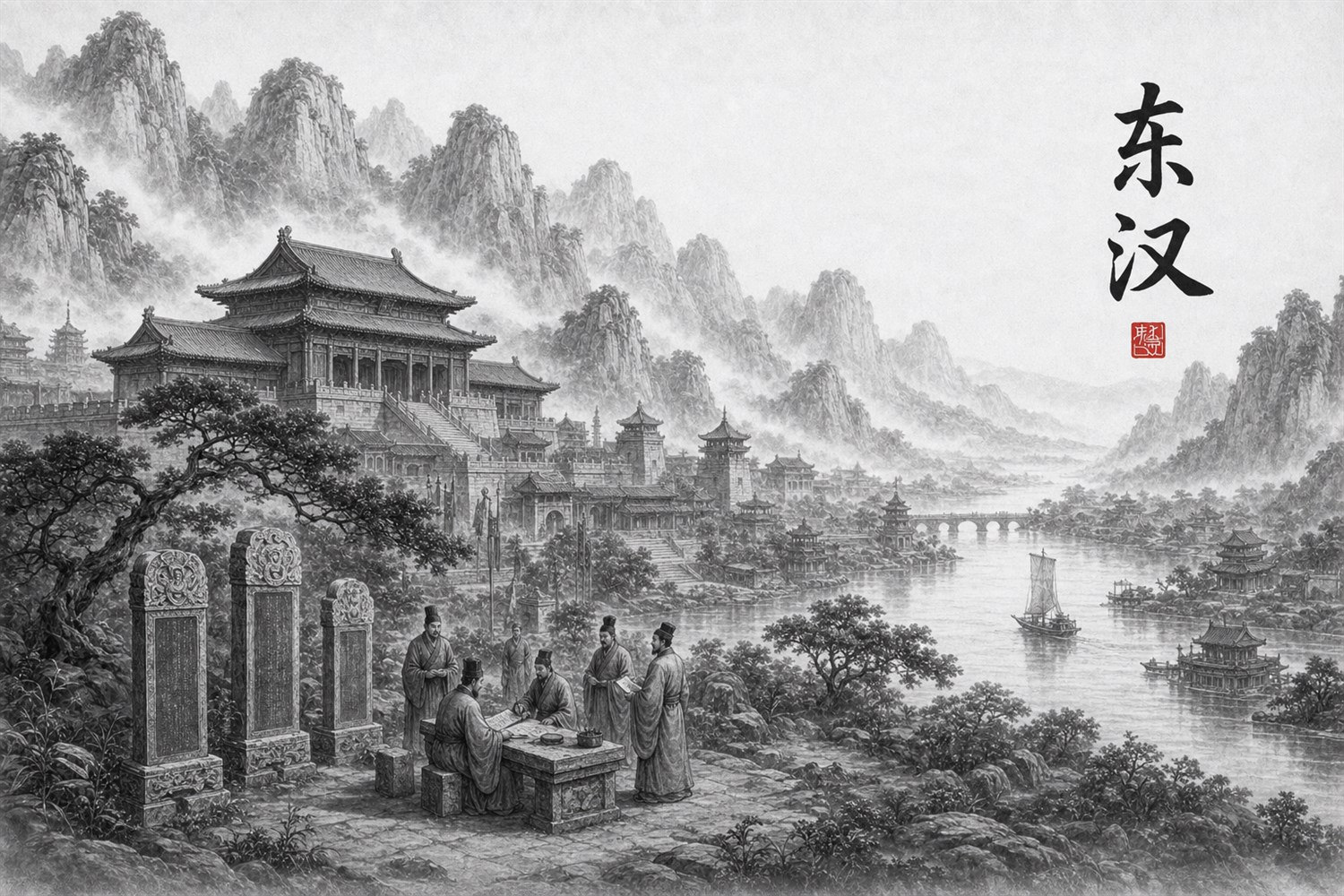
西汉
Western Han Dynasty
206 BCE-25 CE
The Western Han was a period of expanding power, with bamboo slips, silk manuscripts, and inscriptions recording institutions, thought, and daily life. Clerical script matured, moving from seal-script traces toward a broader, more level structure.
More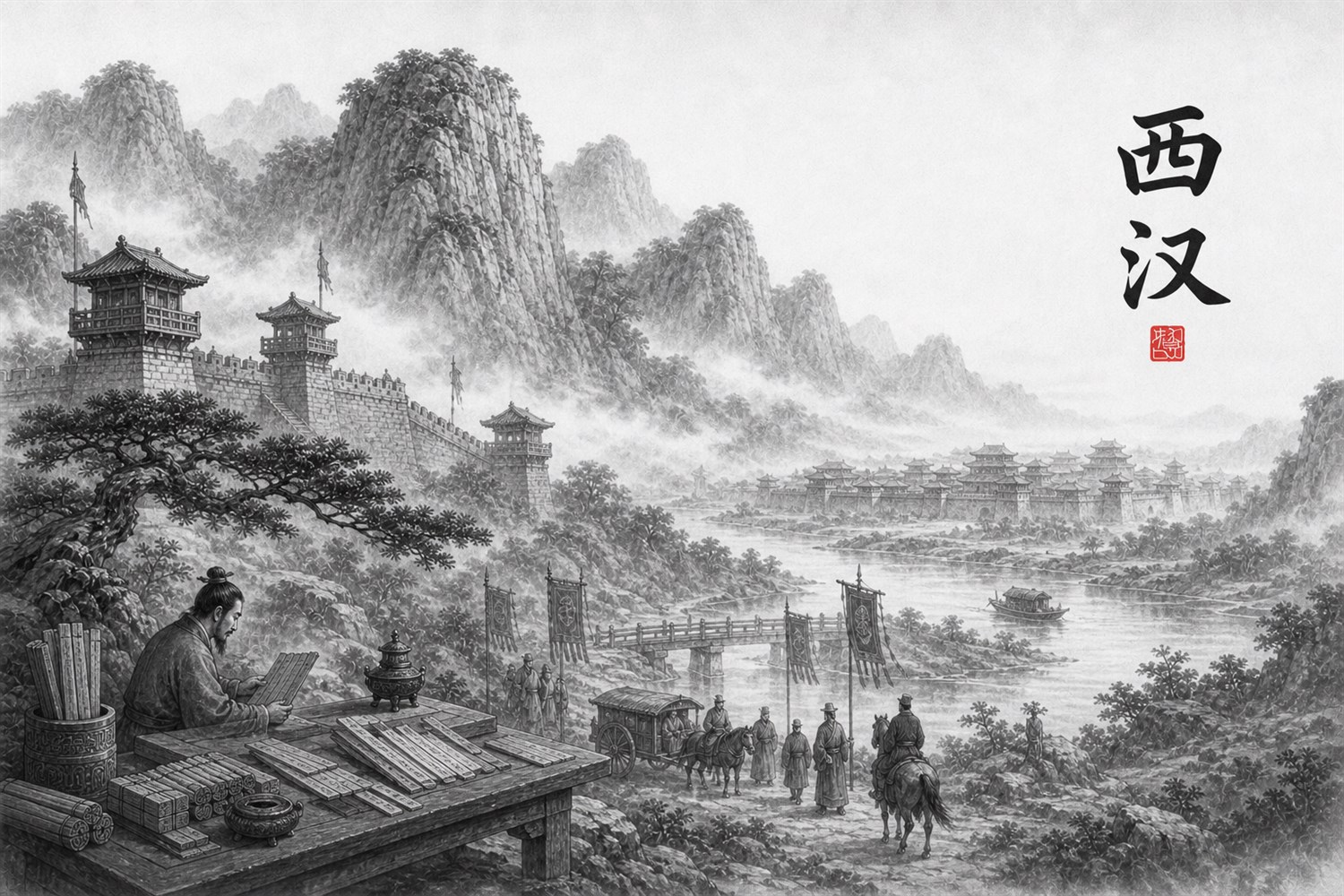
秦朝
Qin Dynasty
221 BCE-206 BCE
After Qin unified the six states, it promoted a shared written standard, and small seal script became an institutionalized form of writing. Its slender, balanced, rounded lines mark a key step from diverse regional scripts toward unified Chinese characters.
More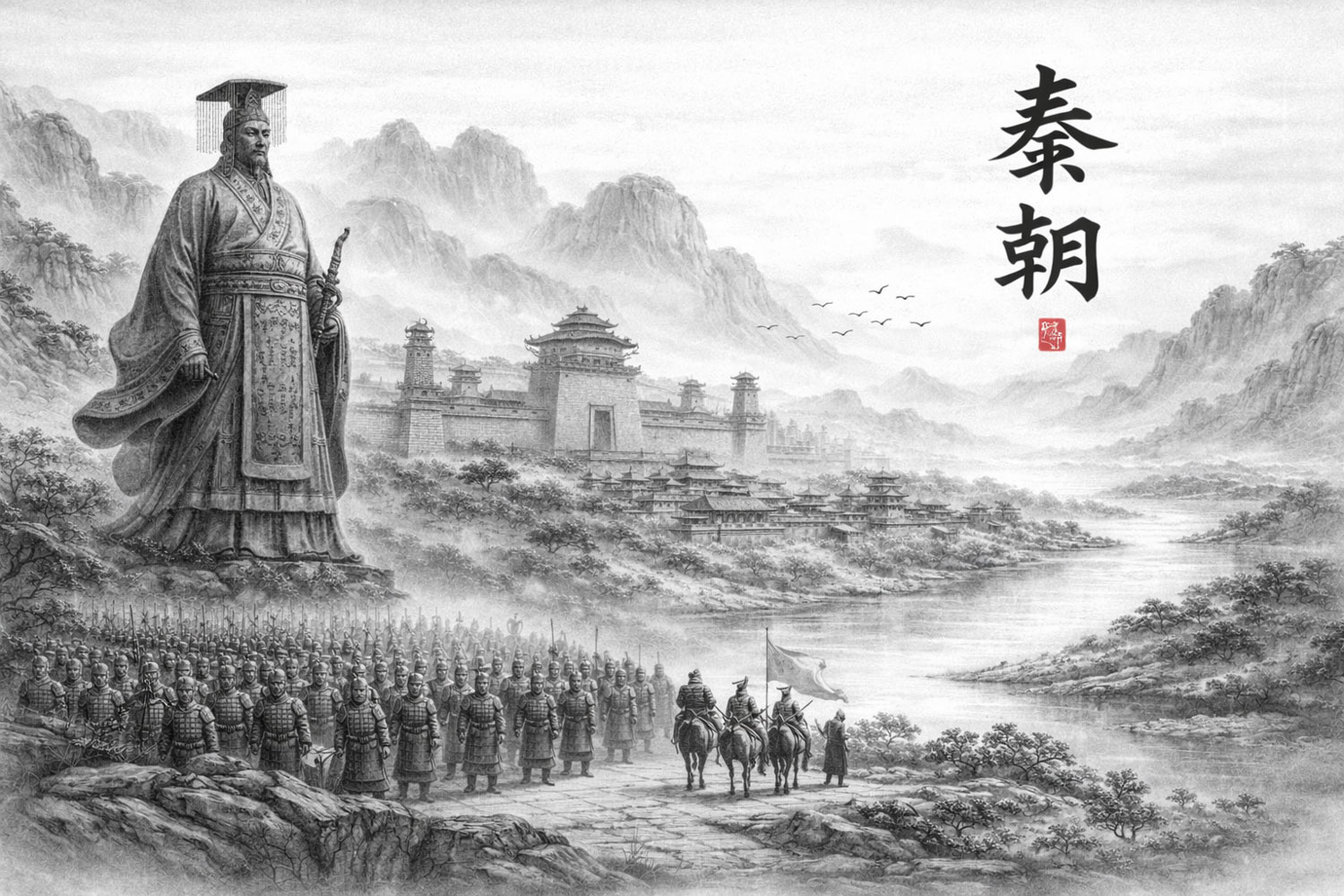
春秋
Spring and Autumn Period
770 BCE-476 BCE
In the Spring and Autumn period, rival states stood side by side and cultures and ideas stirred one another. Writing appeared in richer regional forms, preserving an ancient spirit while showing the movement of a changing age.
More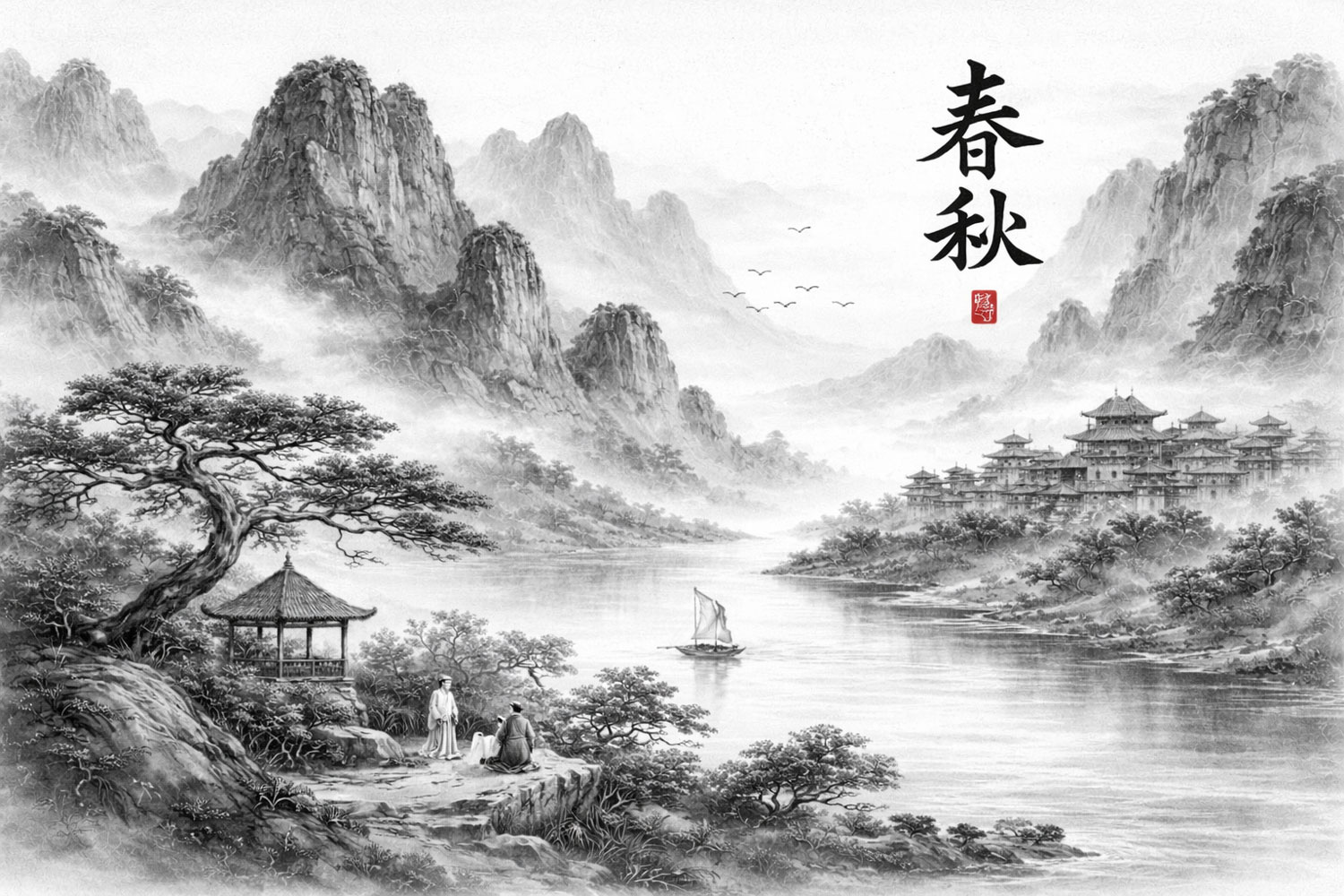
西周
Western Zhou
1046 BCE-771 BCE
During the Western Zhou, rites and music gradually took shape as a governing order, while bronze inscriptions recorded sacrifices, royal commands, and family memory. Writing preserved on solemn ritual vessels reveals the order and atmosphere of early script.
More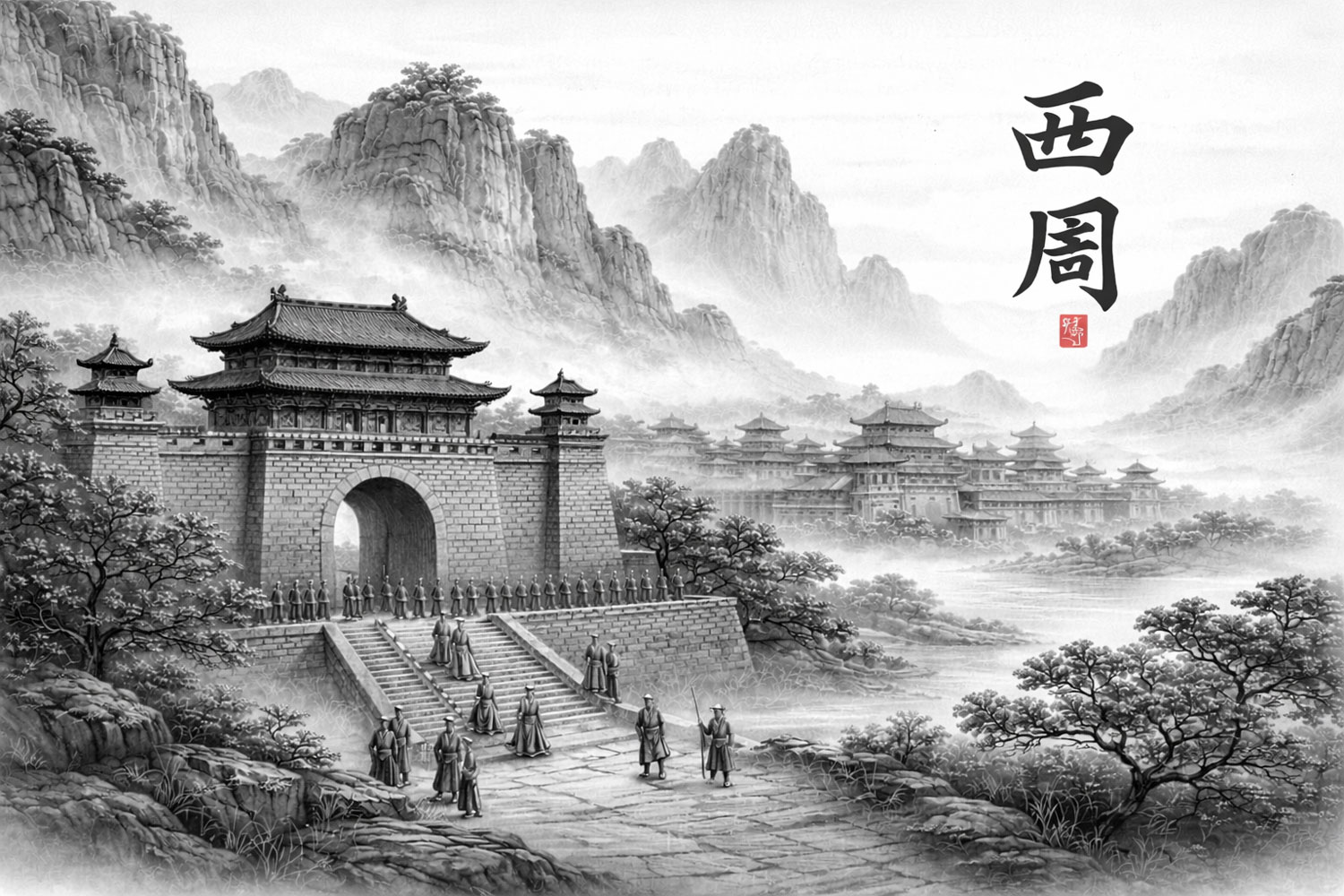
商朝
Shang Dynasty
c. 1600 BCE-1046 BCE
The Shang dynasty preserves early state ritual, divination, and bronze culture through oracle bone and bronze inscriptions. Characters carved into turtle shells, animal bones, and vessels retain some of the earliest clear forms in the history of Chinese writing.
More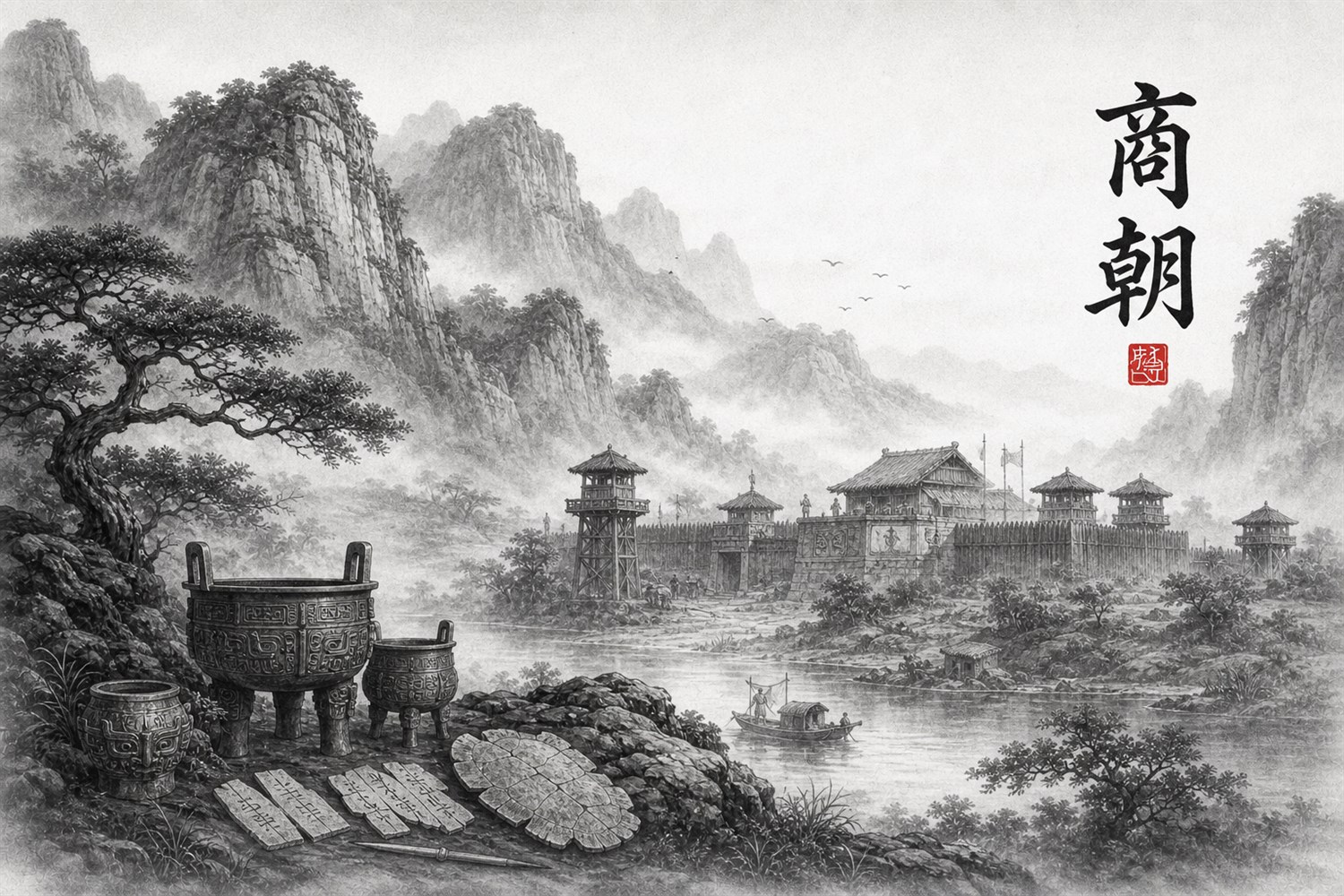
Malaysia Chinese Calligraphy Stone Gallery