Malaysia Chinese Calligraphy Stone Gallery
东汉
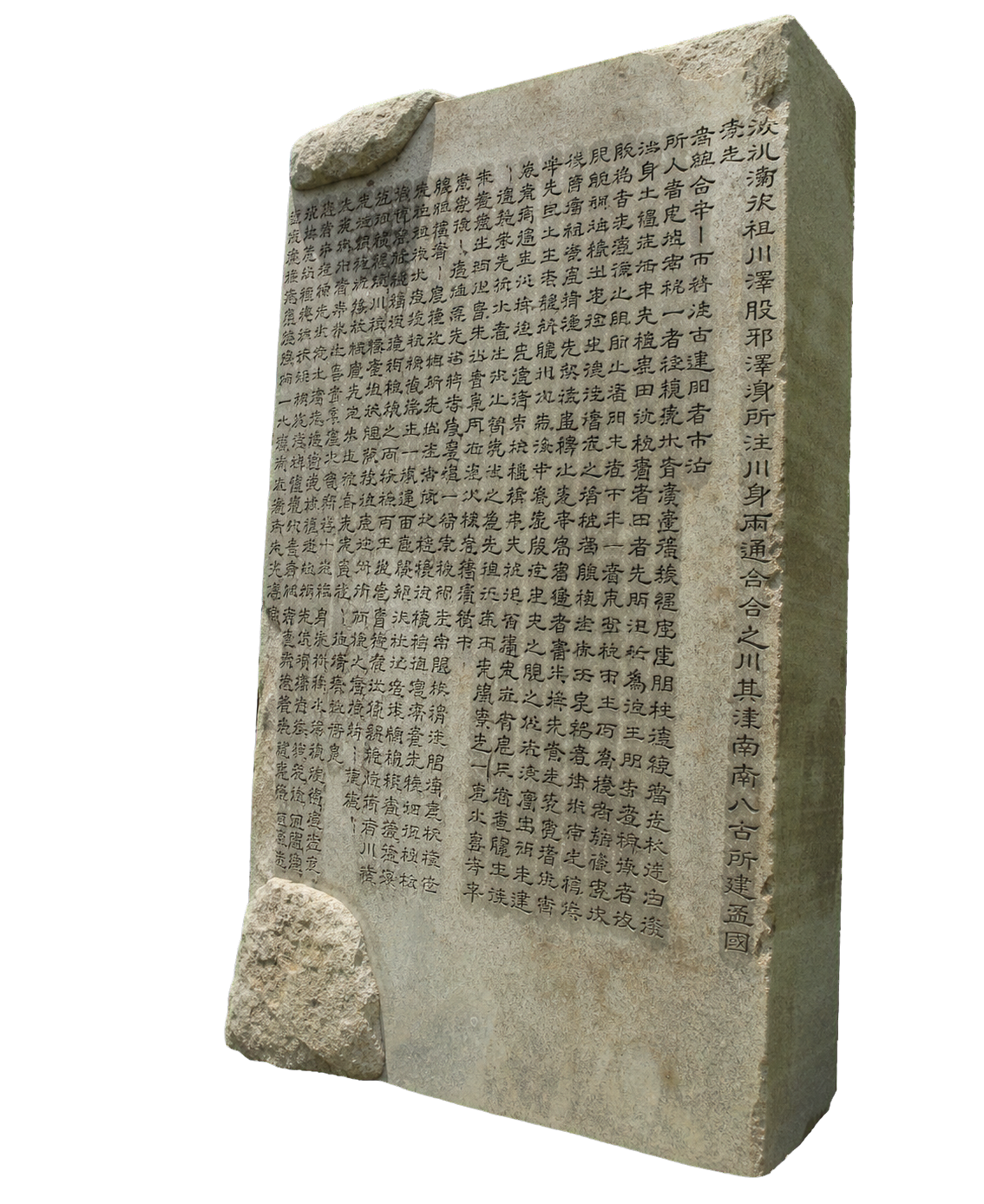
In the Eastern Han, stone inscriptions flourished and mature clerical script left an orderly, rhythmic presence on monuments. These inscriptions served ritual and commemorative purposes and became key models for later study of Han clerical style.
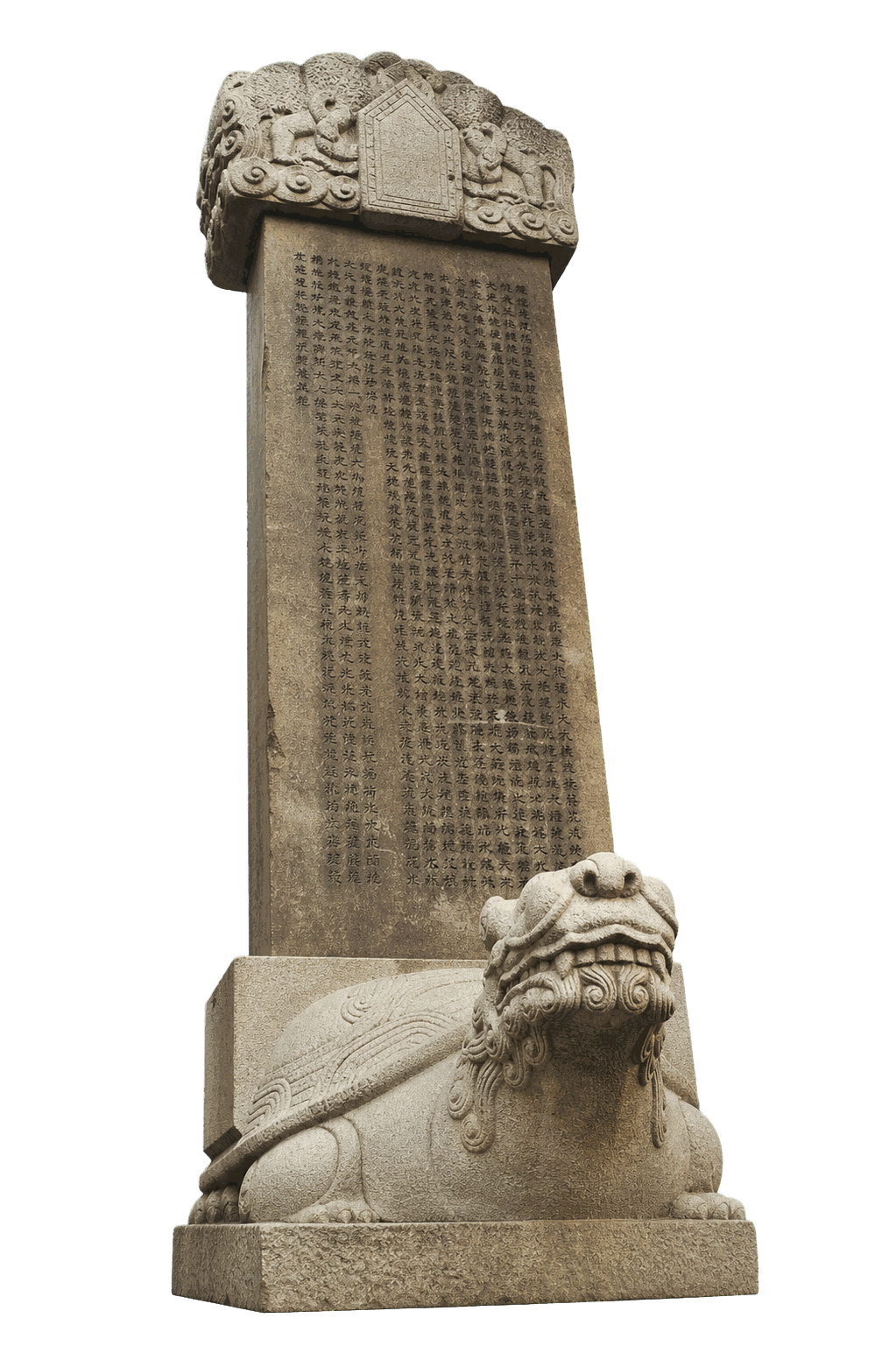
Eastern Han Dynasty
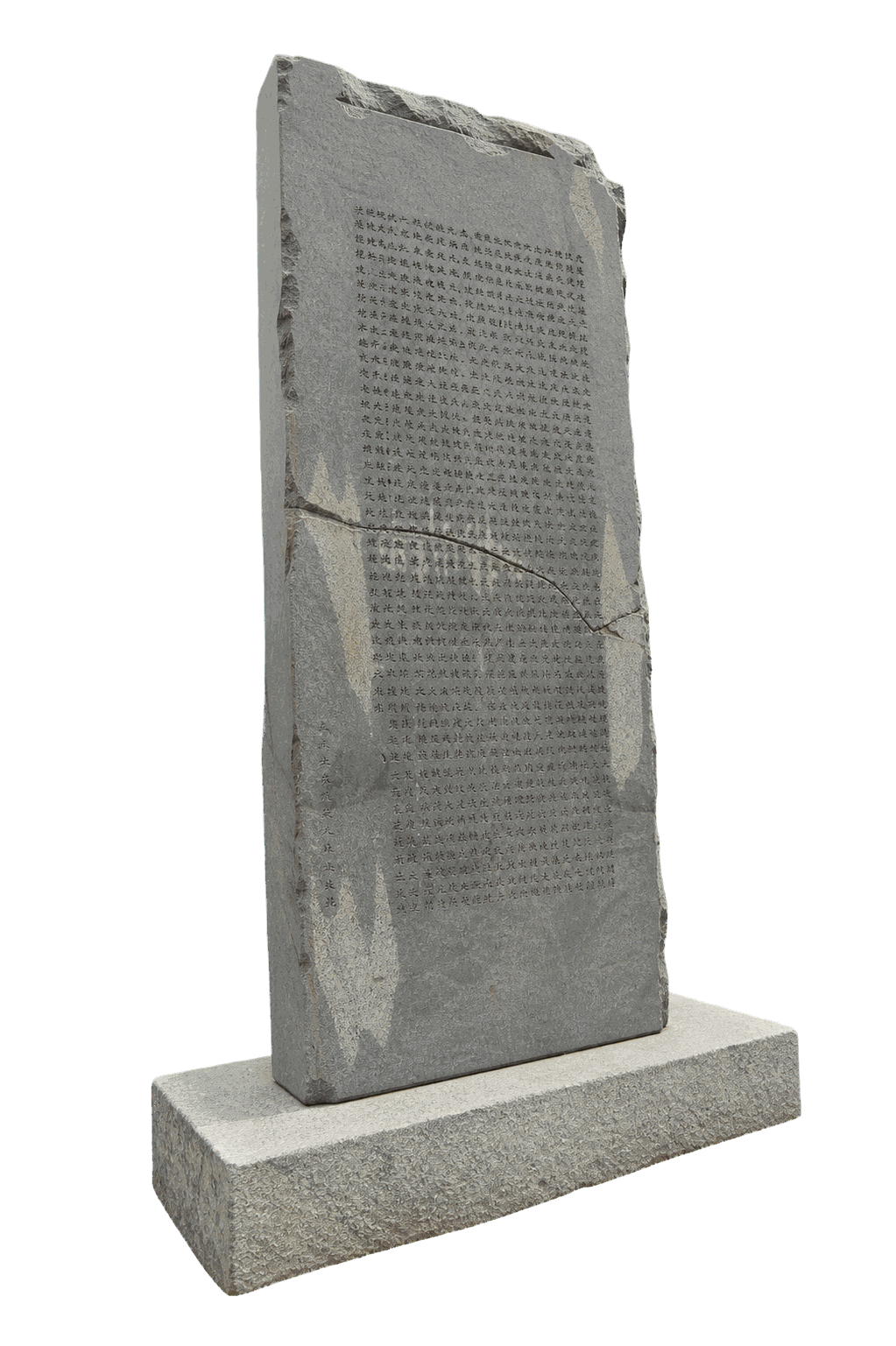
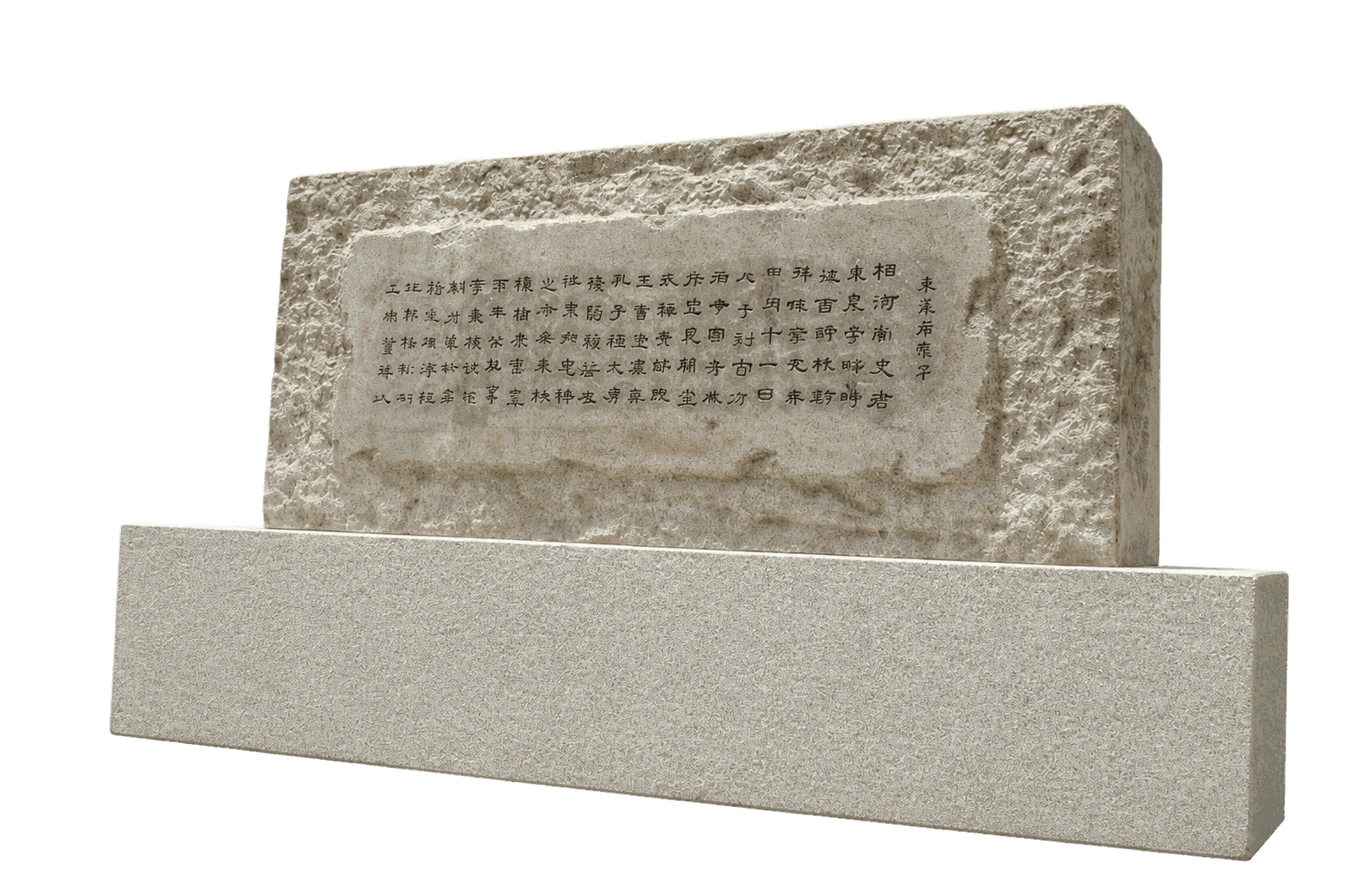
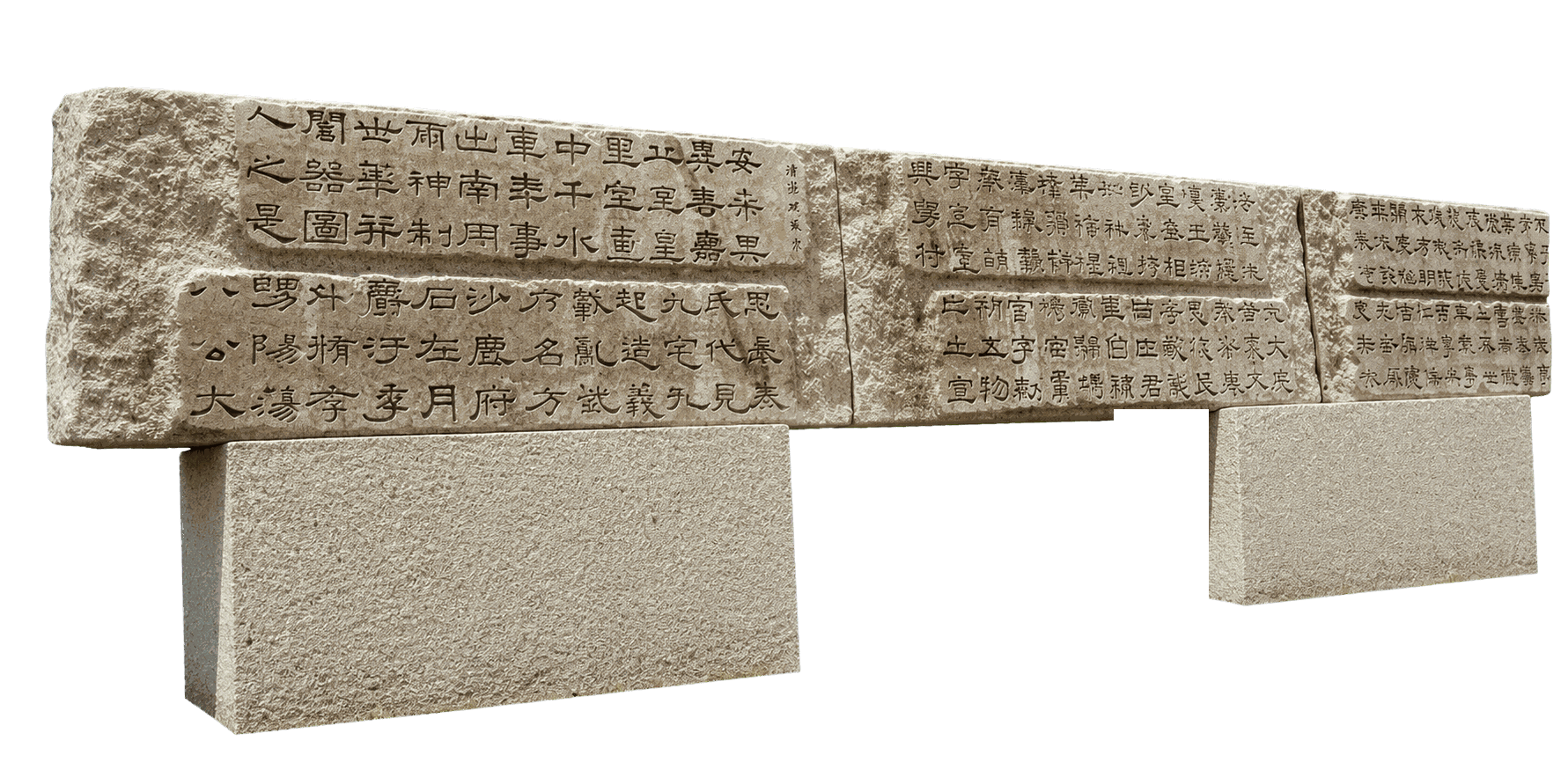
The Zhang Qian Stele, also known as the Zhang Qian Memorial, has a seal-script title reading "Memorial and Eulogy for Lord Zhang, former Gucheng Chief and Dangyin Magistrate of Han." It was carved in Wuyan, in present-day Dongping, Shandong, in the third year of the Zhongping period of Emperor Ling of the Eastern Han dynasty (AD 186), unearthed during the Ming dynasty, and is now preserved in Dai Temple in Tai'an, Shandong. The inscription records Zhang Qian's political achievements. Its characters are square and upright, with clearly defined angular brushwork and a style marked by order, straightness, squareness, and balance.
The Cao Quan Stele was erected in the tenth month of the second year of the Zhongping period of the Eastern Han dynasty (AD 185). It was unearthed in Heyang, Shaanxi during the Ming dynasty and is now preserved in the Xi’an Beilin Museum. The inscription records Cao Quan’s life, achievements, and lineage, and also mentions the Yellow Turban uprising led by Zhang Jiao. Its elegant, graceful style, balanced structure, complete body, and clear characters make it one of the finest works from the peak period of Eastern Han clerical script.
It is believed that the characters on the Shi Chen Stele were written by Cai Yong. The inscription records Shi Chen, prime minister of the State of Lu, honoring Confucius with ceremonial offerings. It was carved in the third month of the second year of the Jianning period of Emperor Ling of the Eastern Han dynasty (AD 166).
The stele was carved in the 2nd year of the Yongshou period during the Eastern Han dynasty (AD 156). The inscriptions record Han Chi, premier of the State of Lu, exhorting his people to refurbish the Confucius Temple and add ritual vessels and offerings. The stele is well preserved in the Confucius Temple in Qufu, Shandong, and is important for the study of clerical script calligraphy.
The stele was erected in the 1st year of Yongxing Period during the reign of Emperor Huan of the Eastern Han dynasty (AD 153). It is now kept in the Confucius Temple in Qufu, Shandong. The inscriptions are about Yi Ying’s request for official approval of ritual arrangements at the Confucius Temple. Yi Ying was the premier of the State of Lu.
The inscriptions are about Wang Sheng, the prefecture chief of Hanzhong in AD61, praising Yang Mengwen for digging the Shih-Men Tunnel. In 1967, the slab with the inscriptions was removed and kept in the Hanzhong City Museum.