话说碑林
About the Gallery
A Record of Malaysia Chinese Calligraphy Stone Gallery
Research Fellow at the Institute of World Religions, Chinese Academy of Social Sciences
Zhao Wenhong
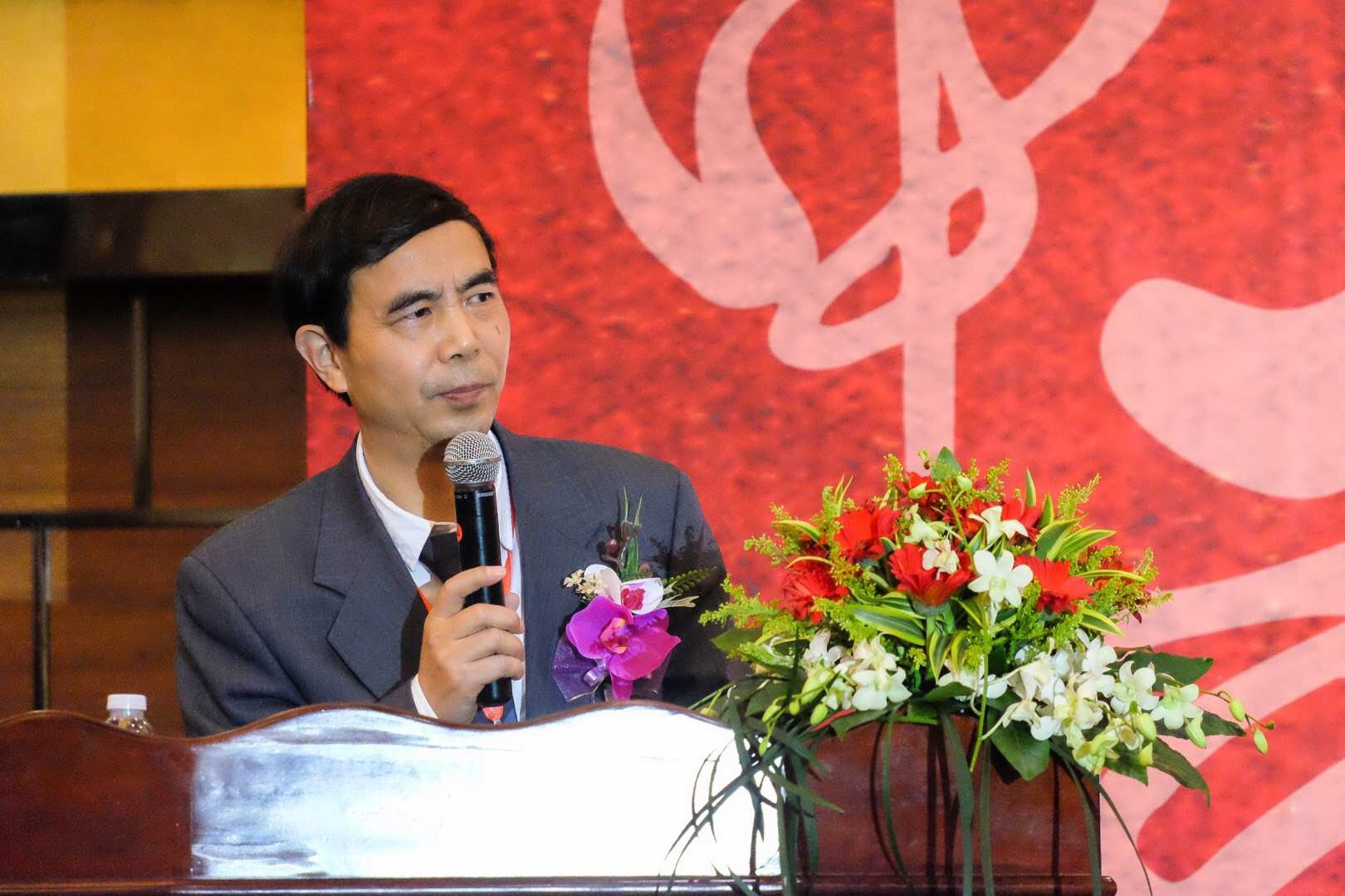
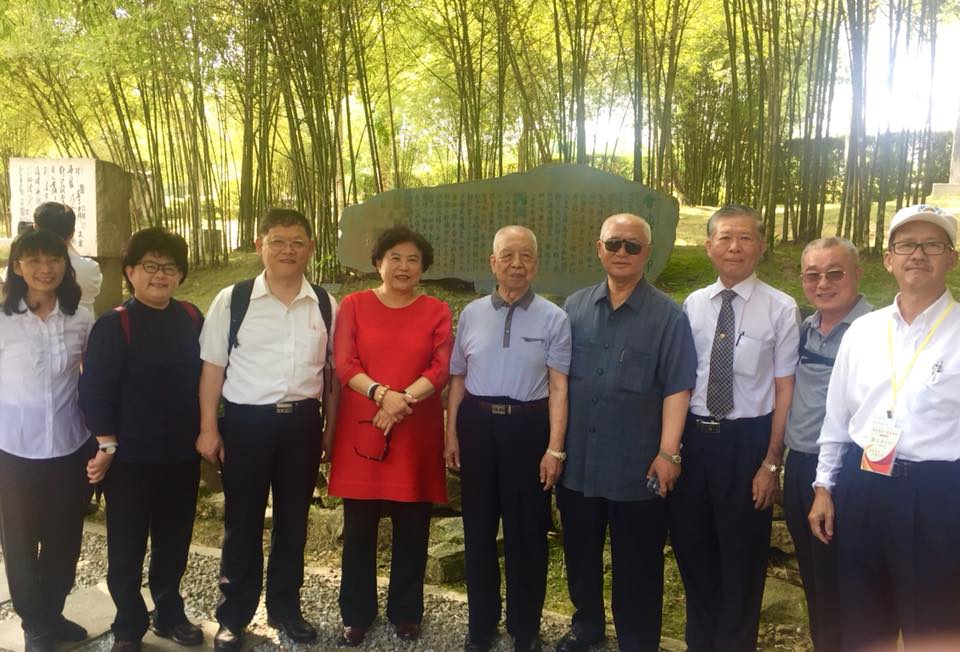
Near Kuala Lumpur, the capital of Malaysia, there is a place with an unmistakably Chinese name: Taoyuan Ancient Town. Across gently rolling hills, tropical trees and grasses remain lush all year round, and flowers bloom endlessly. Scattered through a broad valley is an antique-style Chinese garden covering more than 120 mu. In March 2018, during a visit to Singapore and Malaysia, I came here.
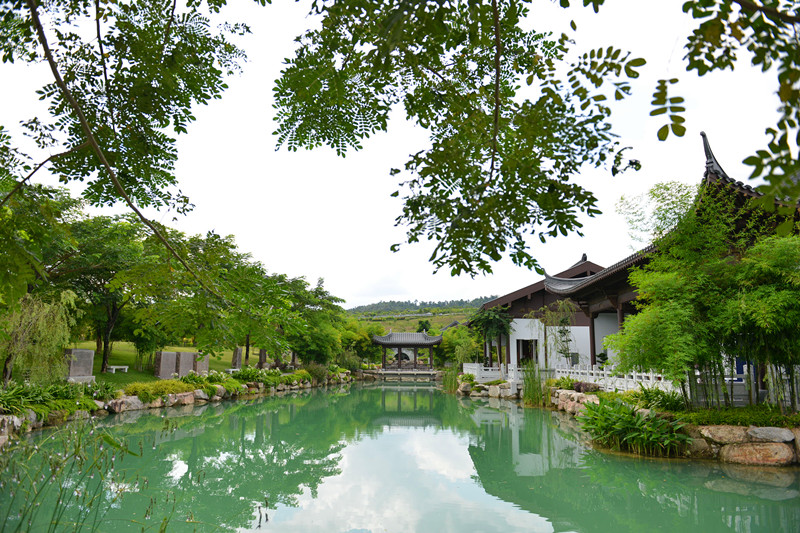
A clear, pure stream flowed quietly among artificial rocks at the foot of the slope. To the left of the stream stood ancient Chinese-style houses with blue-tiled roofs. Chinese couplets on the wooden pillars were full of charm; tea tables were arranged with refined taste; from time to time, people could be seen wielding brushes and splashing ink. The xuan paper shone brightly, and the fragrance of ink filled the air.
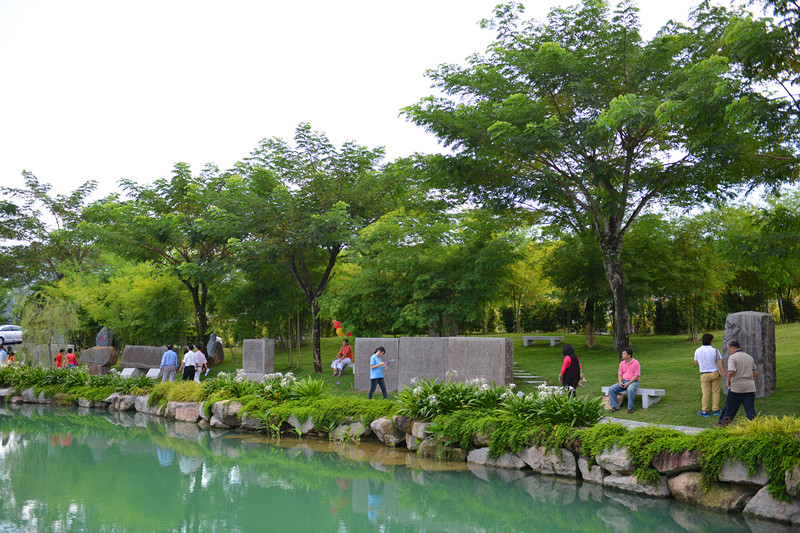
To the right of the stream, among the trees and grass and up the slope, stood the famous Chinese Cultural Stele Forest. This is the only large-scale stele forest outside China devoted mainly to the history of Chinese characters and the history of Chinese calligraphic art. One hundred and sixty-two heavy granite steles are arranged across a sloping area two to three hundred meters long and more than ten meters wide. They are like milestones, leading step by step into the depths of history; they are also like human figures, gazing at one another across time and space, communing silently. The stele forest is filled with a solemn and sacred atmosphere.
This is an exhibition of the history of Chinese writing. Oracle-bone inscriptions from the Shang dynasty, inscriptions from the Western Zhou Da Yu Ding, Qin dynasty inscriptions from Mount Tai and Langya, Li Si’s seal script from the Qin, bamboo-slip writings from Wuwei and Juyan in the Western Han, and more are all displayed on the steles: seal script, clerical script, regular script, running script, and cursive script.
It is also an exhibition of the history of calligraphic art. From the Qin dynasty to the modern era, works by the greatest calligraphers in Chinese history are represented. To name only a few: Wang Xizhi’s Preface to the Orchid Pavilion, Ouyang Xun’s Inscription at the Jiucheng Palace Liquan Spring, Yan Zhenqing’s Draft of a Requiem to My Nephew, Liu Gongquan’s Mysterious Pagoda Stele, Zhang Xu’s Four Ancient Poems, Huaisu’s Autobiography, Cai Xiang’s Self-Written Poems, Su Shi’s Cold Food Observance, Huang Tingjian’s Songfeng Pavilion, Mi Fu’s Yanshan Inscription, Zhao Mengfu’s Poems on Tianguan Mountain: Moon Rock, and Kang Youwei’s running-script couplet.
In addition, there are calligraphic works by modern Chinese figures such as Sun Yat-sen, Mao Zedong, Chiang Kai-shek, Zhang Daqian, and Qi Baishi, as well as works by calligraphers and notable figures from Japan, Korea, and Malaysia.
This is also an exhibition of the thoughts and feelings of earlier generations. Most of the texts carved on the steles either contain their reflections on heaven, earth, and human life, carry their profound feelings for family and country, or reveal information about many aspects of their lives. Like the writing and calligraphy themselves, they are vivid cultural textbooks.
Let me give only two examples. One is Sun Yat-sen’s transcription of the “Great Harmony” chapter from the Book of Rites. This text is permeated with the spirit of universal love and represents the highest social ideal of ancient China. It inspired generations to strive for the realm of Great Harmony. Lin Juemin, one of the Seventy-Two Martyrs of Huanghuagang, wrote in his famous Letter to My Wife: “As the saying goes, the benevolent ‘care for the elderly of others as they care for their own elderly; care for the young of others as they care for their own young.’ I extend my love for you to help all people love those whom they love. That is why I dare to die before you, even though I cannot look after you.”
Another example is the Eulogy for Burying a Crane. More than ten years ago, when I visited the western cliff of Jiaoshan in Zhenjiang, Jiangsu, I saw the place where this cliff inscription had fallen into the Yangtze River. When I first read the text there, I was deeply moved. To hold a burial for a dead crane and write an epitaph for it, expressing profound attachment and grief, vividly reveals the rich and deep feelings ancient people had toward animals and toward life. At that moment I thought of Wang Yangming’s famous Essay on Burying a Traveler. Whether burying a crane or burying a person, the feeling is the same.
Writing is the carrier of culture. Chinese writing, being pictographic, contains the ancient Chinese people’s observation, depiction, imagination, and reflection on heaven, earth, all things, and human life. It is itself a culture rich in meaning. Calligraphy is the expression of ancient Chinese thought and emotion, and indeed the most subtle, profound, and vivid form of expression. The thoughts and emotions contained in essays, poems, lyrics, and couplets written through Chinese characters and calligraphy may flash like lightning, resound like thunder, or enter the heart like spring rain. To use a stele forest of writing and calligraphy to display “Chinese humanistic culture” in such a living and vivid way is undoubtedly a successful idea.
The Chinese Cultural Stele Forest is a large cultural project covering 20 acres, with an investment of tens of millions of Malaysian ringgit. Construction began in 2009 and was largely completed in 2012, taking four years. From the conception and design of the stele forest, to organizing an expert delegation to inspect stele forests in Xi’an and Kaifeng’s Hanyuan, to selecting the steles, purchasing granite blocks from mainland China, precisely reproducing ancient stone monuments, engraving the texts, and arranging the layout of the forest, every task and every detail was handled with extreme seriousness and care. It can truly be described as meticulous.
I examined the stele forest carefully, from the overall design to the details, and could hardly find any flaw in the design, materials, or workmanship. I genuinely felt a devotion like that of religious believers, and a deep affection of the kind found only among people bound together by life and death. Among the many modern stele forests and stone-calligraphy gardens I have seen in mainland China, I have never encountered one so generous in materials or so painstaking in execution. When I think of this, I feel ashamed.
Standing in the stele forest, three questions arose in my mind: Why would Malaysian Chinese, living thousands of miles from China, spend such a large sum to build this Chinese cultural stele forest? Why was their attitude toward its construction so devout? Why did they make it so solemn and sacred?
A look back at the history of Malaysian Chinese may provide the answer.
In Singapore, there is a Nanyang-style residence called Wan Qing Yuan, now the Sun Yat Sen Nanyang Memorial Hall. It was once the Southeast Asian base of the Chinese Revolutionary Alliance. Sun Yat-sen came here many times to plan the revolution with overseas Chinese in Nanyang. In Penang, Malaysia, at 120 Armenian Street, there is the Sun Yat Sen Museum Penang. On November 14, 1910, Sun Yat-sen and his overseas Chinese comrades in Nanyang held a fundraising meeting there to prepare funds for the Huanghuagang Uprising.
While visiting these two places, I learned that among the Seventy-Two Martyrs of Huanghuagang, four were overseas Chinese from Malaysia. I came to understand the enormous contribution made by Nanyang overseas Chinese, including Malaysian Chinese, to the 1911 Revolution: without their support and sacrifice, the revolution could not have succeeded. Sons and daughters of China drifting in Southeast Asia used their lives and property to save their poor, weak, and storm-tossed motherland.
At the Johor Bahru Chinese Heritage Museum and the Federation of Chinese Associations Malaysia in Kuala Lumpur, a Chinese museum then still under construction and not yet open, which I and a group of friends were fortunate to visit as its first audience, I learned about the tragic journeys of early overseas Chinese “coolies” to Nanyang; their indescribable hardship in tin mines, rubber tapping, pepper planting, logging, and dock labor; and their longing for and support of families and hometowns thousands of miles away.
What especially filled me with respect was how Malaysian Chinese enthusiastically raised funds and materials to support China’s War of Resistance against Japan, sending batch after batch of drivers and mechanics back to China to speed along the Burma Road. More than three thousand Nanyang overseas Chinese mechanics went; only three hundred returned. Among the more than two thousand martyrs who shed their blood on the battlefield of the motherland, how many were overseas Chinese from Malaysia?
Tan Kah Kee, the famous Nanyang overseas Chinese leader and renowned national hero of the Chinese people, has bronze statues that add brilliant light to the Johor Bahru Chinese Heritage Museum and the Kuala Lumpur Chinese museum. Before Malaysia’s founding, Singapore and Malaya were one entity. He supported and participated in Sun Yat-sen’s anti-Qing struggle. During the War of Resistance against Japan, he raised huge funds and materials for the motherland, donated vast sums himself, and mobilized many overseas Chinese to return to China to fight. His contributions to education in China and among Nanyang overseas Chinese were also astonishing: Jimei Middle School, Xiamen University, and Singapore Chinese schools are all inseparable from his name. After the founding of the People’s Republic of China, he made important contributions to national economic development, including transportation. Even on his deathbed in 1961, he was still thinking about the cause of Taiwan’s reunification.
At the Guangdong Xinhui Association in Penang, there is a couplet written at an unknown date. In the second line are these words: “Uniting the people of our native place, managing enterprises overseas, cherishing gratitude and repaying the nation, making the old mountains and rivers grander.” The meaning is: we unite our fellow townspeople, come to Nanyang to build careers and accumulate wealth, and with the wish to repay the grace of the motherland, support it. We make the mountains and rivers of the motherland even more majestic and magnificent.
Standing before this sincere and majestic couplet, I was moved to tears. Is there any more moving lesson in patriotism than this couplet hidden among the people and almost unknown? Written by such people, in such a place, at such a time, the winds and clouds themselves must have changed color.
During the journey, a Chinese woman in her fifties told me that when her grandfather’s generation sailed from Fujian to British-ruled Malaya to work in the mines, more than a hundred people were crowded into a dark ship cabin. If someone developed a fever from an infectious disease, the captain would come to look. If he believed the person could not recover and might infect others, he would throw him into the sea. How many of these compatriots, known as “coolies,” were buried in the ocean cannot be counted.
The blazing sunlight and high temperatures of Malaysia, near the equator, are hard for Chinese who have never been there to imagine. My impression in March was that the skin hurt as soon as it touched the sunlight, and one would sweat after standing outside only briefly. Yet the overseas Chinese laborers of those years, even in high summer, had to work more than ten hours a day under the scorching sun, doing heavy physical labor beyond our imagination. Countless compatriots died of exhaustion or disease in that foreign land.
Because most of them were illiterate, they wrote letters to parents thousands of miles away in two ways. One was to take a boat to a place where people specialized in writing family letters for others and pay them to write. In those days in Kuala Lumpur, under the cruel tropical sun, groups of dark, thin Fujian laborers stood year-round in long lines beneath the shade of trees beside a long table where a letter writer sat. The other way was for laborers who knew a few characters to write themselves. When they encountered a character they could not write, they invented a symbol to replace it. A letter would be filled with strange symbols. But the woman told me that their mothers could understand every symbol.
The laborers worked desperately and sent every coin they saved back home. After this woman’s grandfather succeeded in Malaysia, he once returned to his native village in Fujian. When he left, he even took off an outer garment and left it for his younger brothers and sisters.
Tan Kah Kee had a four-character motto: “public spirit, loyalty, perseverance, sincerity.” His explanation of “loyalty” was: “unwavering patriotism.” This explanation was written by all Nanyang overseas Chinese with blood, tears, and life.
What is most painful is that for a hundred years, the motherland and the overseas Chinese suffered together, yet the motherland was simply unable to care for or protect its people in Nanyang. When the motherland suffered under Japanese invasion, Malaysian Chinese suffered the same hardship.
A Malaysian Chinese friend gave me a small religious booklet about her parents, written on October 27, 1999. In the preface introducing her father, there is a passage: “The hardest period of life was none other than the cruel Japanese occupation. Not only were three meals uncertain, but the spirit also suffered torment. The Japanese army nearly killed all the more than one thousand people in that village. His family survived at gunpoint. Once, several Japanese soldiers took turns firing at them with guns. Of four people, two were shot dead, and he nearly lost his life.”
Nanyang overseas Chinese and the motherland depended on each other through suffering. History moved forward with difficulty through storms of blood.
Today, Malaysian Chinese have long had their own motherland: Malaysia. They live harmoniously with Malay, Indian, and other ethnic compatriots in the great Malaysian family. Today, the Malaysian government respects the Chinese community’s inheritance of its ethnic culture. China, too, has long since bid a complete and permanent farewell to the fate of being bullied and trampled after the Opium War, and is moving toward the status of a world power.
Chinese culture still flows in the blood of Malaysian Chinese. Once we understand the history described above, we can understand how deep their feelings for Chinese culture are, and how tenacious their identification with Chinese culture is. This answers the three questions that arose in my mind in the Chinese Cultural Stele Forest.
Identification with, understanding of, and acceptance of culture depend on reason, but even more on feeling, especially feelings condensed through a history of suffering. Such feeling gives us the most precious cultural intuition, pointing directly to the deepest core of culture.
In the Chinese Cultural Stele Forest, there are calligraphic works by figures such as Yue Fei, including the full text of Man Jiang Hong and the four characters “Return My Rivers and Mountains”; Wen Tianxiang, with the Preface to Muji Collection; Lin Zexu, with the Ten Useless Things Stele; and Zuo Zongtang, with a running-script couplet. Anyone familiar with the history of calligraphy knows that they were not famous for calligraphy in the way Wang Xizhi or Yan Zhenqing were. Yet their presence fills the stele forest with the tragic and heroic spirit of Chinese culture. The nobility of their character and the height of their historical status are closely linked with the suffering of the people they protected, and with their own suffering. Profound suffering forges noble character.
From the book Chinese Cultural Stele Forest, edited by the editorial committee of Malaysia Chinese Cultural Stele Forest, which comprehensively introduces the conception and construction of the stele forest, it appears that when the designers selected these heroes, they did not explicitly intend to express the tragic and heroic spirit of Chinese culture. Very likely, they chose them through the most sensitive intuition toward Chinese culture.
At Thean Hou Temple in Kuala Lumpur, the Mazu temple of the Hainanese Association, I heard the broadcast repeatedly playing the tune Su Wu Herding Sheep. I could hardly believe my ears. How many generations of Chinese hearts had been nourished by this tragic and heroic melody?
Dato’ Kong Hon Kong, founder of Nirvana Asia Group and the main investor of the land and funds for the stele forest, wrote in the preface “History Does Not Change, Gratitude Does Not Change” to the album Chinese Cultural Stele Forest: “I dare say that this project of re-carving the steles has not only revived the humanistic attainments of the sages and worthies of the past, but has also re-presented the spiritual face of the Chinese nation. Malaysian Chinese culture originates from China; its ancient source remains fresh through the ages, unchanged as it passes through time and space.” He also wrote: “In the long river of history, the Chinese Cultural Stele Forest has crossed geography and national borders, completing a cultural connection.”
In China today, Chinese culture is moving toward prosperity and revival. I want to tell all compatriots who love Chinese culture: go to Malaysia. Listen to Chinese people who have never been to China speak Mandarin as pure as the voices of announcers on Beijing radio, for Malaysia has the most systematic Chinese-language education outside mainland China. Listen to Chinese people tell stories of their grandfathers and grandmothers, great-grandfathers and great-grandmothers. Listen to Chinese children recite Tang poetry and Song lyrics. Look at Chinese ancestral halls, clan associations, academies, and Buddhist temples built more than a hundred years ago. Visit Chinese history museums. And, of course, above all, go see the Chinese Cultural Stele Forest, which reveals a Chinese cultural attachment as weighty as granite and as solemn as granite.
First draft completed at 9:26 on Friday, April 13, 2018; revised again on April 26; finalized on April 28.
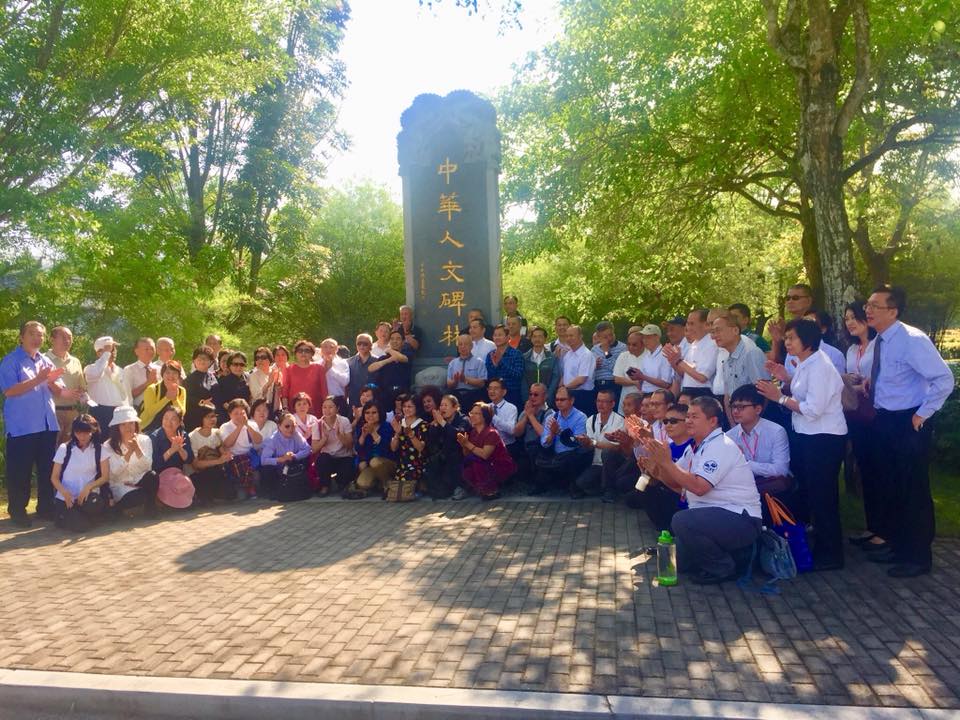
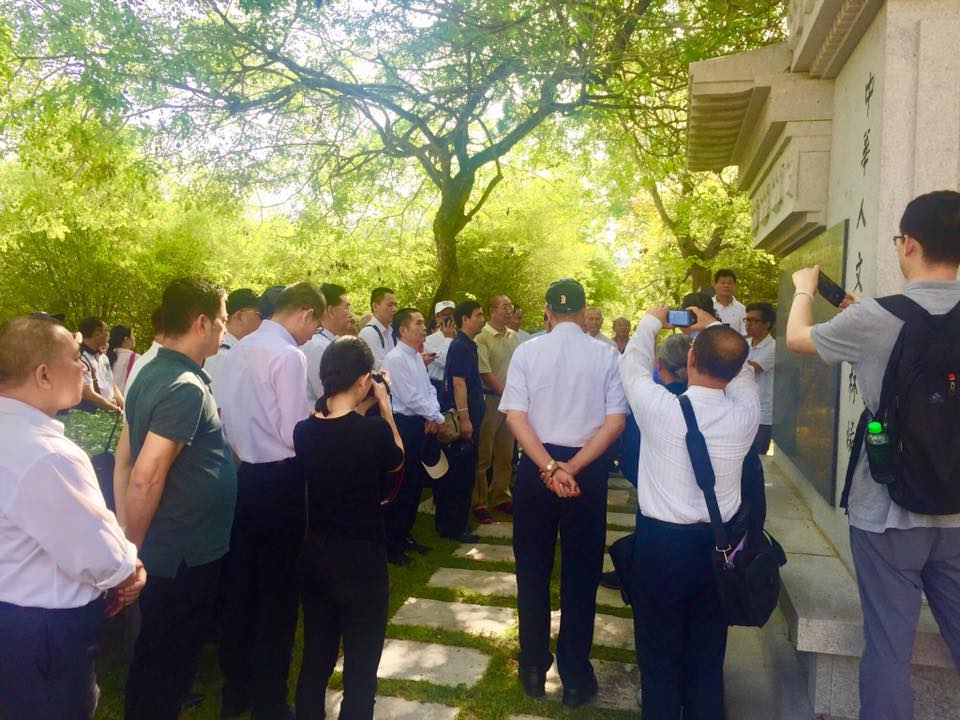
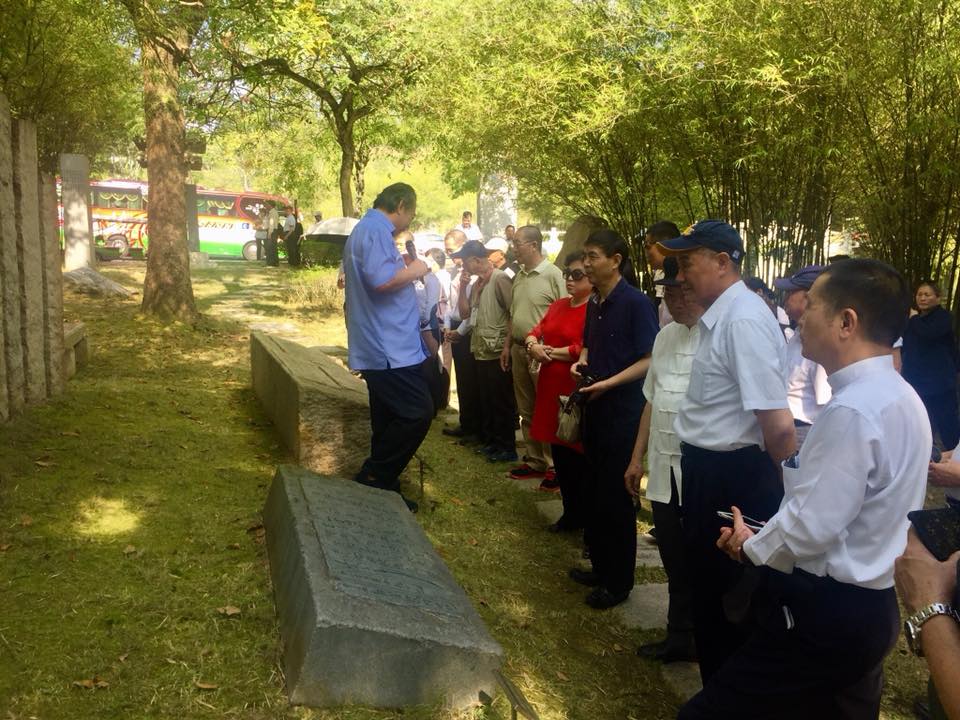
One-Day Camp at the Chinese Calligraphy Stone Gallery
Kindling a Lineage of Incense, Carrying Forward Chinese Culture
The Chinese Cultural Stele Forest One-Day Camp was held on May 5, 2018, at the Chinese Cultural Stele Forest in Nirvana Memorial Garden, Semenyih. The event was organized by the Centre for Cultural Promotion of New Era University College and co-organized by Nirvana Asia Group, attracting as many as 150 students from several secondary schools in Johor.
The purpose of the event was to help young people improve themselves through Chinese culture, promote quality living, and cultivate secondary school students’ interest in Chinese culture. The participating Johor schools included SMK DATO’ SYED ESA, SMK TUN MAMAT, SMK PERMATA JAYA, SMK TUN AMINAH, and SMK TUN SARDON.
The organizers divided participants into six groups named after pioneers of Chinese education: Lim Lian Geok, Sim Mow Yu, Tan Kah Kee, Tan Lark Sye, Lim Fong Seng, and Lee Kong Chian. The camp featured a rich range of activities, including a guided tour of the Chinese Cultural Stele Forest, stories of Chinese education, Hanfu promotion, calligraphy, stele rubbing, martial arts, the Twenty-Four Festive Drums, and Chinese knotting.
Besides allowing campers to learn about the stories and contributions of Chinese education pioneers, the event also introduced them to the folk arts preserved within Chinese culture.
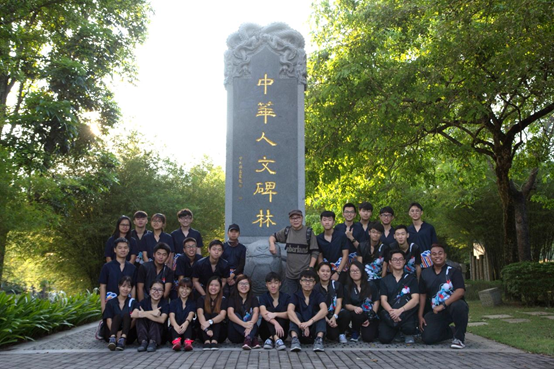
Figure 1: Group Photo
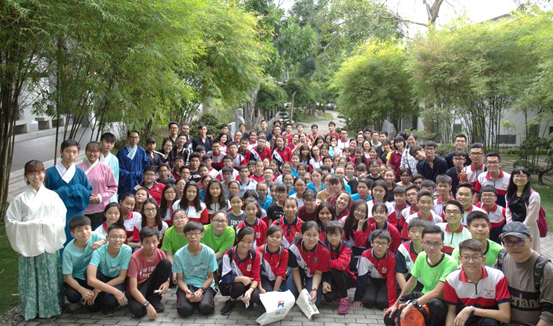
Figure 2: Group Photo of Mr. Yang Jingyao, Director of the Centre for Cultural Promotion at New Era University College, with the New Era Cultural Task Force
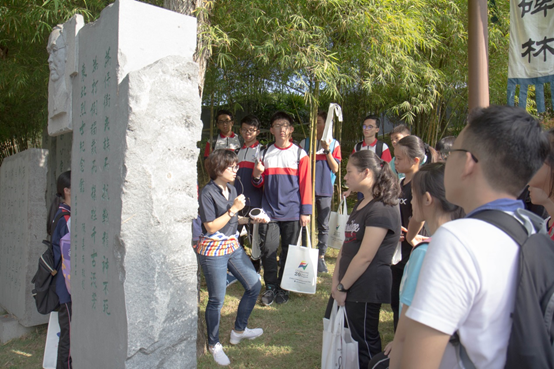
Figure 3: Guided Tour of the Stele Forest
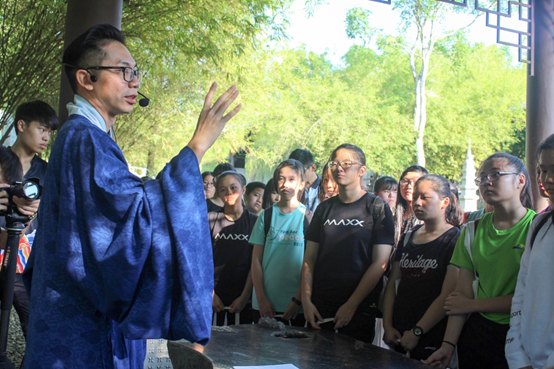
Figure 4: Teacher Li Kaiwan explaining to the students the story of Wang Xizhi’s “Floating Cups on a Winding Stream”
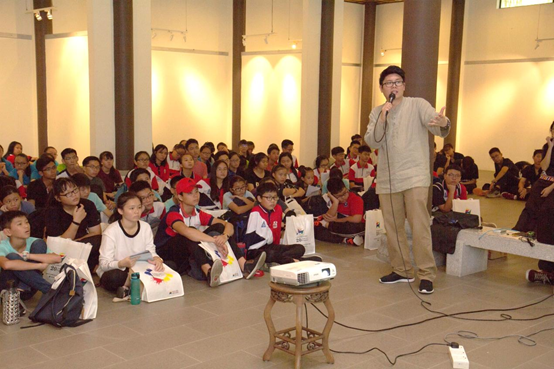
Figure 5: Mr. Ng Chin Sing, Director of the Public Relations Office and International Exchange Office at New Era University College, sharing stories of Chinese education in the Mu Yu Hall.
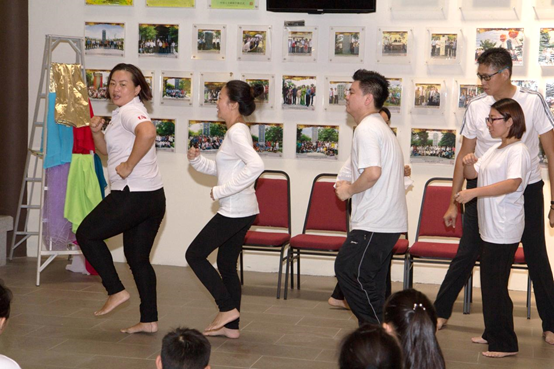
Figure 6: A Playback Theatre performance presented by Malaysia’s Rasa Sayang Playback Theatre troupe.
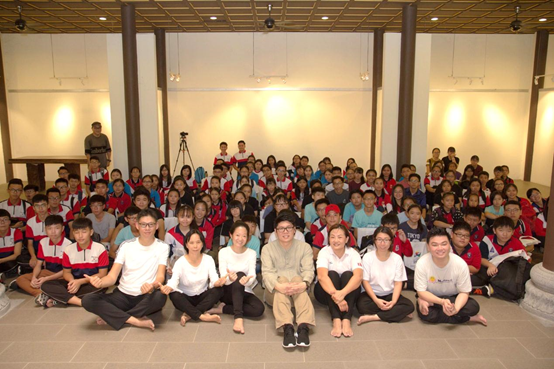
Figure 7: Group photo during the station-based activity.
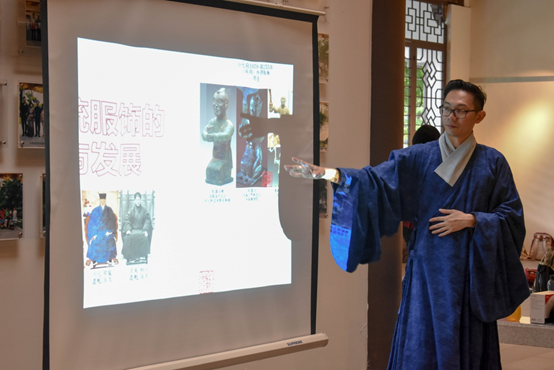
Figure 8: Hanfu session.
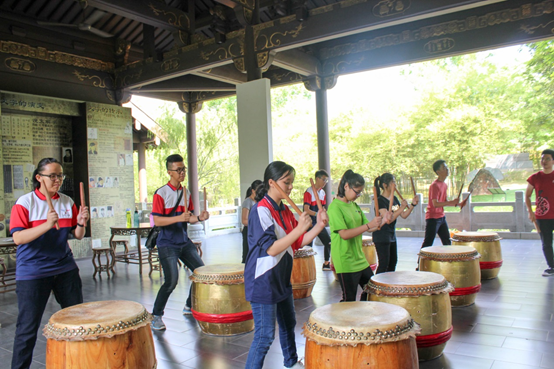
Figure 9: Twenty-Four Festive Drums.
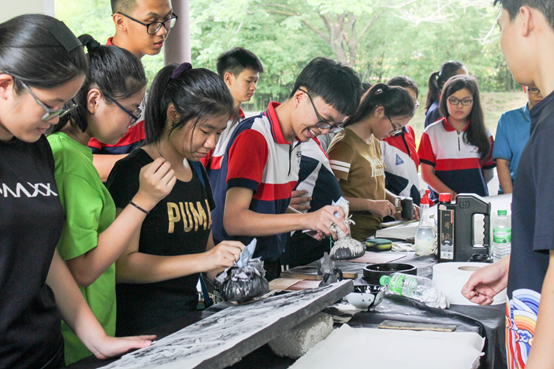
Figure 10: Stele rubbing.
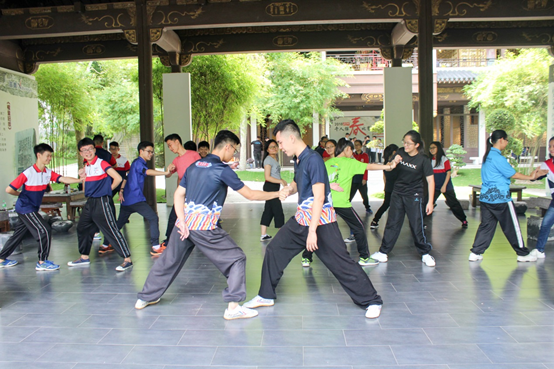
Figure 11: Martial arts.
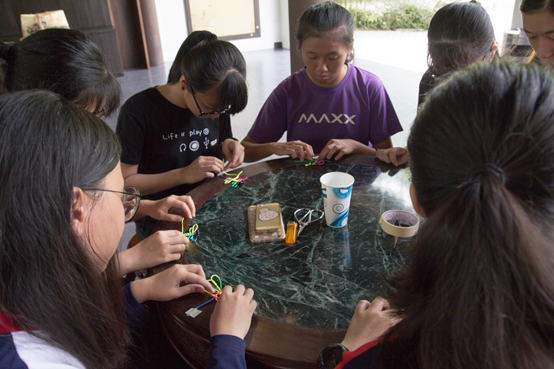
Figure 12: Chinese knotting.
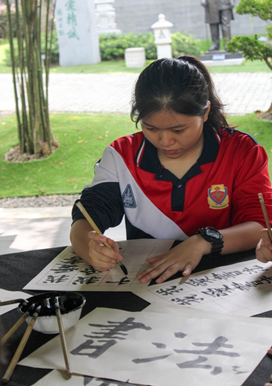
Figure 13: Calligraphy.
Stone Talk
Renowned Chinese calligrapher and theorist
Zhou Junjie
Can stones speak? This is probably a question even a primary school student could answer: how could stones possibly speak? In his poem “Ode to Stone,” the Song dynasty poet Lu You wrote: “If flowers could understand speech, they would be troublesome; stones cannot speak, and are therefore most lovable.” The great poet, too, believed that although stones were “most lovable,” they “cannot speak.”
Yet I believe that throughout human history, stones have not only been able to “speak,” but have possessed the most beautiful, profound, and distinctive language. Have you ever appreciated the charm of Li Si’s Qin dynasty Yishan Stele, or the spirit of the Han dynasty Ritual Vessels Stele, Shimen Song, and Zhang Qian Stele? Have you ever admired the grace of ancient Greek sculptures such as Discobolus, Venus, and the Winged Victory of Samothrace? These masterpieces of Eastern and Western human art all use stone as their material, conveying profound ideas and language of the highest academic and artistic value.
Stone has always been a medium through which people express emotion, record history, and reveal the beauty of art. As we roam through Chinese and foreign art history, we are moved and astonished by many kinds of “stone language.”
If people see numerous stone inscriptions in China, they may take them for granted, because engraved stones bearing Chinese characters number in the thousands. But when we see hundreds of stone inscriptions in Chinese characters in what we usually call Nanyang, that is, Malaysia, we are likely to be surprised, even deeply shaken.
Malaysia, often called “Da Ma” in Chinese, is a beautiful country of brilliant sunshine, clear mountains and waters, and land covered with tropical plants. About 60 kilometers from the capital, among the mountains, a stone forest made up of steles of different shapes and materials has quietly risen over the past three years. They are scattered on a grassy slope beside a small river near a group of classical buildings, varied in height and length, arranged in an elegant irregularity.
At the entrance to the stone forest stands a giant stele, engraved with six golden clerical-script characters written by me: “Chinese Cultural Stele Forest.” More than one hundred steles standing along the river are covered with Chinese characters. Their contents, in sequence, include oracle-bone script, bronze inscriptions, stone-drum script, small seal script, clerical script, running script, cursive script, regular script, and more. They are representative works of calligraphy from different periods of Chinese history.
As you stroll through the stone forest by the river, it is as if you can hear them narrating the splendid history of Chinese civilization and Chinese calligraphy: the vigor of oracle-bone script, the depth of bronze inscriptions, the elegance of small seal script, the simplicity and richness of clerical script, the unrestrained ease of running script, the storm-like energy of cursive script, and the discipline of regular script. These familiar masterpieces of calligraphic history display the wisdom of the Chinese people through their unique artistic language.
They seem to be saying: did not the great ancient civilizations of Babylon, Egypt, India, and the Maya suffer cultural discontinuities because their early writing systems could not develop in step with the wheel of history and social progress? Chinese civilization, by contrast, has continued for thousands of years precisely because of the infinite transformations of Chinese characters and their principles of character formation, closely connected with society. This is the crucial point of pride in the Chinese nation’s major contribution to humanity.
I walked beside the river, savoring each inscribed stone carefully, thinking that such a stele forest might not be rare if built in China, but that it is extraordinarily precious for it to have been built in Nanyang, thousands of kilometers away. It was constructed through the combined efforts of patriotic overseas Chinese, with a huge donation equivalent to 40 million RMB from Dato’ Kong Hon Kong; with design and planning led by Dato’ Hu Ya Qiao, former Deputy Minister of Culture of Malaysia; with guidance from dozens of experts and artists; and with the shared labor of many patriotic overseas Chinese.
I pressed my ears and cheeks against each inscribed stone. It was as if I could hear the lifeblood of Chinese culture flowing, and could feel the beating of the ardent hearts of Malaysian Chinese. I felt that these stones could speak, that they had their own special language. They seemed to be telling me of their intense feelings for the motherland, a poetic language of the heart that entered straight into the lungs and bowels. I could not help shedding tears, letting them flow without wiping them away.
And so, facing those world-renowned masterpieces already long familiar to me by heart, I lingered for several hours, until I left by car, until I returned to the hotel, until I picked up this pen and wrote the two characters “Stone Language.” That weighty and beautiful language of stone still lingered by my ears, lingering and lingering…
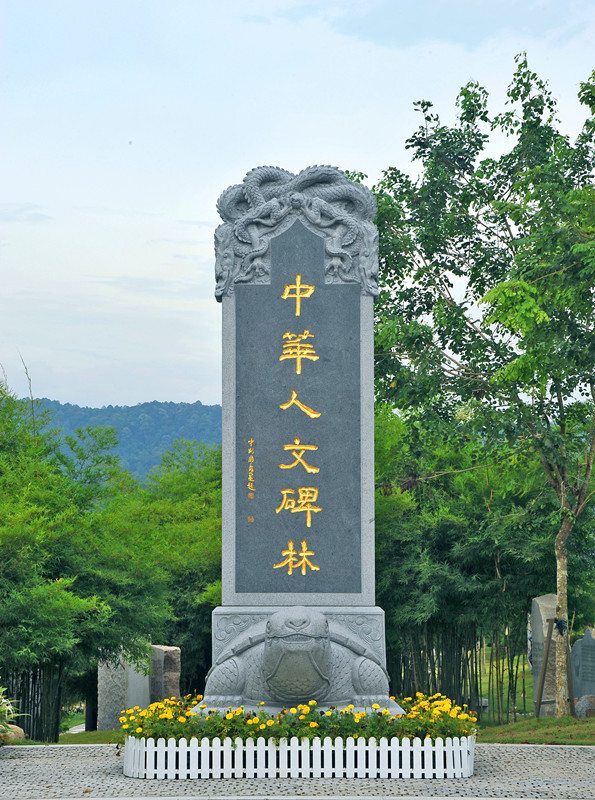
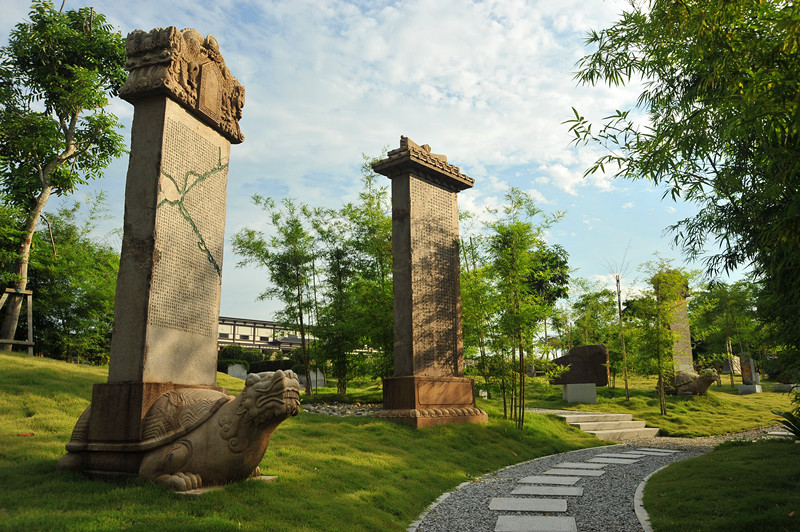
Malaysia Chinese Calligraphy Stone Gallery