Malaysia Chinese Calligraphy Stone Gallery

马来西亚
中华人文碑林

Home
About
ForewordCommitteeDiscover BeilinEvolution of Chinese CharactersCalligraphy AppreciationVisitor Feedback
GalleryDynastyEvents & DownloadsContact UsReservation
English
简体中文
English
繁體中文
日本語

西周

Western Zhou

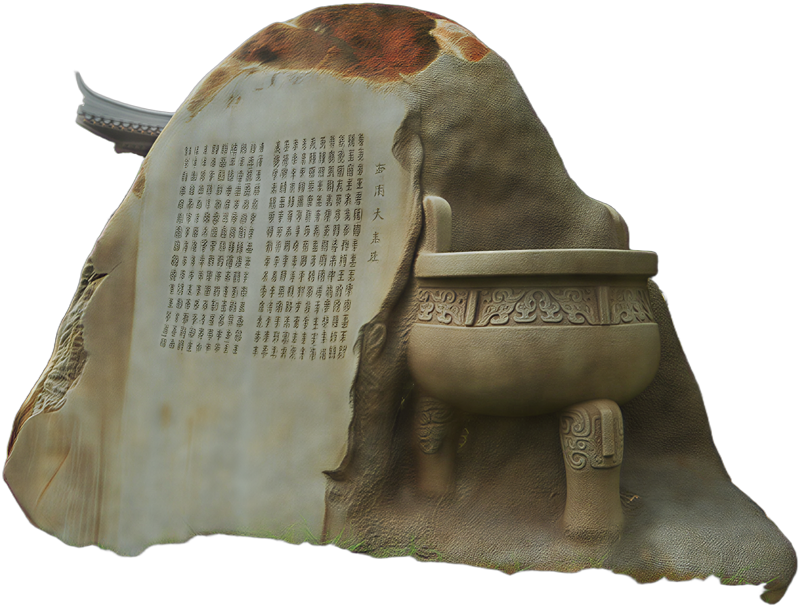
During the Western Zhou, rites and music gradually took shape as a governing order, while bronze inscriptions recorded sacrifices, royal commands, and family memory. Writing preserved on solemn ritual vessels reveals the order and atmosphere of early script.
Shang Dynasty
Western Zhou
Spring and Autumn Period
Qin Dynasty
Western Han Dynasty
Eastern Han Dynasty
Three Kingdoms Period
Eastern Jin Dynasty
Northern and Southern Dynasties
Sui Dynasty
Tang Dynasty
Northern Song Dynasty
Southern Song Dynasty
Yuan Dynasty
Ming Dynasty
Qing Dynasty
Modern Era
Showing items
1
to
12
of
136

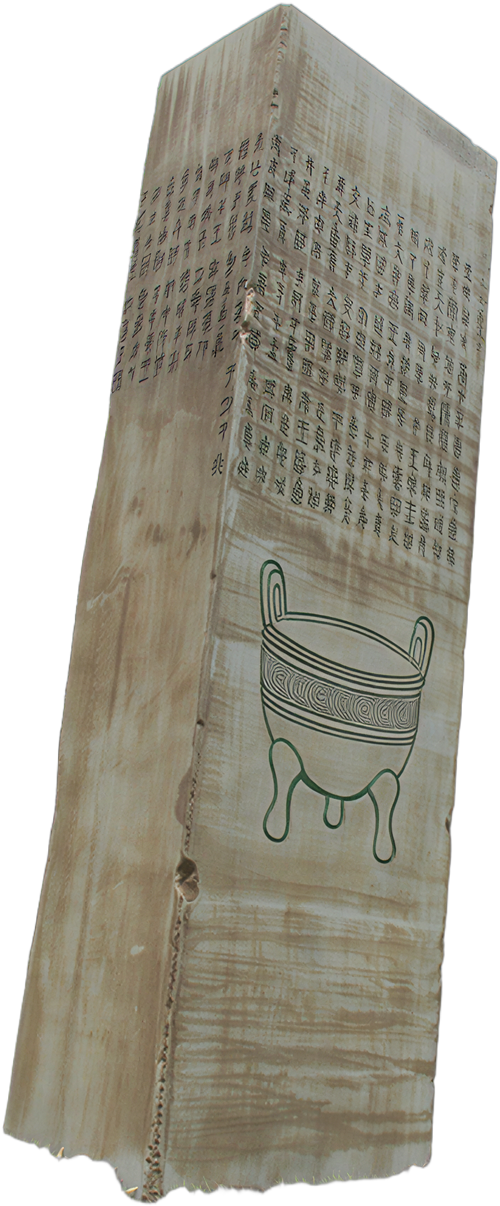
Western Zhou

Duke Mao`s Cauldron (excerpt)

This bronze vessel has the longest inscription among those that have been discovered. It was excavated in Qishan, Shaanxi during the Daoguang Period, Qing Dynasty and it is now kept in the National Palace Museum in Taiwan. The inscriptions are about political affairs that King Xuan of Zhou entrusted Duke Mao to conduct

Western Zhou

The Yu Cauldron

The Yu Cauldron, which is kept in the National Museum of China, is a bronze ceremonial vessel of the Western Zhou period. It was unearthed in Meixian, Shannxi during the Daoguang Period, Qing Dynasty. The inscriptions are about King Kang’s narration of the founding of the Zhou Kingdom and the fall of the Shang Dynasty. The writing is highly artistic and it is the model of Bronze Inscription.

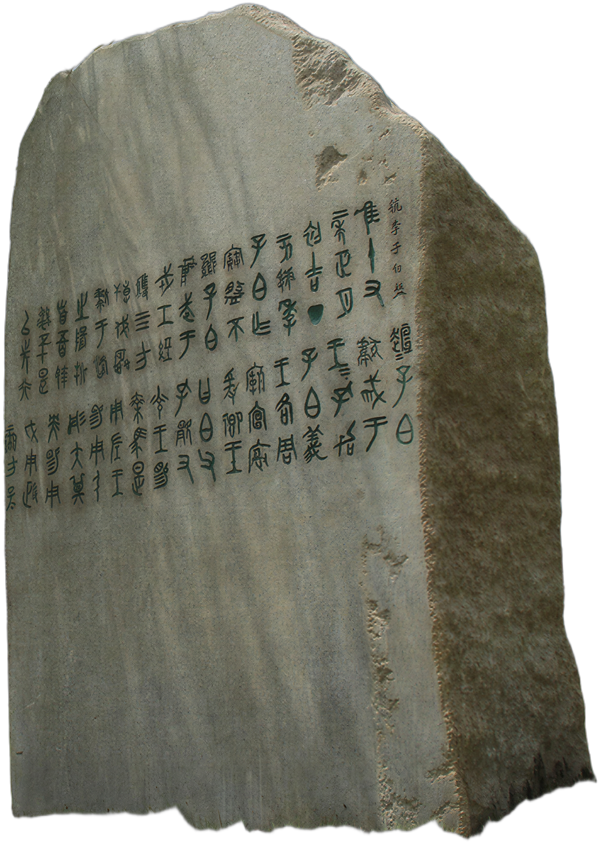
Western Zhou

Guojizibo Basin

This inscription typifies bronze script calligraphy. The basin, which was excavated in Baoji, Shaanxi during the Daoguang Period, Qing Dynasty, is now kept in the National Museum of China. The basin was made to commemorate Guojizibo’s victory in a battle.

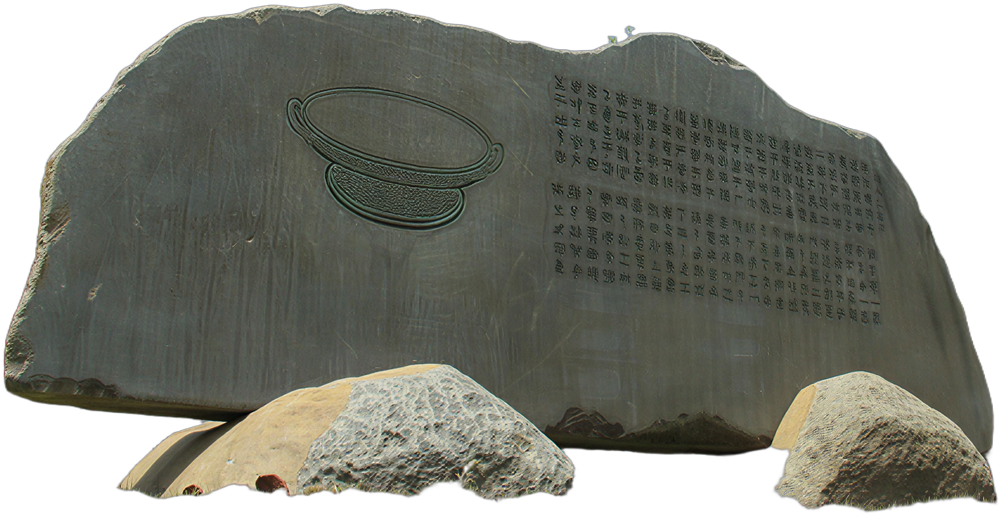
Western Zhou

San-Shi Treaty Pan (excerpt)

San-Shi Treaty Pan was unearthed in Fengxiang, Shaanxi during the Qianlong Period, Qing Dynasty, and it is now kept in the National Palace Museum in Taiwan. A peace treaty is inscribed on it. These characters are square in shape, while the mainstream calligraphic style of that period was in favour of narrow and rectangular-shaped characters.

Text Link

Malaysia Chinese Calligraphy Stone Gallery

马来西亚
中华人文碑林

Find your peace within the words, and take its echo with you.

Copyright © 2025 中华人文碑林. All Rights Reserved.