Malaysia Chinese Calligraphy Stone Gallery
东晋
Eastern Jin elite culture flourished, and calligraphy moved from practical writing toward a highly self-aware art. The elegance of running and cursive scripts, shaped by masters such as Wang Xizhi, established the admired spirit of Wei-Jin style.
Eastern Jin Dynasty
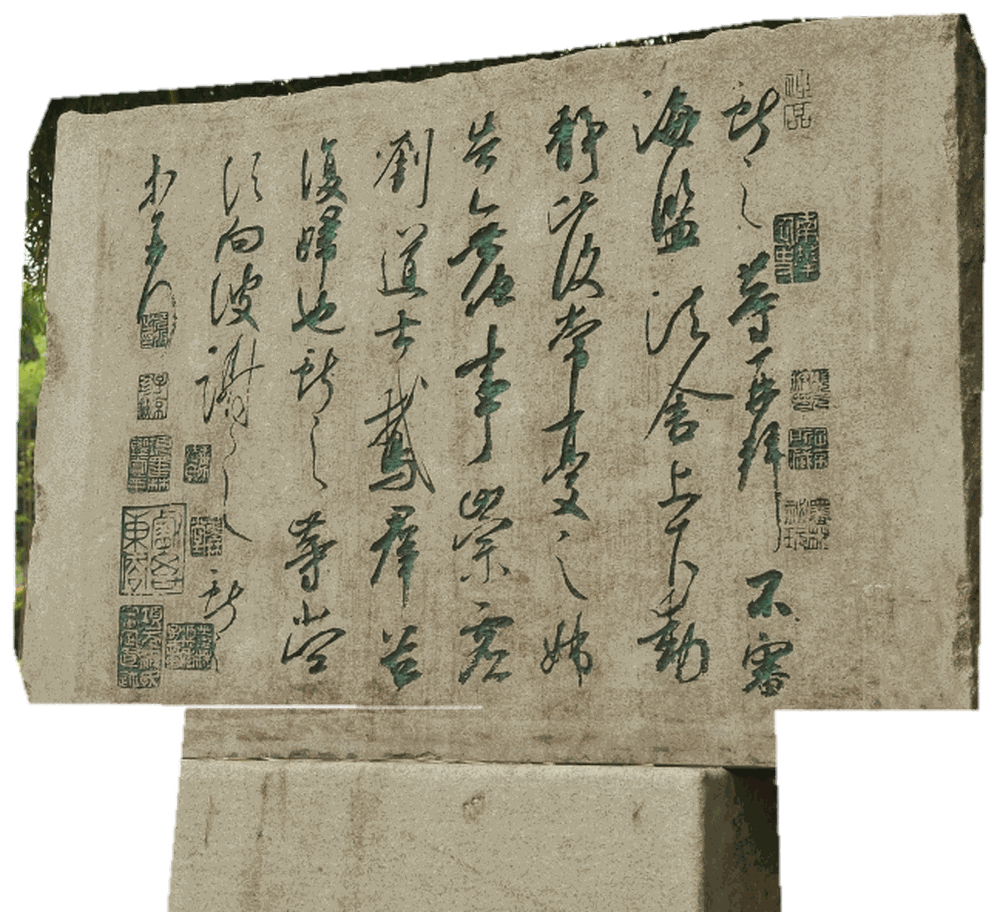
The E Qun Tie is traditionally attributed to Wang Xianzhi. The original work has not survived, and the versions known today are Tang and Song dynasty copies. Some accounts identify it as a copy by Mi Fu, while others suggest it was a later Southern Dynasties fabrication inspired by the story of Wang Xizhi writing the Dao De Jing in exchange for geese. Studies also regard the Chunhua Ge Tie version of E Qun Tie as a forgery. Its calligraphy is described as forceful and unrestrained, lacking the refined spirit usually associated with Jin dynasty writing. Even so, because E Qun Tie is so beautifully written, questions of authenticity have not stopped it from being passed down through the generations.
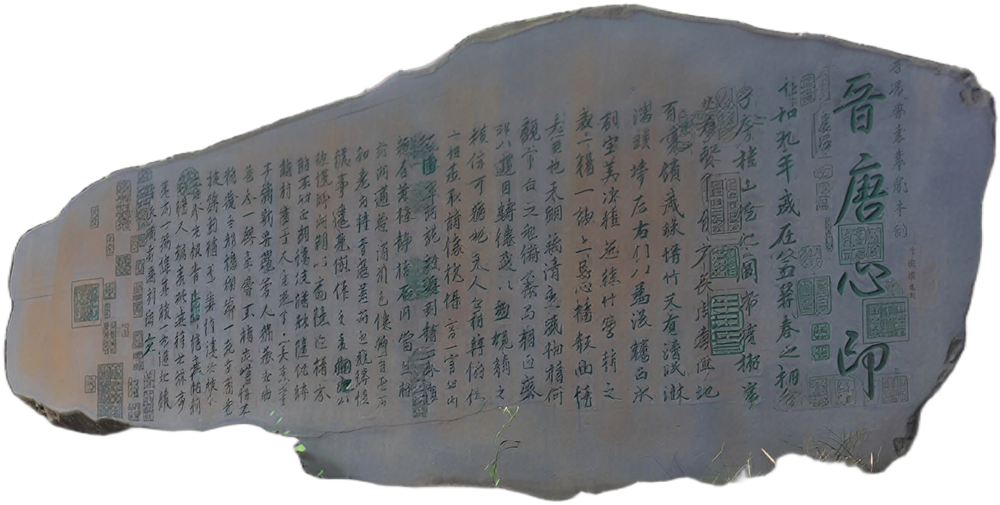
The Preface to the Orchid Pavilion was written in the ninth year of the Yonghe era (AD 353). It is traditionally said to have been composed spontaneously by Wang Xizhi as a preface during a spring purification gathering of literati with poetry and wine. Later generations described Wang Xizhi's calligraphy as "graceful as a startled swan, lithe as a wandering dragon," and honored him as the Sage of Calligraphy. The Preface to the Orchid Pavilion is a treasure of calligraphy, known as the finest running script under heaven, and has been admired and copied by calligraphers through the ages. The surviving Shenlong copy of Wang Xizhi's Preface to the Orchid Pavilion has generally been called the Feng Chengsu traced copy since Guo Tianxi of the Yuan dynasty. The Orchid Pavilion is located in present-day Shaoxing, Zhejiang.
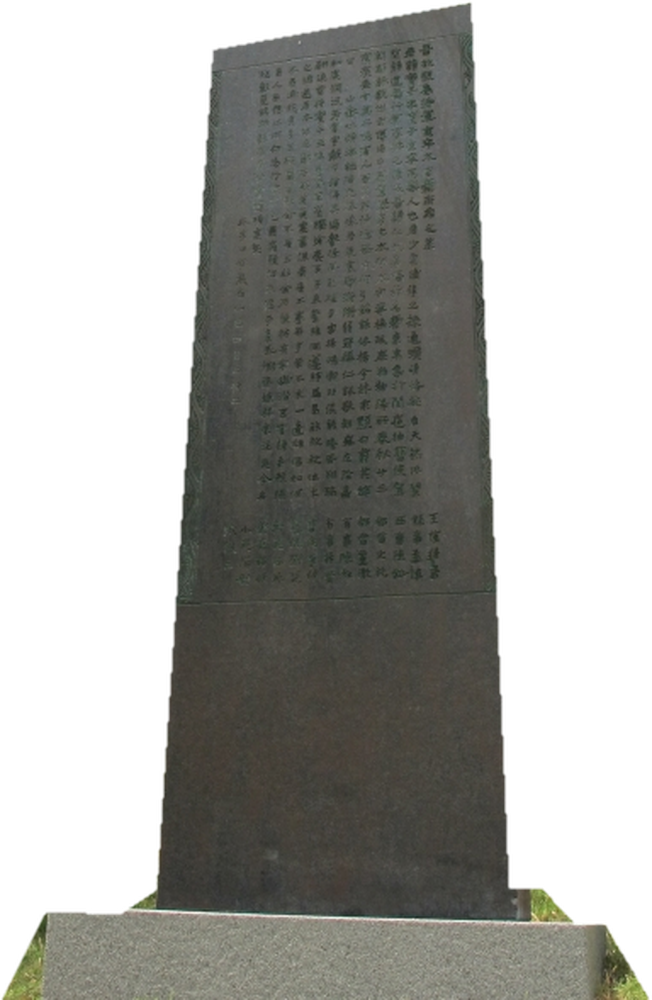
The Cuan Baozi Stele is written in regular script. Its original dimensions are 183 cm high and 68 cm wide.