Malaysia Chinese Calligraphy Stone Gallery
Curated Collection
Let these collections be more than a display—let them be a wandering, a quiet gaze. Here, every stroke is a whisper of time, leading you into the boundless river of the written word.
Regular script
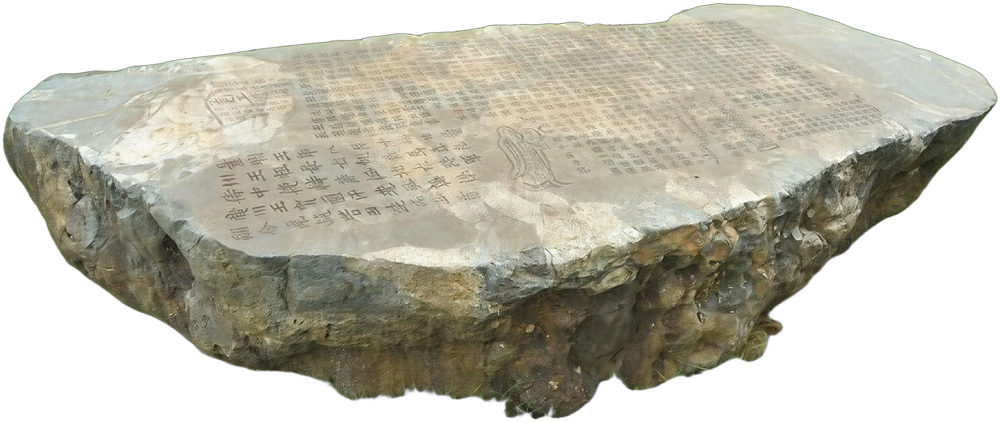
Longmen Sculptural Inscriptions refers to selected Northern Wei-period inscriptions from the Longmen Grottoes in Luoyang. There are twenty inscriptions in total, known as the “Twenty Longmen Inscriptions”, and they are representative works of Wei stele calligraphy. Their style is strong, square, vigorous, and full of variation, offering a vivid view of Northern Wei calligraphic style. As refined examples of Northern Wei calligraphic art and representative works of the Wei stele style, they have long been highly valued. The Twenty Longmen Inscriptions inherited traditions from the Han and Jin dynasties and helped shape the calligraphy of the Sui and Tang dynasties. They became an important stage in the history of Chinese calligraphy, forming a distinctive artistic expression with clear period character and aesthetic force. In the Qing dynasty, Kang Youwei and others strongly advocated the study of Northern steles, a view that deeply influenced the literary and artistic world and pushed the study of Wei stele calligraphy to a new height.
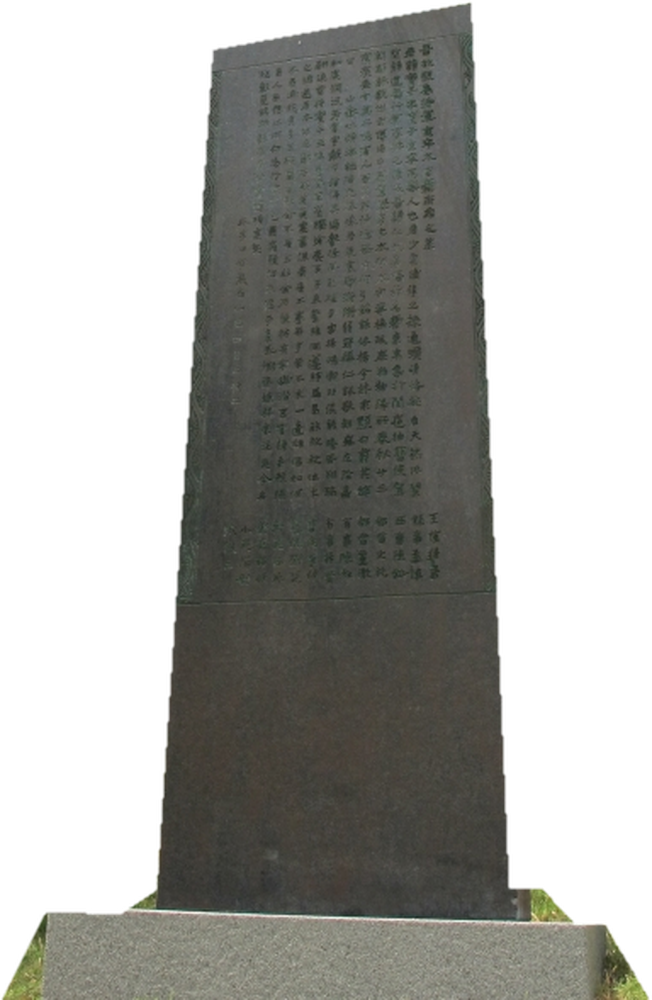
The Cuan Baozi Stele is written in regular script. Its original dimensions are 183 cm high and 68 cm wide.
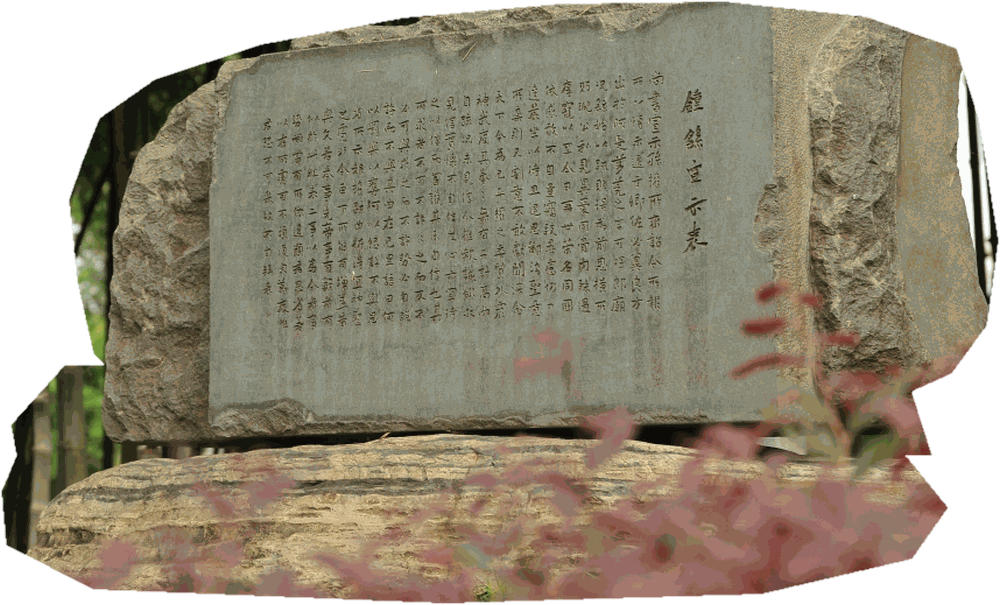
The Xuan Shi Biao is traditionally attributed to Zhong Yao. It is a memorial written by Zhong Yao, a minister, to Emperor Wen of Wei, Cao Pi, and was later included in model-calligraphy collections such as the Chunhua and Daguan tie. Its script is dignified, plain, and rigorously structured, with natural brush movement. It opened a new form between clerical script and regular script, and is regarded as an ancestor of regular script.