Malaysia Chinese Calligraphy Stone Gallery
Curated Collection
让典藏不只是一种展示,也成为一种漫游与凝视。在这里,每一道刻痕都是时间的低语,带您走入汉字演变的浩瀚长河。
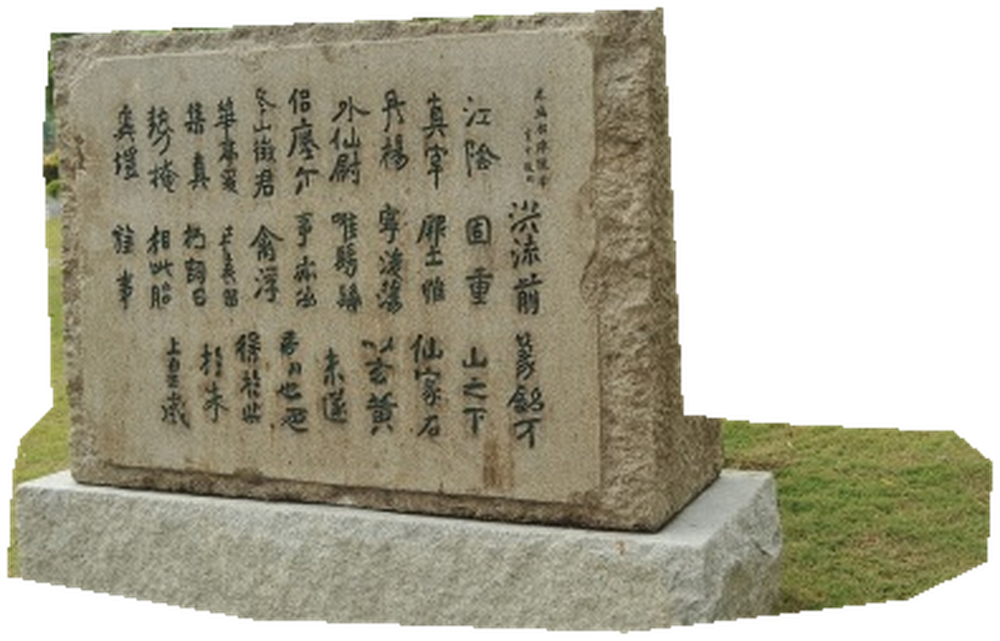
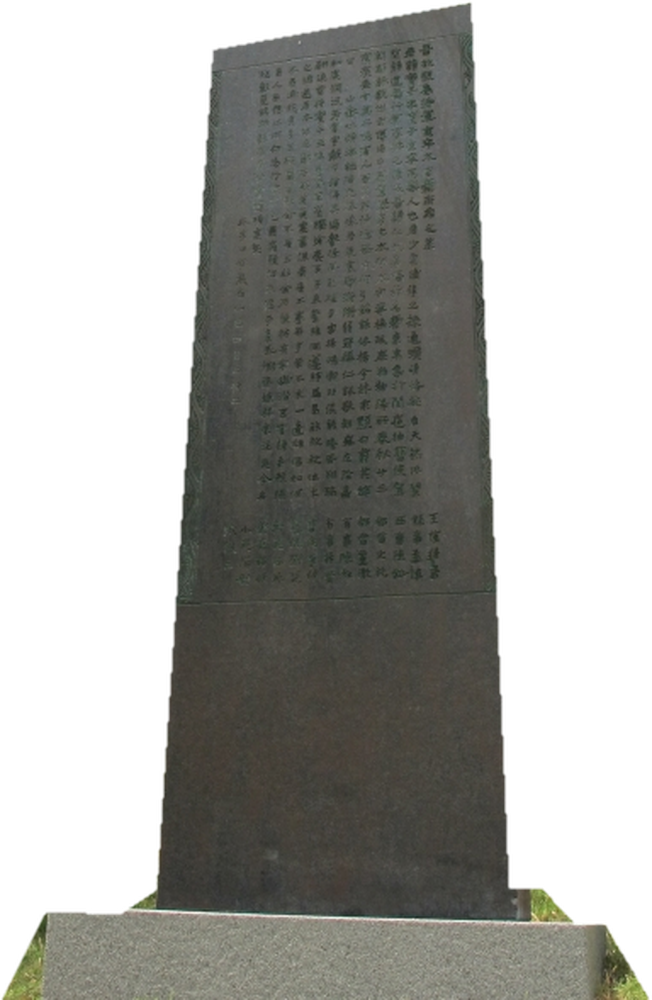
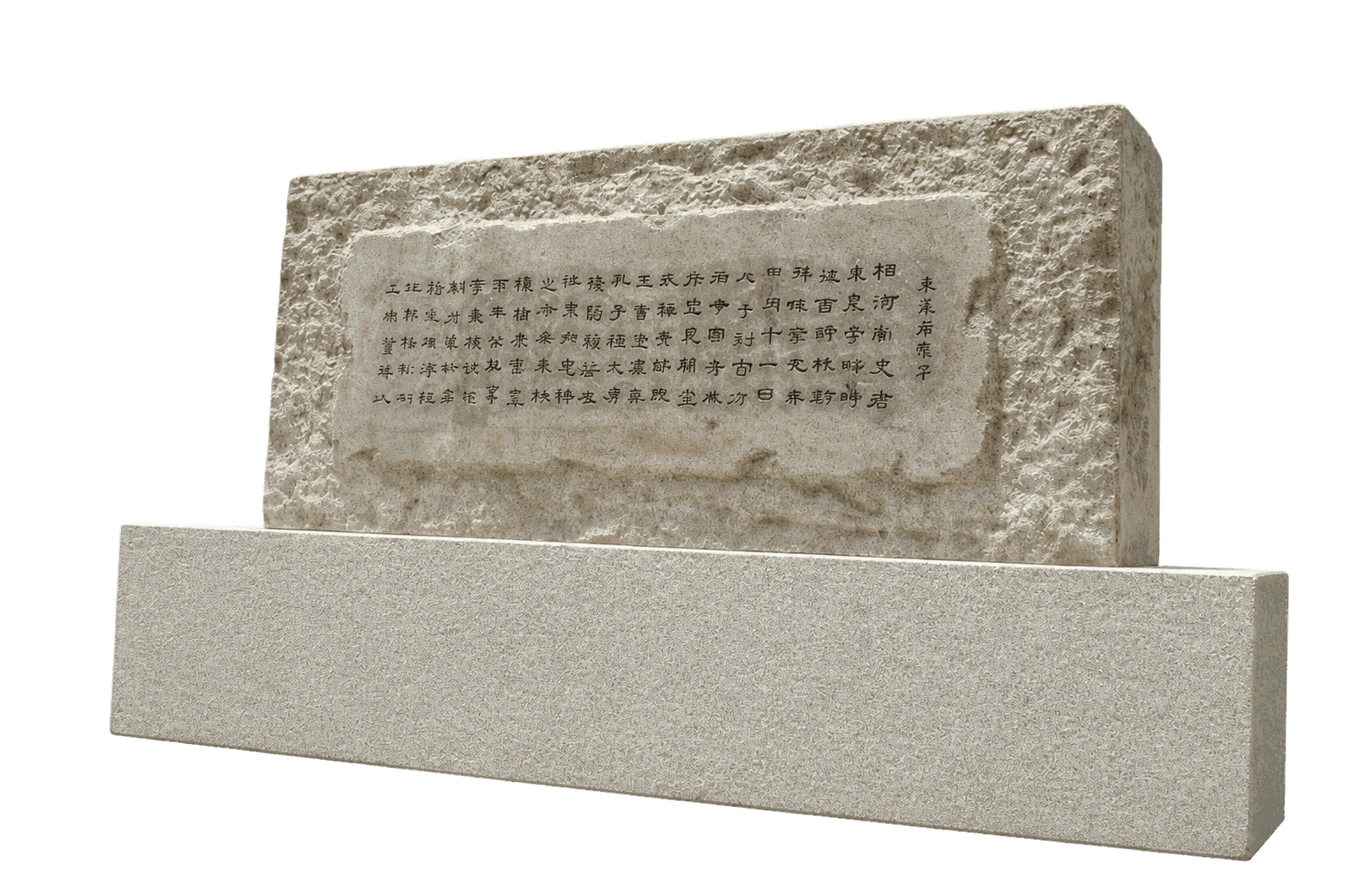
Traditionally attributed to the recluse Huayang Zhenyi, written in regular script by Shanghuang Shanqiao
The Yi He Ming was originally carved on a cliff face at the western foot of Jiaoshan in Zhenjiang, a place long known as a “mountain of calligraphy.” It later collapsed into the Yangtze River after being struck by lightning. During the Chunxi period of the Southern Song dynasty, it first emerged from the water and was recovered and re-erected at its original site, but several decades later it fell into the river again. It was not retrieved until the fifty-second year of the Kangxi reign in the Qing dynasty (1713 CE). More than ninety characters survived, and the inscription was later moved to Guanyin Nunnery on Jiaoshan. Its calligraphy is broad and spacious, with traces of ancient clerical script. Although the strokes and edges are weathered, its brilliance remains clear. The writing is crisp in movement and expansive in spirit, with brushwork subtly connected to seal-script structure. Its lines are strong, weighty, and filled with a deep rhythmic quality.
Unknown
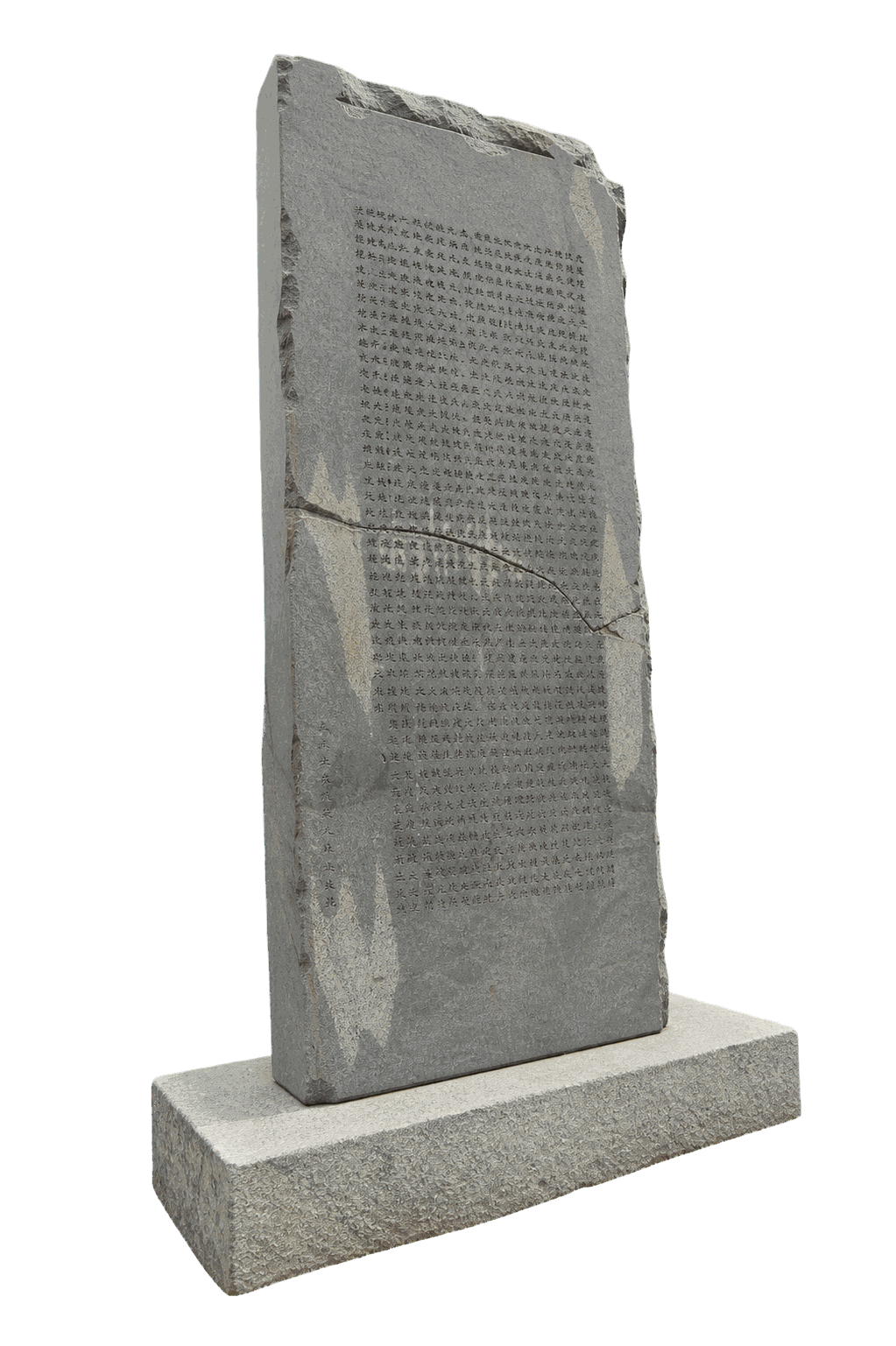
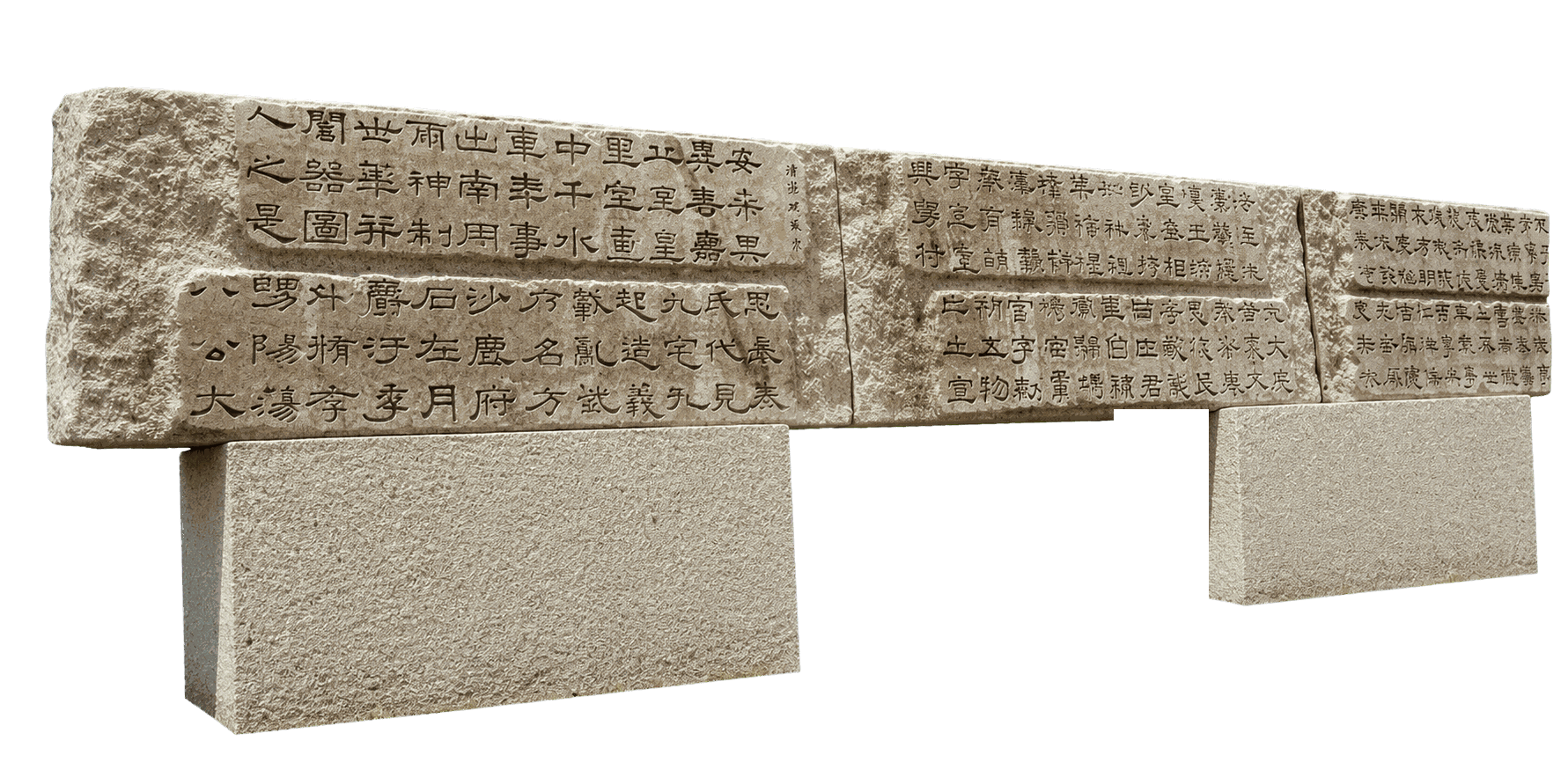
Longmen Sculptural Inscriptions refers to selected Northern Wei-period inscriptions from the Longmen Grottoes in Luoyang. There are twenty inscriptions in total, known as the “Twenty Longmen Inscriptions”, and they are representative works of Wei stele calligraphy. Their style is strong, square, vigorous, and full of variation, offering a vivid view of Northern Wei calligraphic style. As refined examples of Northern Wei calligraphic art and representative works of the Wei stele style, they have long been highly valued. The Twenty Longmen Inscriptions inherited traditions from the Han and Jin dynasties and helped shape the calligraphy of the Sui and Tang dynasties. They became an important stage in the history of Chinese calligraphy, forming a distinctive artistic expression with clear period character and aesthetic force. In the Qing dynasty, Kang Youwei and others strongly advocated the study of Northern steles, a view that deeply influenced the literary and artistic world and pushed the study of Wei stele calligraphy to a new height.
Wang Xianzhi
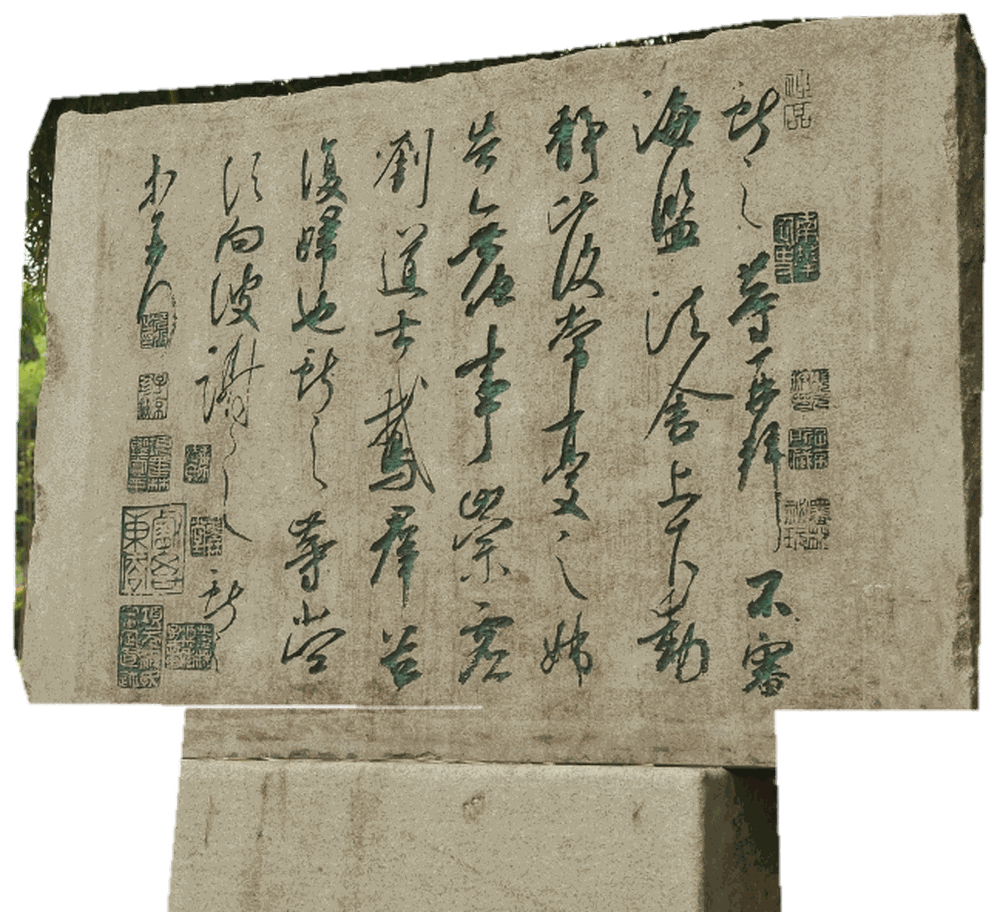
The E Qun Tie is traditionally attributed to Wang Xianzhi. The original work has not survived, and the versions known today are Tang and Song dynasty copies. Some accounts identify it as a copy by Mi Fu, while others suggest it was a later Southern Dynasties fabrication inspired by the story of Wang Xizhi writing the Dao De Jing in exchange for geese. Studies also regard the Chunhua Ge Tie version of E Qun Tie as a forgery. Its calligraphy is described as forceful and unrestrained, lacking the refined spirit usually associated with Jin dynasty writing. Even so, because E Qun Tie is so beautifully written, questions of authenticity have not stopped it from being passed down through the generations.
Wang Xizhi
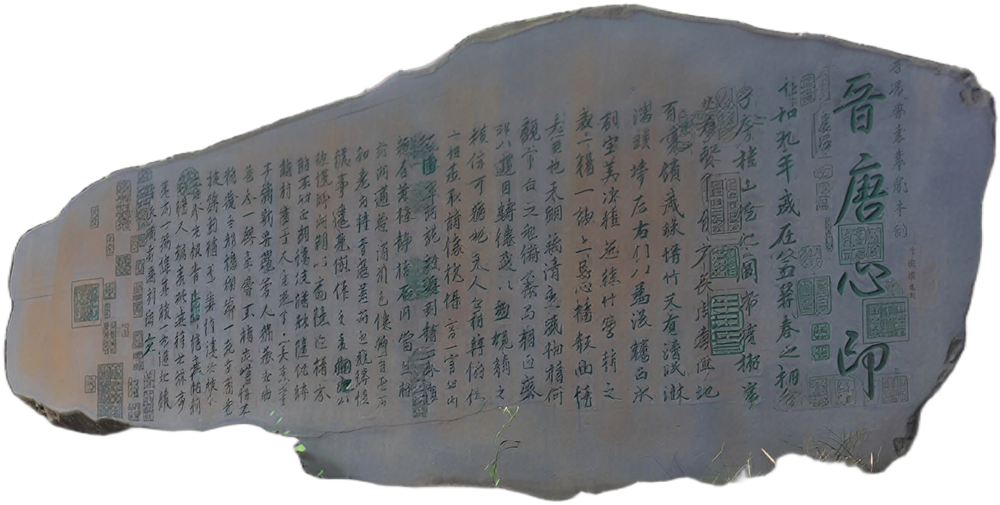
The Preface to the Orchid Pavilion was written in the ninth year of the Yonghe era (AD 353). It is traditionally said to have been composed spontaneously by Wang Xizhi as a preface during a spring purification gathering of literati with poetry and wine. Later generations described Wang Xizhi's calligraphy as "graceful as a startled swan, lithe as a wandering dragon," and honored him as the Sage of Calligraphy. The Preface to the Orchid Pavilion is a treasure of calligraphy, known as the finest running script under heaven, and has been admired and copied by calligraphers through the ages. The surviving Shenlong copy of Wang Xizhi's Preface to the Orchid Pavilion has generally been called the Feng Chengsu traced copy since Guo Tianxi of the Yuan dynasty. The Orchid Pavilion is located in present-day Shaoxing, Zhejiang.
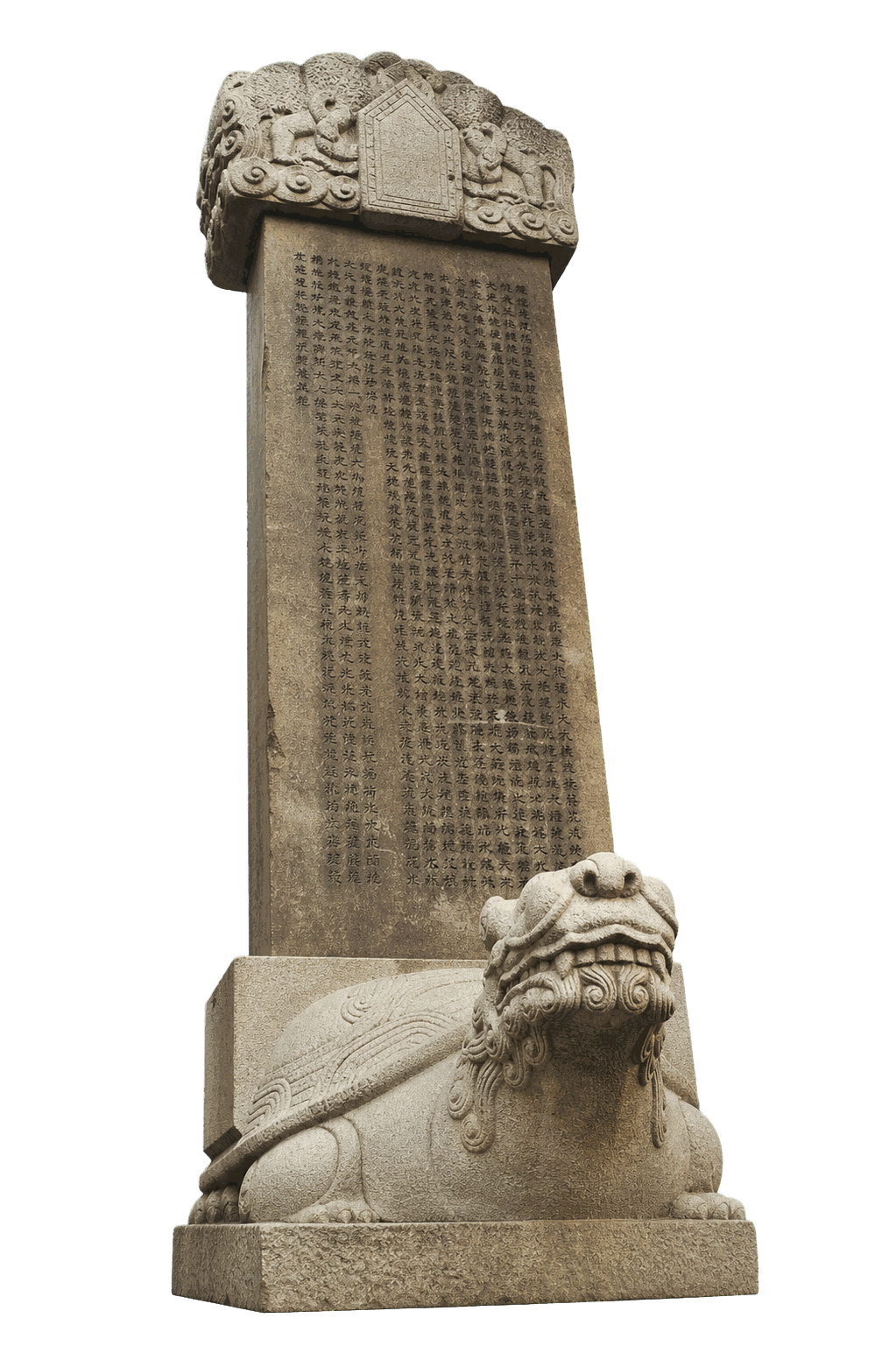
The Cuan Baozi Stele is written in regular script. Its original dimensions are 183 cm high and 68 cm wide.
Zhong Yao
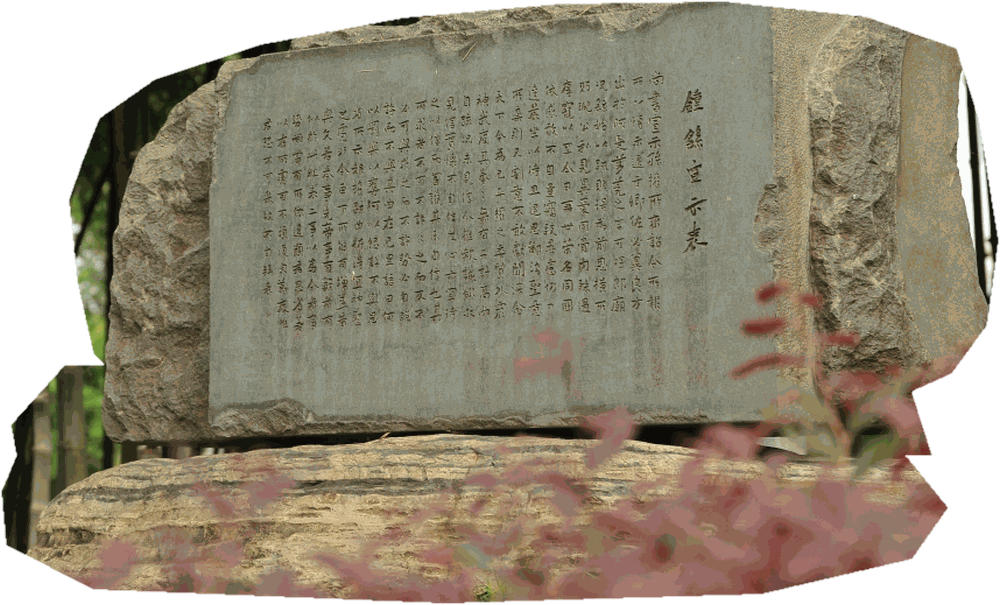
The Xuan Shi Biao is traditionally attributed to Zhong Yao. It is a memorial written by Zhong Yao, a minister, to Emperor Wen of Wei, Cao Pi, and was later included in model-calligraphy collections such as the Chunhua and Daguan tie. Its script is dignified, plain, and rigorously structured, with natural brush movement. It opened a new form between clerical script and regular script, and is regarded as an ancestor of regular script.
The Zhang Qian Stele, also known as the Zhang Qian Memorial, has a seal-script title reading "Memorial and Eulogy for Lord Zhang, former Gucheng Chief and Dangyin Magistrate of Han." It was carved in Wuyan, in present-day Dongping, Shandong, in the third year of the Zhongping period of Emperor Ling of the Eastern Han dynasty (AD 186), unearthed during the Ming dynasty, and is now preserved in Dai Temple in Tai'an, Shandong. The inscription records Zhang Qian's political achievements. Its characters are square and upright, with clearly defined angular brushwork and a style marked by order, straightness, squareness, and balance.
The Cao Quan Stele was erected in the tenth month of the second year of the Zhongping period of the Eastern Han dynasty (AD 185). It was unearthed in Heyang, Shaanxi during the Ming dynasty and is now preserved in the Xi’an Beilin Museum. The inscription records Cao Quan’s life, achievements, and lineage, and also mentions the Yellow Turban uprising led by Zhang Jiao. Its elegant, graceful style, balanced structure, complete body, and clear characters make it one of the finest works from the peak period of Eastern Han clerical script.
It is believed that the characters on the Shi Chen Stele were written by Cai Yong. The inscription records Shi Chen, prime minister of the State of Lu, honoring Confucius with ceremonial offerings. It was carved in the third month of the second year of the Jianning period of Emperor Ling of the Eastern Han dynasty (AD 166).
The stele was carved in the 2nd year of the Yongshou period during the Eastern Han dynasty (AD 156). The inscriptions record Han Chi, premier of the State of Lu, exhorting his people to refurbish the Confucius Temple and add ritual vessels and offerings. The stele is well preserved in the Confucius Temple in Qufu, Shandong, and is important for the study of clerical script calligraphy.
The stele was erected in the 1st year of Yongxing Period during the reign of Emperor Huan of the Eastern Han dynasty (AD 153). It is now kept in the Confucius Temple in Qufu, Shandong. The inscriptions are about Yi Ying’s request for official approval of ritual arrangements at the Confucius Temple. Yi Ying was the premier of the State of Lu.
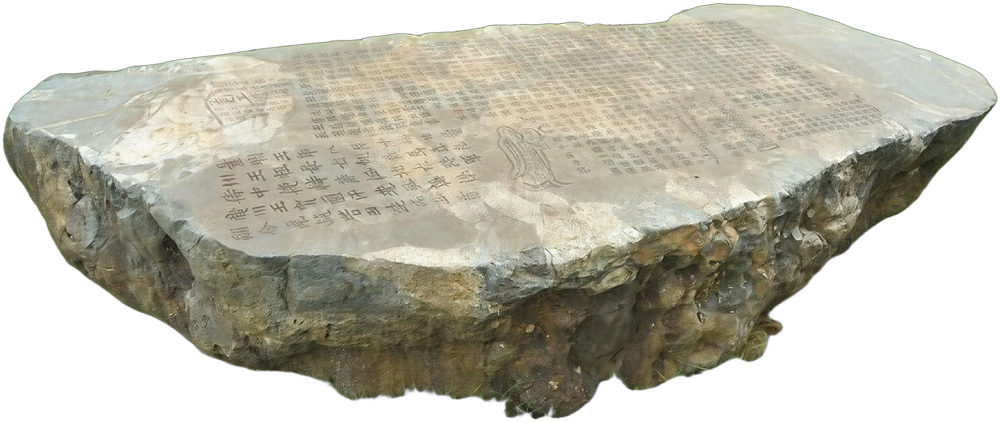
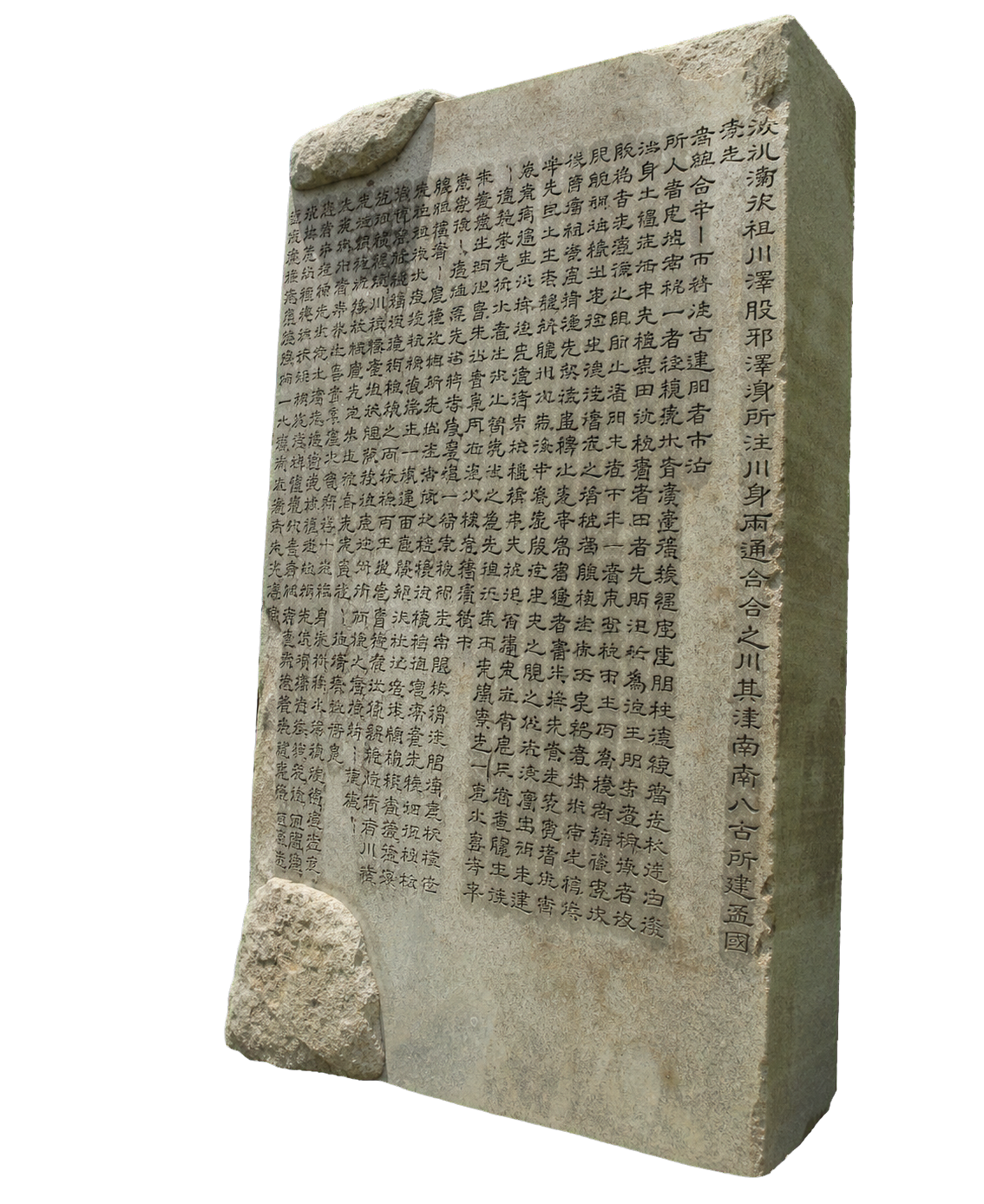
The inscriptions are about Wang Sheng, the prefecture chief of Hanzhong in AD61, praising Yang Mengwen for digging the Shih-Men Tunnel. In 1967, the slab with the inscriptions was removed and kept in the Hanzhong City Museum.