Malaysia Chinese Calligraphy Stone Gallery
Curated Collection
让典藏不只是一种展示,也成为一种漫游与凝视。在这里,每一道刻痕都是时间的低语,带您走入汉字演变的浩瀚长河。
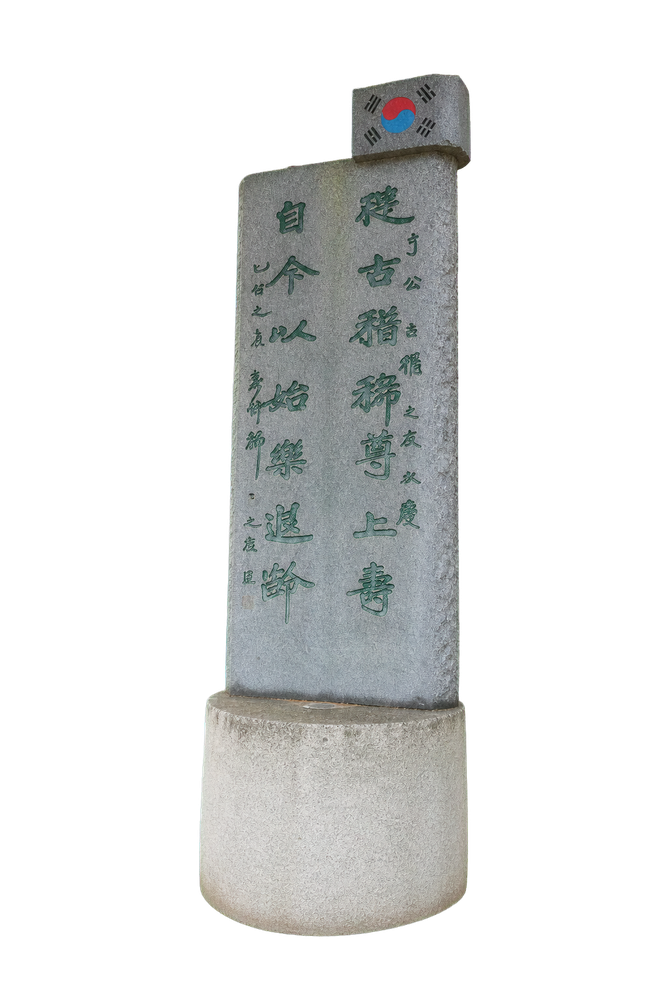
Kim Eung-Heon of Korea
Kim Eung-Heon was born in Seoul, Korea. Kim was a prominent literary intellectual in Korea, being the President of the Korean Association of Oriental Culture Studies and Korean Seal Carving Association. He is aptly regarded as the greatest calligrapher in Korea in the modern era for his profound influential role. He was conferred the ‘Honorary Member’ of the Chinese Calligraphers Association in February 1976. In 1997, Kim was honoured with the ‘Korean Art and Cultural Legacy’ medal. Kim published academic papers on ‘the Symposium on the Oriental Calligraphy’, ‘The Book and The Calligrapher’, and ‘The Beauty of Oriental Calligraphy’. Kim specialized in Xing and Cao calligraphy, Wei Dynasty inspired Seal Carving and ‘Li Shu’ calligraphy. His calligraphy is deemed vigorous and fluid, delivered through dynamic brushstrokes. His vibrant calligraphy works sum up the highest realm of calligraphy.
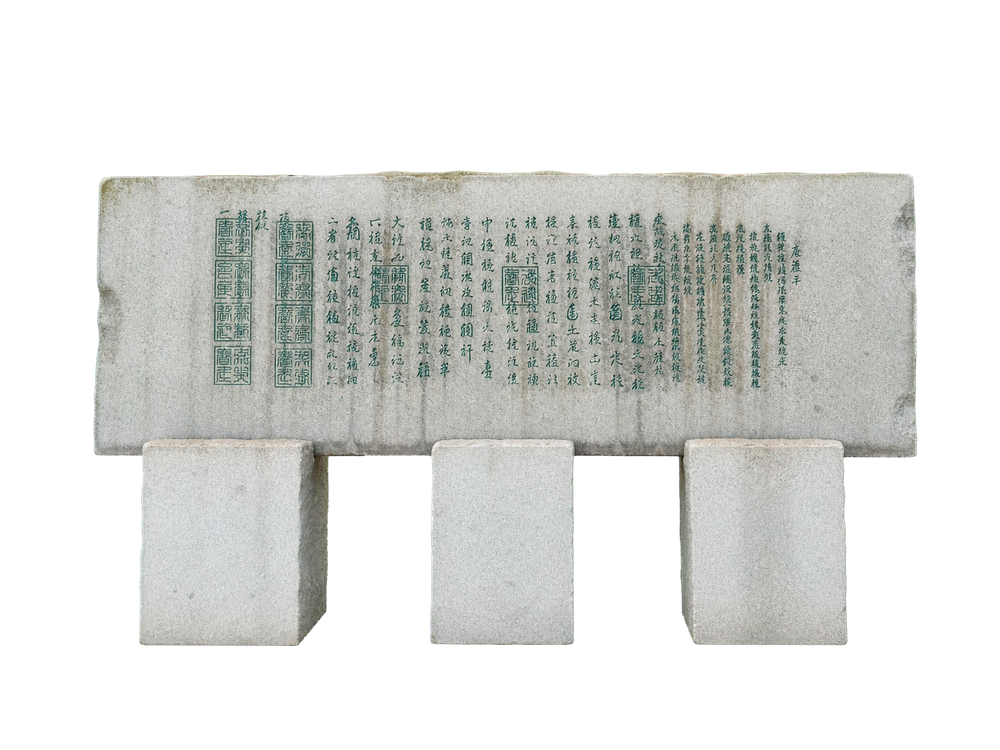
Emperor Saga of Japan
Emperor Saga ascended to the throne in the year of 809. The history of Japanese culture labelled his era as the Heian Period, in which cultural elements of Tang Dynasty started to flourish across Japan. The certificate (an official monastery seal) was presented by Emperor Saga to a disciple of Master Saicho, Guang Ding, upon his monkhood graduation. This certificate scroll cleverly integrated the ‘Kai Shu’ of Ouyang Xun and ‘Xing Shu’ of Master Kukai into one. This goes to show how the calligraphy styles of Ouyang Xun and Master Kukai influenced him deeply. Emperor Saga’s calligraphy demonstrates robust strokes in great deliberation.
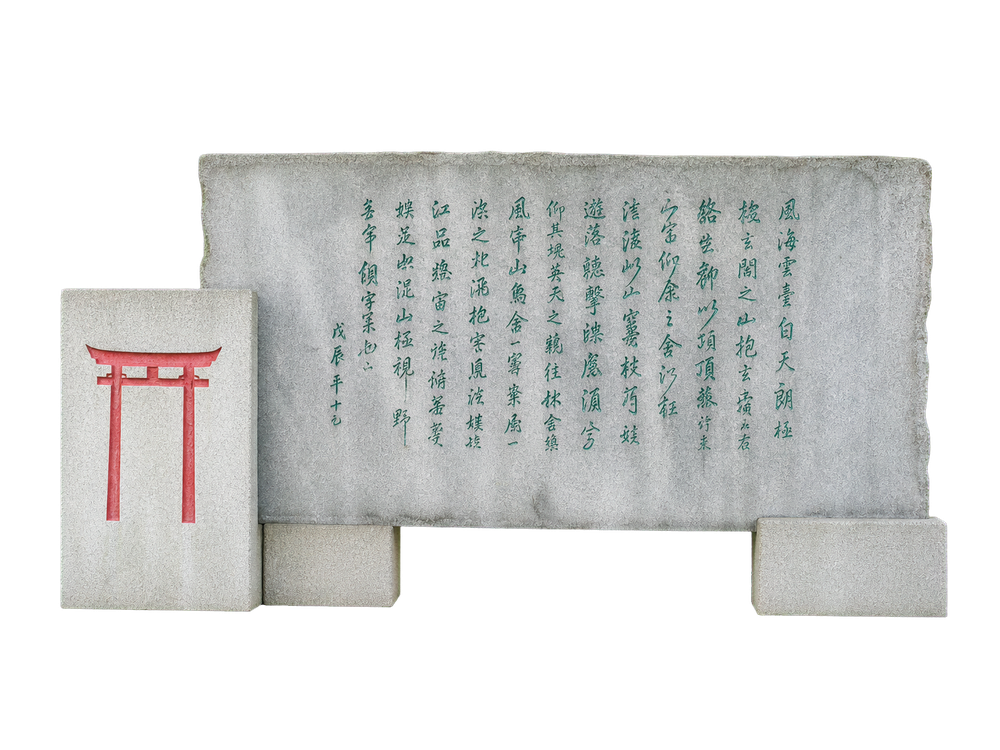
Master Kukai of Japan
Master Kukai sailed to China aboard a vessel ferrying the entourage of the ambassador of Tang Dynasty. His calligraphy can be characterized by three different phases, namely before and during his stay in China under the rule of Tang Dynasty, and after his return to Japan. “Feng Xin Tie” (transliterated as ‘Letters’) refers to the three letters in combination he wrote to Master Zui Cheng (known as Master Saicho in Japanese). It was the most significant calligraphy work by Master Kukai after his return to Japan in his 40s. The tablet displayed here features the first letter of the three. All three letters exude the calligraphy style typical of Wang Xi Zhi. Master Kukai’s calligraphy oozes a distinctive flair in terms of brushstroke. It bears the calligraphy flavours of Jin and Tang dynasties.