Malaysia Chinese Calligraphy Stone Gallery
Curated Collection
让典藏不只是一种展示,也成为一种漫游与凝视。在这里,每一道刻痕都是时间的低语,带您走入汉字演变的浩瀚长河。
Xu Wei
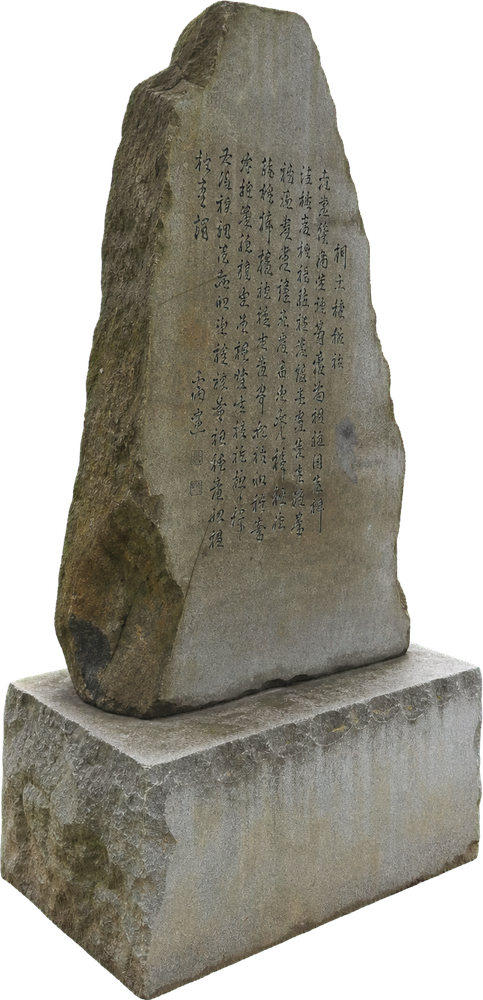
Xu Wei excelled in running and cursive script. His dots and strokes scatter with force, and his compositions unfold like an unfurled mat, filling the page with an arresting atmosphere. His work is broad in spirit, using intention as the brush and emotion as the writing, rarely constrained by tradition or fashion. Xu's turbulent feelings and frustrated state of mind are carved into his calligraphy. This work is a representative example of late Ming wild cursive and is now held by the Shanghai Museum.
Wen Zhengming
Xiyuan Poems was composed when Wen Zhengming was fifty-six and serving in the capital as an Academician Awaiting Edict at the Hanlin Academy. The poems describe the imperial garden west of the palace city, centered on Taiye Pond. Wen is thought to have written this scroll at the age of eighty-five, making it one of his fine late works. The calligraphy is warm, elegant, steady, mature, rigorous in method, and lively in expression. Rooted in Wang Xizhi, it draws on many masters, with refined turning strokes, balanced spacing, calm structure, graceful movement, and a polished, flowing elegance.
Zhu Yunming
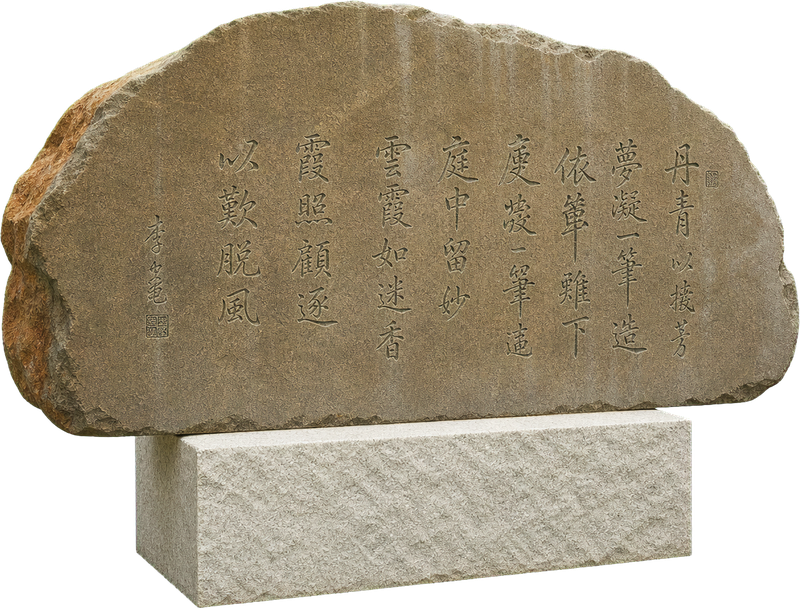
Zhu Yunming was known as one of the Four Talents of Wuzhong, together with Tang Yin, Wen Zhengming, and Xu Zhenqing. Exceptionally gifted, he could write large characters at the age of five and compose essays at nine. His small regular script followed Zhong Yao and Wang Xizhi, with disciplined structure and steady brush strength; his cursive script studied Huaisu and Huang Tingjian, and in his later years became especially vigorous, free, and elegant. This cursive Rhapsody on the Luo River Goddess is regarded as a work from around the age of forty. Its cursive writing is brilliant and spirited, with rich contrasts of size, density, continuity, pause, solidity, and emptiness.
Tang Yin
Tang Yin wrote Falling Flowers Poems several times in his life, and each version differs in the number of poems copied, the content, and the calligraphic style. Known examples are now held by the Princeton University Art Museum, the Liaoning Provincial Museum, and the National Art Museum of China. This piece is one of Tang Yin's representative surviving calligraphic works, probably written in his early years. The brushwork is rounded, graceful, elegant, free, refined, and gentle.
Zhao Mengfu
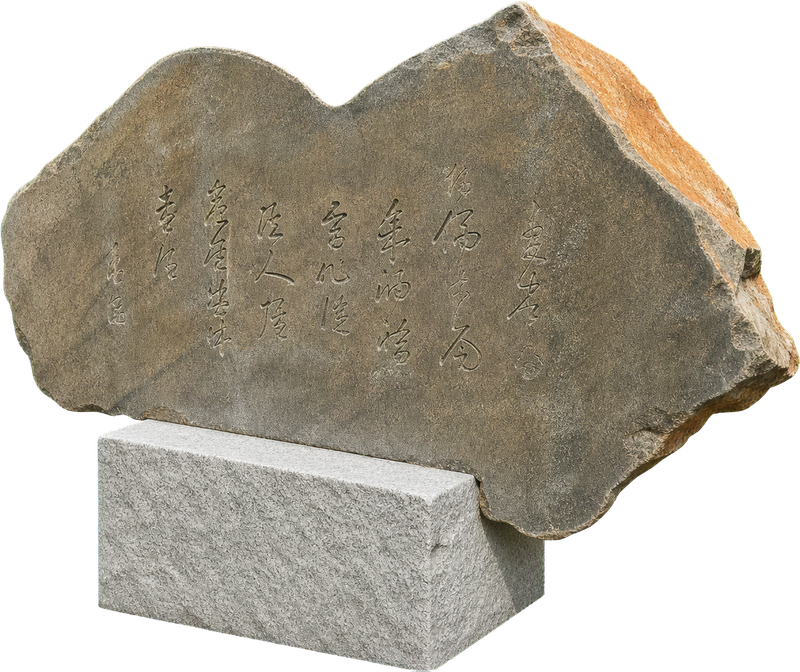
Tian Guan Mountain is located about one kilometer south of Guixi City in Jiangxi Province. Because three peaks stand there in formation, it is also known as Sanfeng Mountain, or Three Peaks Mountain. Zhao Mengfu once erected a stele there and composed and wrote the text himself. This horizontal work in running-cursive script moves freely, with a strong musical rhythm and a broad, flowing energy that reveals the unrestrained spirit of the writer at the moment of creation. This piece, Moon Rock, is one of the twenty-four scenic subjects of Tian Guan Mountain.
Wen Tianxiang
Preface to the Muji Collection is a small cursive work on paper. It was written by Wen Tianxiang as the preface to a poetry collection by his fellow townsman and close friend Zhang Jiang. According to tradition, it was Wen Tianxiang?s final major work before he set aside the brush and joined the military at the age of thirty-eight. Its composition closely follows Wang Xizhi, while its brushwork draws strength from Huaisu. The writing is natural and unrestrained, clear and open, upright in spirit, and graceful in its distant, restrained elegance.
Zhao Ji
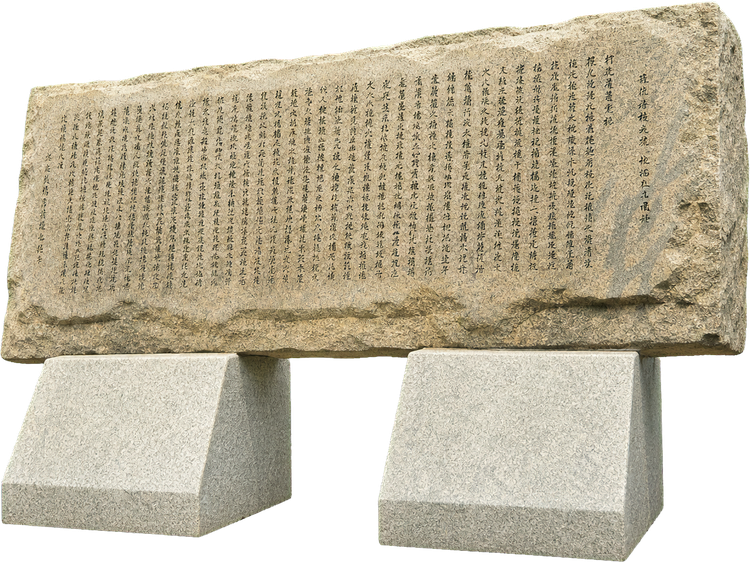
Nongfang Poem is a five-character regulated poem written by Emperor Huizong of Song in his Slender Gold style. Now held in the National Palace Museum in Taipei, it is a large-character work on silk in twenty lines, with two characters per line and forty characters in total. The style is highly distinctive: fine and resilient like silver hooks and iron strokes, yet with a sense of fullness within its lean strength. A colophon by Chen Bangyan appears after the scroll. Emperor Huizong possessed exceptional artistic talent and was deeply accomplished in poetry, painting, calligraphy, music, and theatre. His calligraphy drew from Huang Tingjian of the Song and Xue Ji of the Tang, developing into the sharp, elegant style known as Slender Gold. Its structure is tightly gathered at the center and opened outward, with balanced forms, light pressing and firm finishing strokes, crisp pauses and turns, and an airy, refined quality that reveals the unique character of Slender Gold script.
Zhang Jizhi
Zhang Jizhi?s Record of the Wang Family Baoben Hermitage is an ink-on-paper handscroll. Written in small characters across thirty-eight lines and totaling 688 characters, it is one of Zhang?s finest surviving works and is held by the Liaoning Provincial Museum. The brushwork is smooth yet strong, clear and vigorous without vulgarity. Its handling of the brush is exceptionally precise and refined, with dots and strokes responding to one another in a polished and carefully balanced manner.
Yue Fei
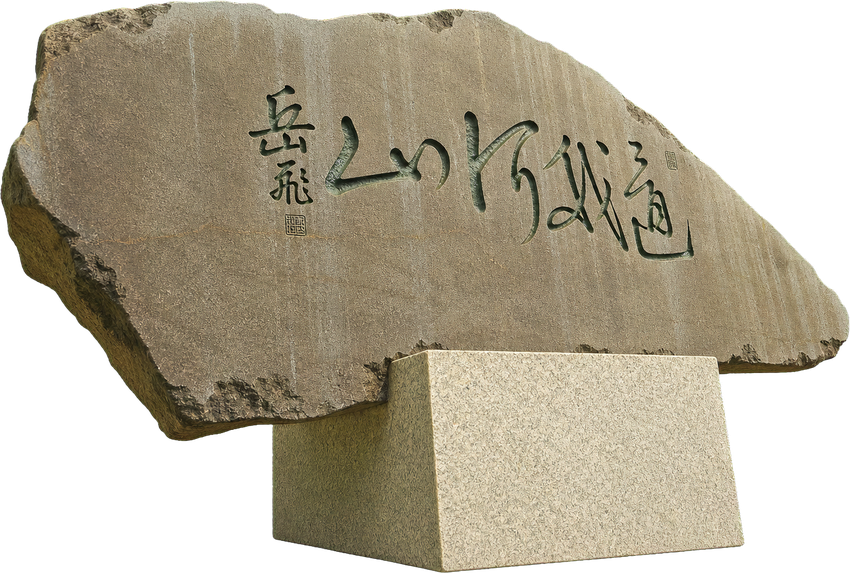
According to tradition, in the sixth year of the Shaoxing reign, 1136 CE, Yue Fei led his army north to recover lost territory and appeared close to reclaiming the Central Plains. Emperor Gaozong of Song, however, was intent on negotiating peace and ordered Yue Fei to return to court. Deeply pained that the humiliation of the Jingkang Incident could not be avenged, Yue Fei wrote the stirring poem Man Jiang Hong amid intense emotion. Yue Fei was skilled in both literary composition and calligraphy, using them to express his ideals and loyalties. His writing drew from Tang masters such as Yan Zhenqing and the monk Huaisu, while gradually forming a personal style of bold, soaring energy. The brushwork is firm, vigorous, mature, and highly controlled, with lines that move freely and powerfully across the surface. In the history of Song calligraphy, besides the Four Great Masters Su, Huang, Mi, and Cai, Yue Fei also stands as an independent and distinguished calligrapher. Kang Youwei of the Qing dynasty praised the strength and depth of Yue Fei?s writing.
Although the four characters ?Return My Rivers and Mountains? are commonly regarded as Yue Fei?s handwriting, reports suggest that they were not written directly by Yue Fei himself. After the September 18 Incident in 1931 and the fall of Northeast China, Zhou Chengzhong, a philologist from Jiading, Jiangsu, is said to have assembled the characters from a rubbing of Li Hua?s Lament for an Ancient Battlefield, traditionally attributed to Yue Fei?s hand. The brushwork combines awkwardness and skill, with the awkward quality prevailing over deliberate polish. Its arrangement feels natural, with spacing that shifts freely between openness and density. The strokes turn and coil like cursive script while retaining a disciplined regularity. Each character seems governed by method, yet also beyond method, using rules freely and personally. The result is expansive, spirited, and full of the bearing of a Confucian general.
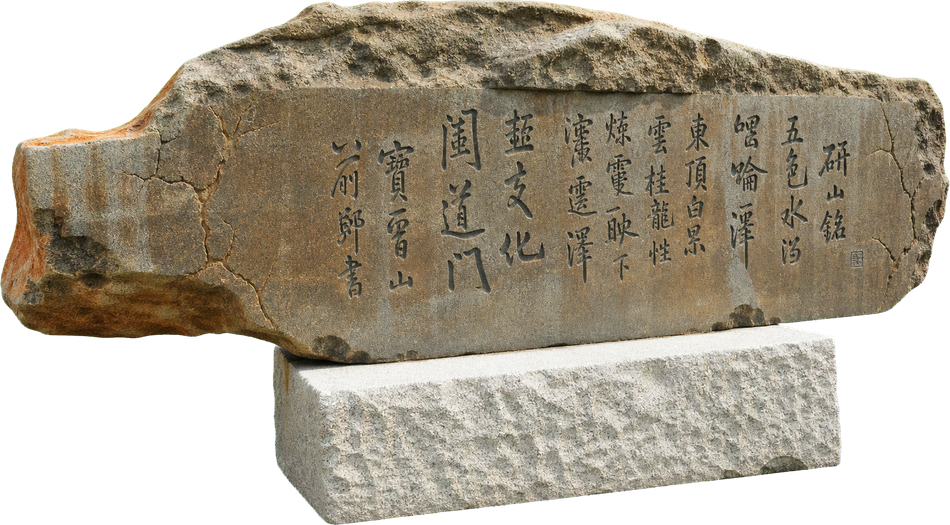
Mi Fu
Yanshan Inscription is associated with Mi Fu, one of the Four Great Masters of Song calligraphy. Mi Fu?s writing is admired for its lively movement, shifting rhythm, and expressive individuality. This work displays a free and spirited brush manner, with characters that vary in size, density, and momentum. The result is a vivid example of Mi Fu?s calligraphic personality: elegant, unconventional, and full of motion.
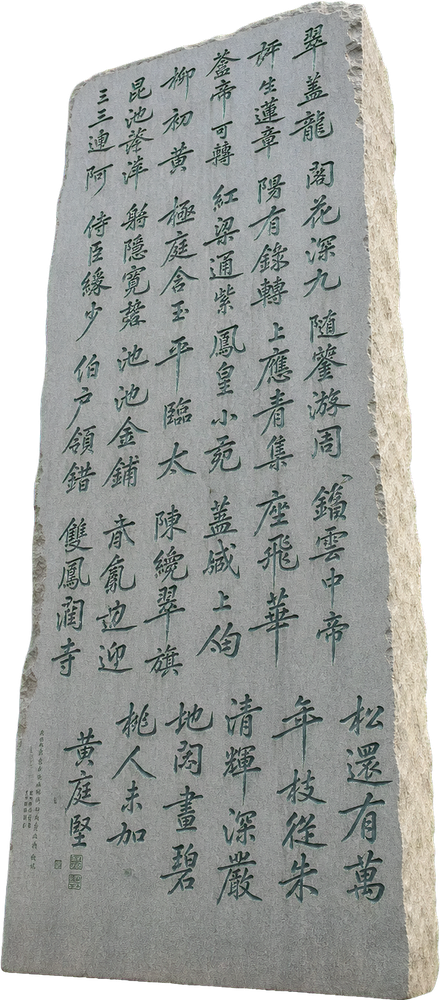
Huang Tingjian
Seven-Character Regulated Verse shows Huang Tingjian?s distinctive calligraphic language in a poetic format. The brushwork is upright, expansive, and rhythmically varied, with characters that often extend vertically and turn with deliberate force. Huang?s style transforms the regular order of verse into a dynamic visual structure, balancing scholarly refinement with bold personal expression.