Malaysia Chinese Calligraphy Stone Gallery
Curated Collection
让典藏不只是一种展示,也成为一种漫游与凝视。在这里,每一道刻痕都是时间的低语,带您走入汉字演变的浩瀚长河。
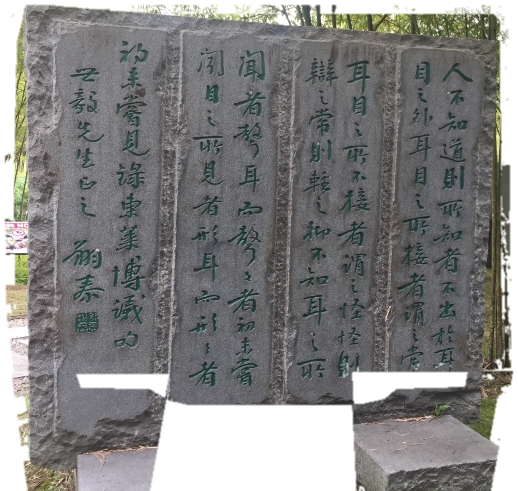
Wang Mi Wen
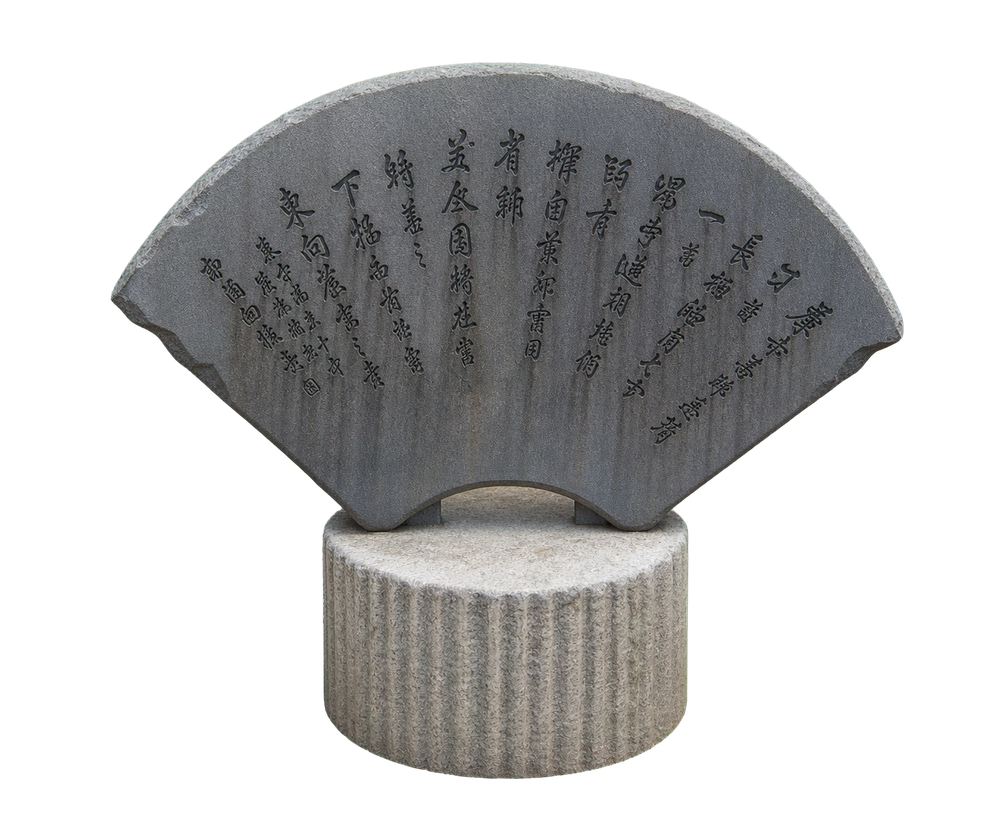
Wang Fu Wen was originally from Tai District, Jiang Su Province, with a birth name and nickname of Yi Chu and Ti Zhai respectively. He was a graduate of Nanjing University and Southeast University (formerly known as National Central University), majoring in English Language. Wang was the Chinese Education supervisor of Malaysia’s Education Ministry, principal of Surabaya (Indonesia) Overseas Chinese High School, and principal of Foon Yew High School in Johor Bahru. Wang was a renowned educationist and scholar across Malaysia. TwoOne of his notable publications is ‘The Ti Zhai Prose Compilation by Wang Fu Wen’. Wang’s calligraphy was initially inspired by the Li style of Han Dynasty and later enriched his calligraphy knowledge with Ouyang Xun’s tablet calligraphy of Tang Dynasty. Wang’s calligraphy foundation was generally based on the style of Tang Dynasty’s Yan Zhen Qing. He also drew inspiration from Qing Dynasty’s He Shao Ji, in terms of character composition and layout for his Xing Shu calligraphy. Resolute and distinctive, his calligraphy exudes a strong sense of vigour and elegance.
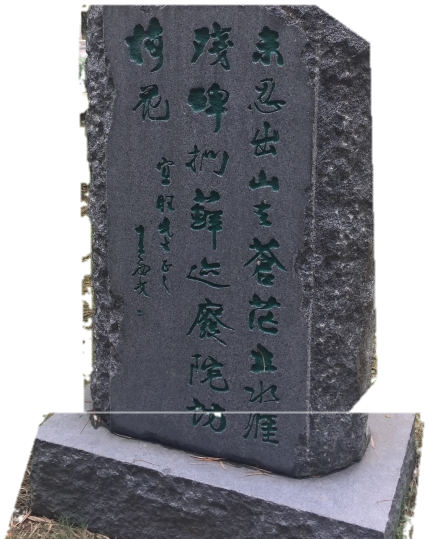
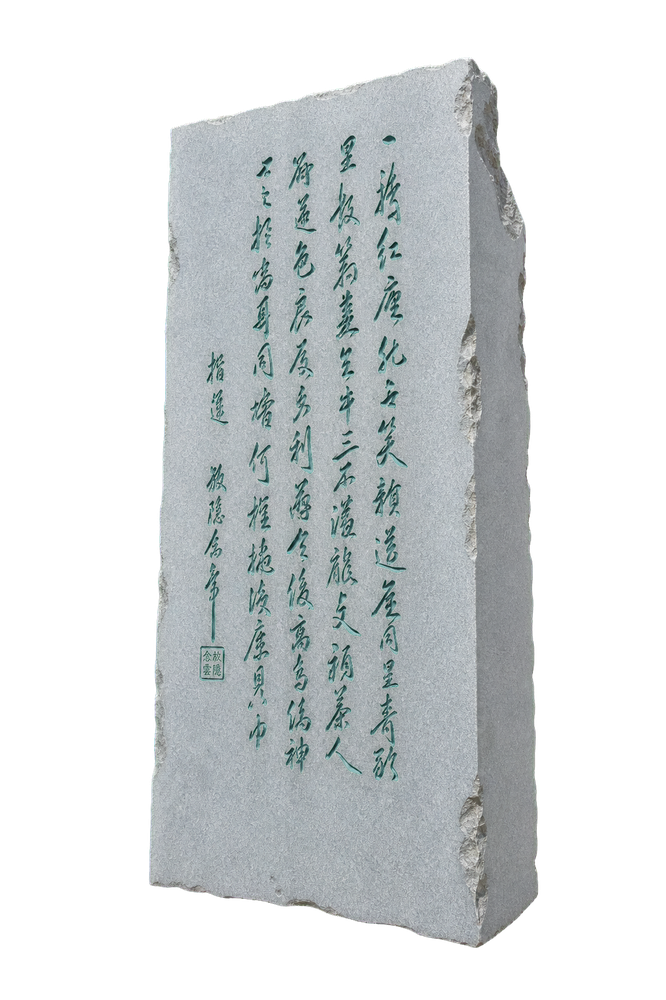
Huang Shi An
Huang Shi An was born by the names of ‘Zi Zhen’ and ‘Shi An’. He was a Hakka descent from Guang Dong. The distinguished literary figure was the chief editor for Ma Hua Ribao, a prominent judge for the national calligraphy contest and one of the founding members and consultant to Persatuan Seni Tulis Malaysia. Huang’s art exhibitions took to the international stage in Singapore and China (Research Institute of Traditional Chinese Painting in Beijing), for example. Huang’s notable publications include “The Calligraphy of Huang Shi An” (1988) and “The Calligraphy Exhibitions of Huang Shi An” (2005). Huang devoted his life to promoting calligraphy and therefore earned a great deal of respect from the community. He started his calligraphy journey with Northern Wei Dynasty’s tablet inscriptions, followed by other forms of stone-calligraphy. He was inspired by Qing Dynasty’s He Shao Ji, who was a renowned calligrapher, poet and scholar himself. Huang further enriched his calligraphy with Kang You Wei’s attributes. Overall, Huang’s calligraphy presents a classic, vintage profile filled with robust, graceful strokes. He was one of Malaysia’s top-notch calligraphy icons of the modern era. Xu Bei Hong, another remarkable calligrapher, regarded Huang’s calligraphy as something typical of Southeast Asia’s that shares a common spirit between them.
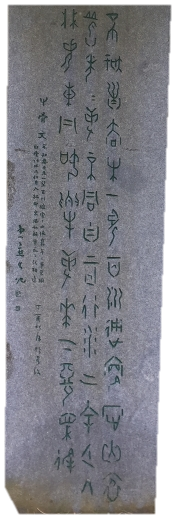
Cui Da Di
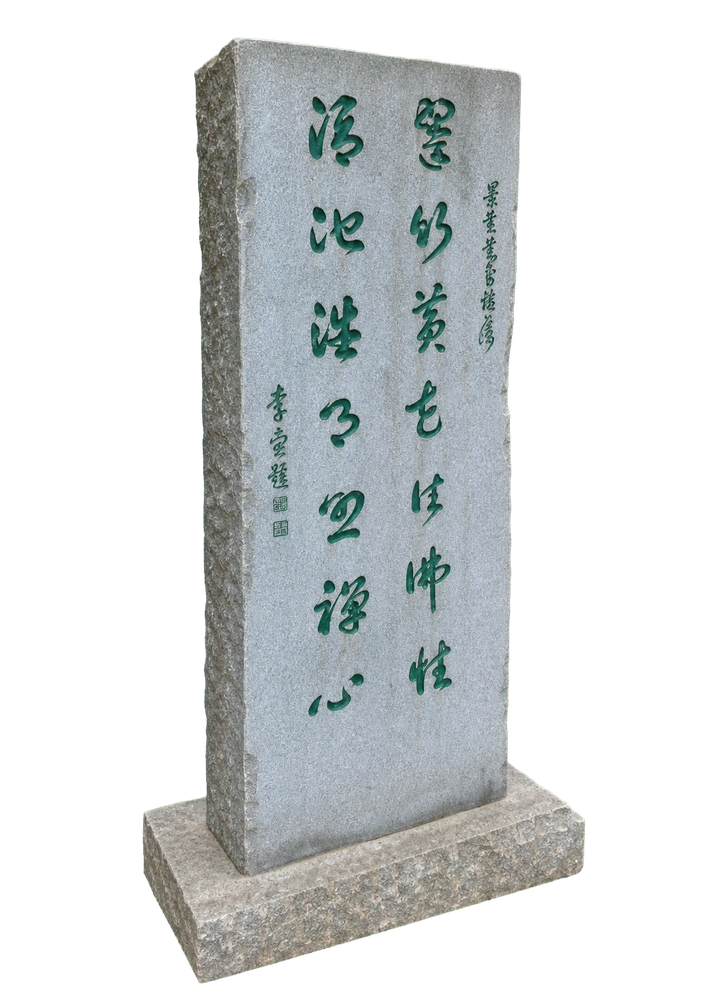
Cui Da Di was originally from Beijing, China. He was an internationally renowned epigraphy expert and calligrapher who had held many exhibitions of his works across different continents, including the United Kingdom. Some of those exhibitions took place at Great Britain – China Centre, University of London, University of Oxford and London Education Association. Cui dedicated his whole life to the study and promotion of calligraphy. Along the way, he mentored a number of calligraphy enthusiasts across Malaysia and Singapore. Cui started to delve into calligraphy and epigraphy of different eras at a young age. There was only a handful of local, professional calligraphers who based their calligraphy on epigraphy then. Fortunately, Cui was an expert in both fields. He took a very serious interest in oracle bones’ inscriptions by immersing himself in the field. Therefore, his calligraphy is very much influenced and inspired by this type of ancient calligraphy style, which is usually incised onto stones or shells in the ancient times. The calligraphy based on oracle bone scripts is ‘pictographic’, ‘symbolic’, ‘rectilinear’ and ‘melodious’ in nature. Cui’s calligraphy is pleasing to the eye and that conjures up a convivial masterpiece in a very unique way.
Siow Wan Heong
Siow Wan Heong hailed from Da Bu, Guang Dong, with a birth name of ‘Lan Xuan’. Siow is a highly respected philanthropist, educationist, member of the board of directors of Foon Yew High School, land donor of Southern University College, founder of Jin Guang Primary School and Jin Guang Secondary School in Da Bu, Guang Dong. He was the chairman of the board of directors of Johor Bahru’s Foon Yew High School back in 1961. He was the voice of Chinese schools’ boards of directors, campaigning to reject the reformed secondary schools’ system. He insisted on the teaching medium of Chinese Language and his insights paved the way for the success of Foon Yew High School and Chinese Language education throughout Malaysia. The diligent Siow studied on his own in his younger days. He only started to master calligraphy in his golden years. He was particularly fond of Song Xiang’s calligraphy, touted as one of the most distinguished intellectuals of the Hakka clan, of the late Qing Dynasty. Siow’s self-mastered his calligraphy through constant practices and sharp observations.
Lin Lian Yu
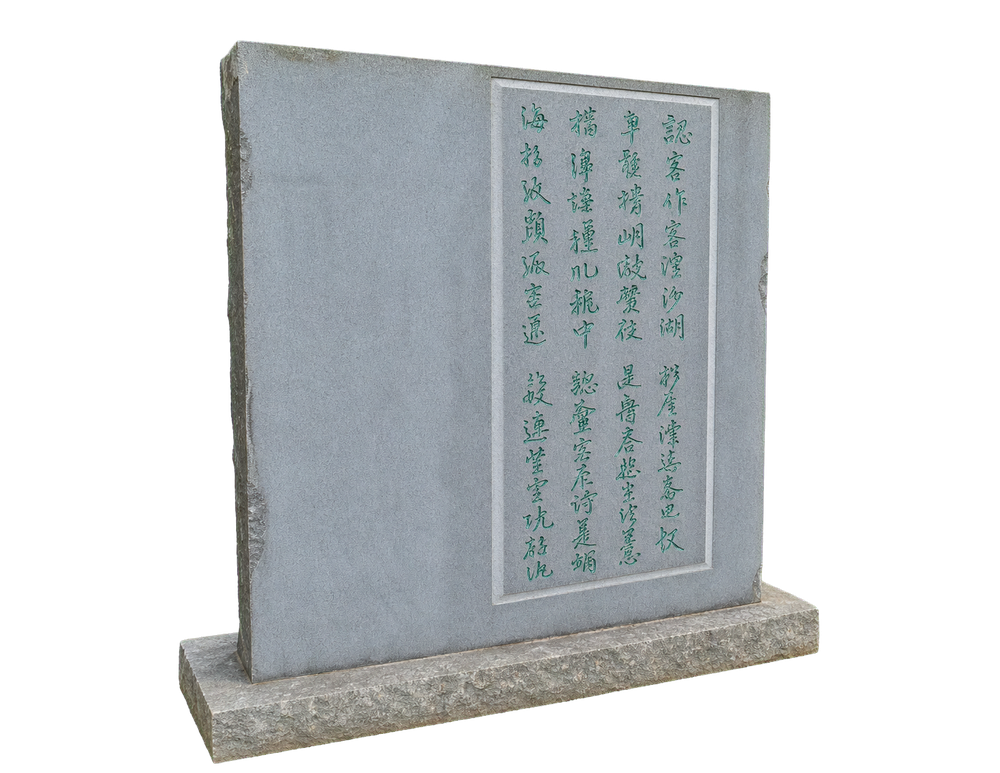
Lin Lian Yu (also known as Lim Lian Geok in Malaysia) is an epic figure in the history of Malaysia’s Chinese Language education. The former chairman of the United Chinese School Teachers’ Association of Malaysia was a notable author, educationist and leader of Chinese Language education all his life. Hailed from Yong Chun District, Fu Jian Province and graduated from Xiamen’s Jimei Teachers College, Lin came over to Malaya in 1925. He adopted the “Kang Ru Ye” pen name in the 50s and was a contributor in “Shang Yu” supplement to Nanyang Siang Pau. He devoted his life to the promotion of Chinese Language education in Malaysia amid many heart-wrenching adversities. He impressed with his widely acknowledged literary prowess as seen in his old-style or classical poetry. He engaged himself with renowned calligraphers Ouyang Xue Feng, Li Jia Yao, Wang Mi Wen, Zhu Mo, Bo Yuan and Liang Pi Yun through poetry exchanges.
Li Jia Yao
Li Jia Yao hailed from Yong Chun, Fu Jian. He graduated from Shanghai Art College in 1922. Li sailed to Singapore in 1926 and migrated to Kuala Lumpur in 1929, dedicating himself to education. His famous publications include “Jia Yao Calligraphy and Painting Compilation”, “Ju Mei Tang Calligraphy and Painting Compilation” and “Ruo Ye Tang Calligraphy and Painting Compilation”. Li’s calligraphy demonstrates a well-cultured personality, befitting his status as a respected calligrapher of the modern era. The well-learned Li took pride in inheriting the rich Chinese tradition as evidenced through his Shanghai-styled calligraphy. His gorgeous calligraphy manifests the elements of the ancient stone-carving driven calligraphy.
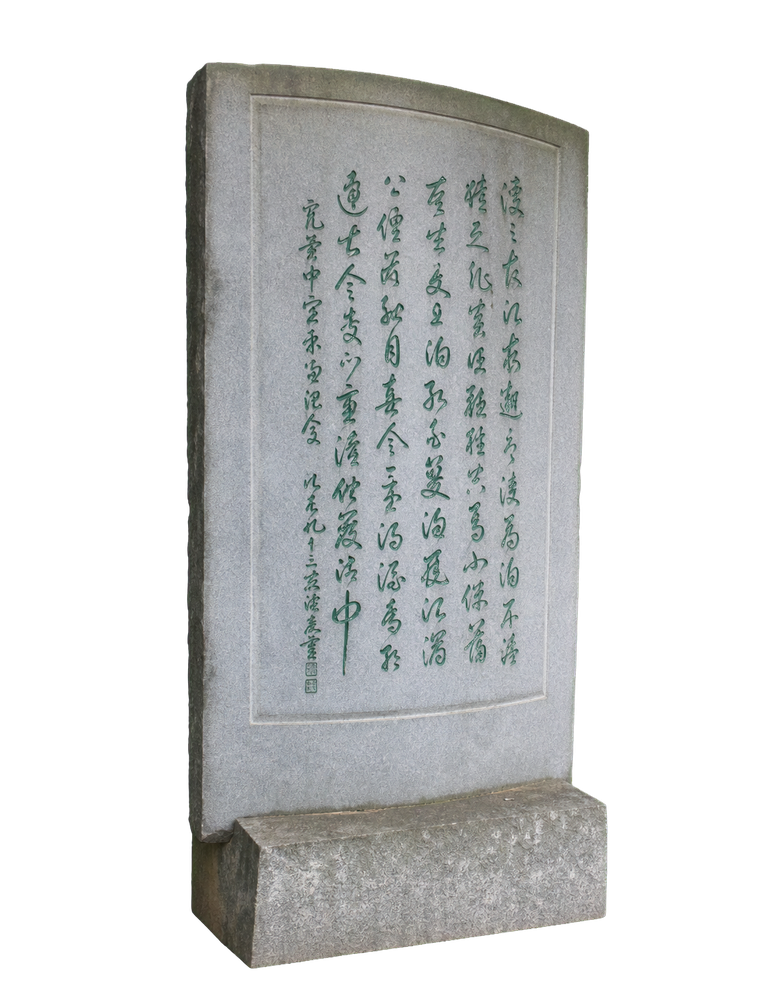
Xie Yun Sheng
Xie Yun Sheng’s ancestral home is Nan An, Fu Jian. His original name is Xie Wen Long. Xie is also known by his pen name ‘Chun Ni’. He was an educationist, historian on the history of Southeast Asia (Nanyang) and expert in folkloristics. Xie was a teacher at the Chinese Department of Xiamen’s Common Culture College (Tong Men Shu Yuan), teaching history and geography. In Malaya, he was the principal of Kuala Kemaman Overseas Chinese School. Xie’s footprints spanned into Singapore where he was a teacher at Nanyang High School (Girls) and principal for Zhen Dong School. He was a famous author of classical poetry in the 30s. He was the founder and president of Singapore’s Xin Sheng Poets Society. The prolific poet specialized in the folklores of Nanyang and riddles. Among his renowned publications are “Hai Wai Ji”, “Dong Yan Qi Shi Hua”, “Shi Yi Bao Shi Hua” and “Huai Gui Ji”. Xie’s works are commonly in circulation in Singapore, Malaysia, the Philippines and Taiwan. Xie’s calligraphy bears the artistic conception of Su Dong Po and Zheng Ban Qiao. He was fundamentally inspired by Huang Ting Jian as seen in his calligraphy works. His ‘Xing Shu’ calligraphy is woven with extended strokes for added dynamism. Overall, it gives an impression of a close-knit and loose composition at the same time. This radiates a rhythm of flexibility and variation, making his calligraphy works elegant and pleasing to the eye.
Li Zhan Ru
Li Zhan Ru hailed from He Shan, Guang Dong. He adopted ‘Yu Weng’ as his pen name. Li was a notable calligrapher in the 30s - 40s era. His calligraphy works are found on the old temples and associations around Kuala Lumpur, and in the hands of private collectors. Li was one of the pioneers who popularized calligraphy around the capital city. He was also a distinguished man of literature, in addition to his calligraphy prowess. His poetry works earned plenty of compliments among the literati. Li was a regular feature at the poetry reading activities organized by Nanyang Calligraphy and Painting Society Association (established in 1929). The well-socialized man had certainly left a rich legacy of outstanding works to the literary world.
Kong Xiang Tai
Kong Tai Xiang’s ancestral roots lead to Yi Xing, Jiang Su. Kong dedicated his life to education for nearly forty years. He held important posts in teachers’ union. He set foot on Penang in 1926, devoting himself to the teaching of art. He was a long-time teacher at Chung Ling High School (Penang) prior to his posting to Sin Min School in Sungai Petani (Kedah). Kong’s calligraphy was a subject of pursuit among people of the northern region particularly. His calligraphy remains popular among students these days where it serves as a favourite reference source. His calligraphy style is affectionately labelled ‘Kong’ style. Kong’s calligraphy goes against the thick-stroked convention. He amazed the calligraphy fraternity with his unique, slim strokes. Well composed and vigorous, his calligraphy appears to be fluent, graceful and well-proportioned with indigenous presses and twists. His ‘Xing Shu’ calligraphy embodies the seal-carving calligraphy structure of the ancient Northern Dynasties, with a vibrant yet restrained manner.
Ouyang Xue Feng
Ouyang Xue Feng’s ancestral hometown is Shun De, Guang Dong. He came to Malaya (Kuala Lumpur) at a very young age. Ouyang was a remarkable calligrapher, poet, literary intellectual, painter and seal carving master. He spared no effort to promoting Chinese art and culture in his adopted land, alongside Nanyang Calligraphy and Painting Association. In 1926, together with Xing Bai Hui, Liao Rong Zhi and Zhang Yu Cai, they established Kwong Siew Free School in Kuala Lumpur. Ouyang’s calligraphy bears a resemblance to Su Dong Po’s. His works showcase a clever fusion of brilliant brush wielding, word composition and layout. Fascinating and meaningful; natural and harmonious. One would feel elated having viewed it.
Huang Shi Qing
Huang Shi Qing, nicknamed ‘Jiang Xia Bo Zi’, hailed from Pu Ning, Guang Dong Province before he came over to Malaya (Kuala Lumpur) as an adult. He founded SJK (C) Puay Chai in Kuala Lumpur and became the inaugural headmaster of the school. He also initiated the founding of The Federated Teochew Associations of Malaysia. His calligraphy works are commonly found on the signs of temples, schools, shops and ancestral hall. Among them are “Deng Bi An Temple” and “Kuen Cheng Girls School”. Huang was a member of the Nanyang Calligraphy and Painting Association. He drew inspiration from Zheng Ban Qiao in his quest for mastering his calligraphy. His elegant and fluid ‘Xing Shu’ calligraphy earned him a great reputation for being one of the most significant pioneers in Malaysia’s calligraphy development.
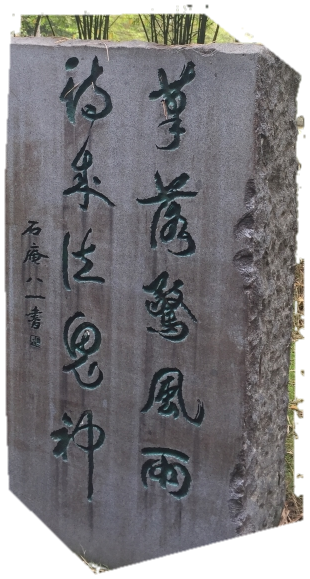
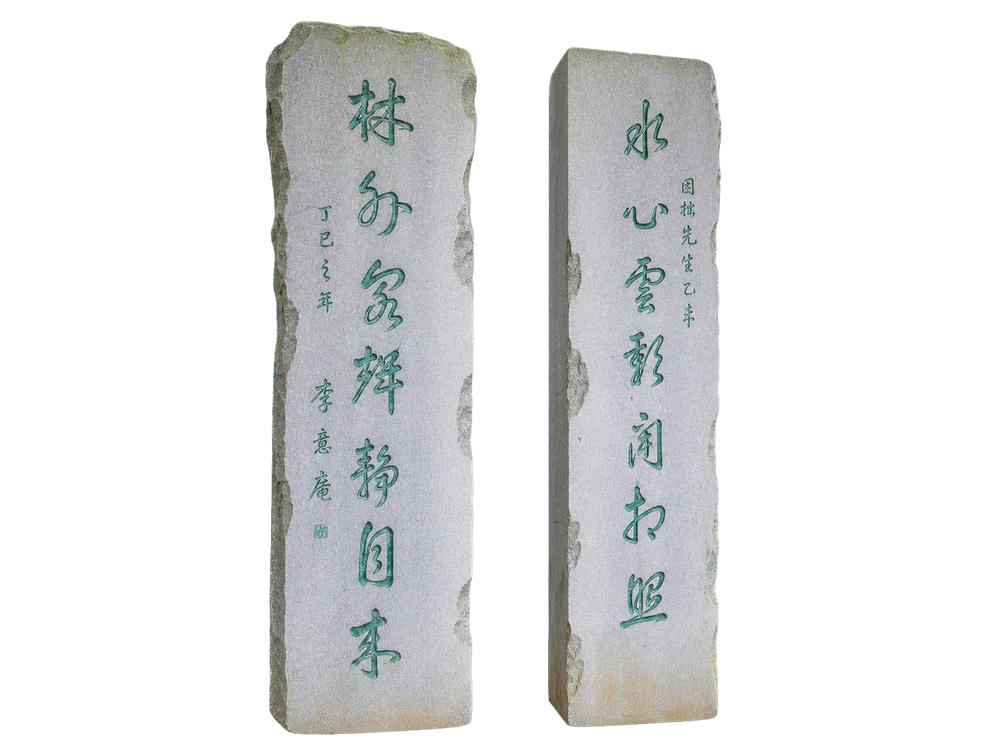
Li Da Ting
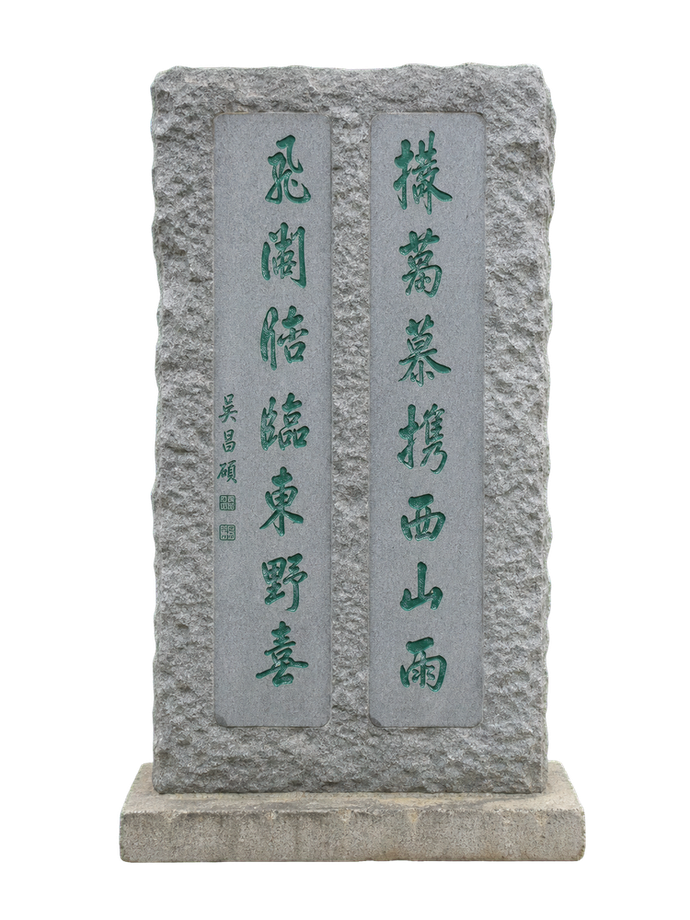
Li Da Ting hailed from Guanghai, Taishan District, Guangdong Province. He was a distinguished calligrapher, member of Nanyang Calligraphy and Painting Association, and the inaugural secretary of United Chinese School Committees (Dong Zong). His big-script calligraphy on the signboards and ‘Xing Cao’ calligraphy formed part of the street scene in the old days’ Kuala Lumpur. Sultan Street’s historic signs such as the art and cultural centre of Yan Keng Benevolent Dramatic Association and the old folks-cum-funeral home Chik Sin Thong were penned by him. Li drew inspiration from Ming Dynasty’s calligrapher Dong Qi Chang, who is renowned for the epitaph or brief biographical sketch he wrote for Xiang Mo Lin’s funeral. Li’s calligraphy is very much driven by the ancient style that he admired. The characteristics of his calligraphy include the robust, thick yet elegant strokes deriving from a centrally-stroked technique. There are only a very limited number of works by Li in circulation today. This couplet was authored by him at the age of 90. It echoes the journey of his life through the seasoned brushstrokes. He certainly left a legacy of calligraphy art in his era, which today inspires the newer generations to draw inspiration from.