Malaysia Chinese Calligraphy Stone Gallery
Curated Collection
Let these collections be more than a display—let them be a wandering, a quiet gaze. Here, every stroke is a whisper of time, leading you into the boundless river of the written word.
Western Zhou
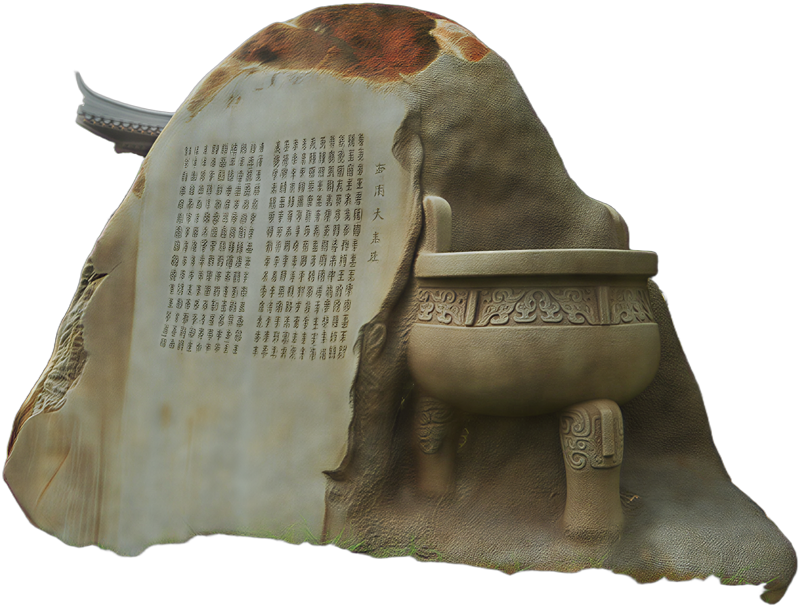
This bronze vessel has the longest inscription among those that have been discovered. It was excavated in Qishan, Shaanxi during the Daoguang Period, Qing Dynasty and it is now kept in the National Palace Museum in Taiwan. The inscriptions are about political affairs that King Xuan of Zhou entrusted Duke Mao to conduct
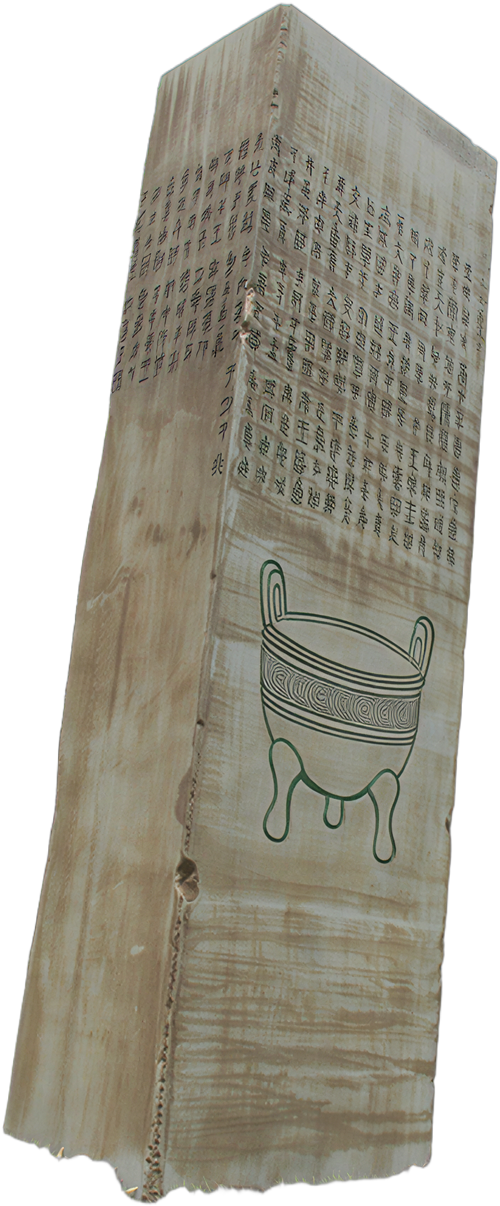
The Yu Cauldron, which is kept in the National Museum of China, is a bronze ceremonial vessel of the Western Zhou period. It was unearthed in Meixian, Shannxi during the Daoguang Period, Qing Dynasty. The inscriptions are about King Kang’s narration of the founding of the Zhou Kingdom and the fall of the Shang Dynasty. The writing is highly artistic and it is the model of Bronze Inscription.
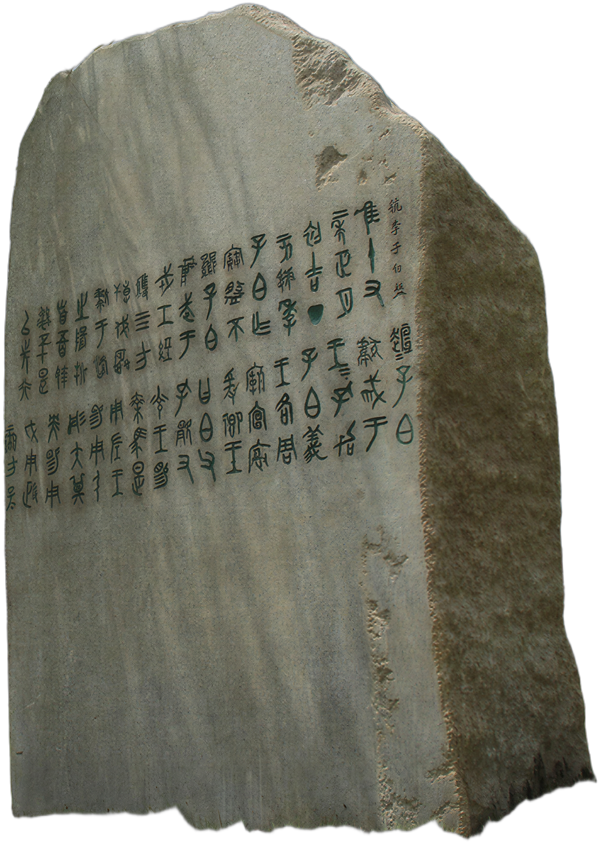
This inscription typifies bronze script calligraphy. The basin, which was excavated in Baoji, Shaanxi during the Daoguang Period, Qing Dynasty, is now kept in the National Museum of China. The basin was made to commemorate Guojizibo’s victory in a battle.
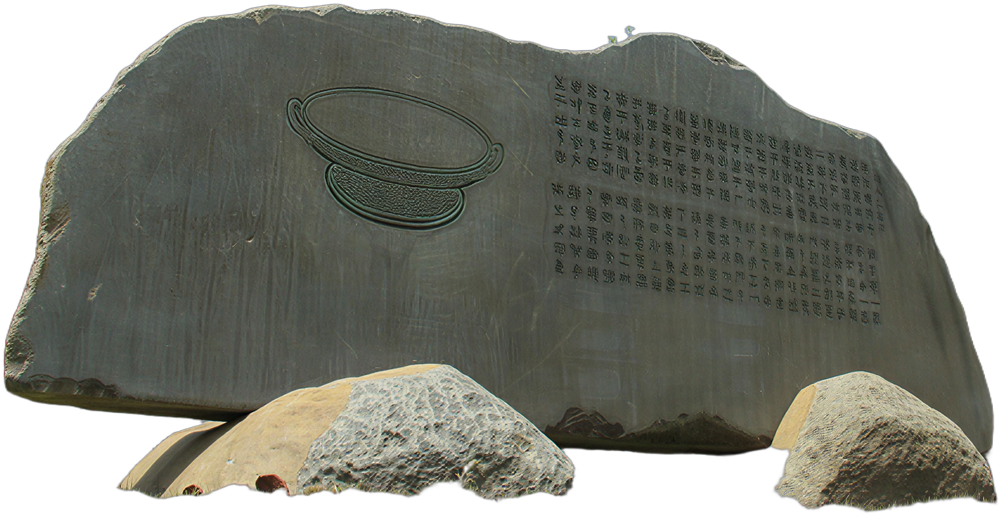
San-Shi Treaty Pan was unearthed in Fengxiang, Shaanxi during the Qianlong Period, Qing Dynasty, and it is now kept in the National Palace Museum in Taiwan. A peace treaty is inscribed on it. These characters are square in shape, while the mainstream calligraphic style of that period was in favour of narrow and rectangular-shaped characters.