
No items found.
C34
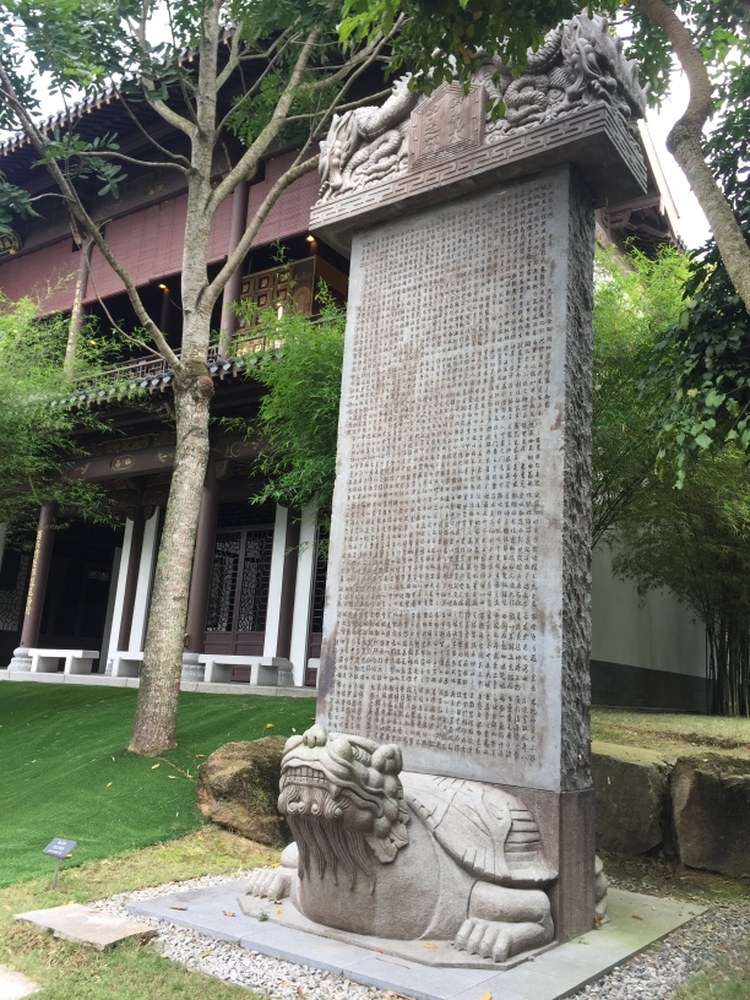
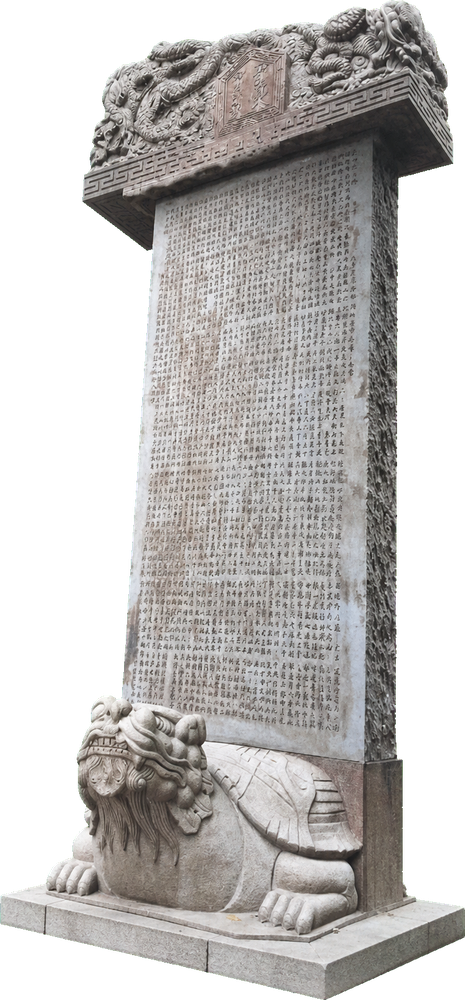
Wu Zetian's Stele of Crown Prince Shengxian
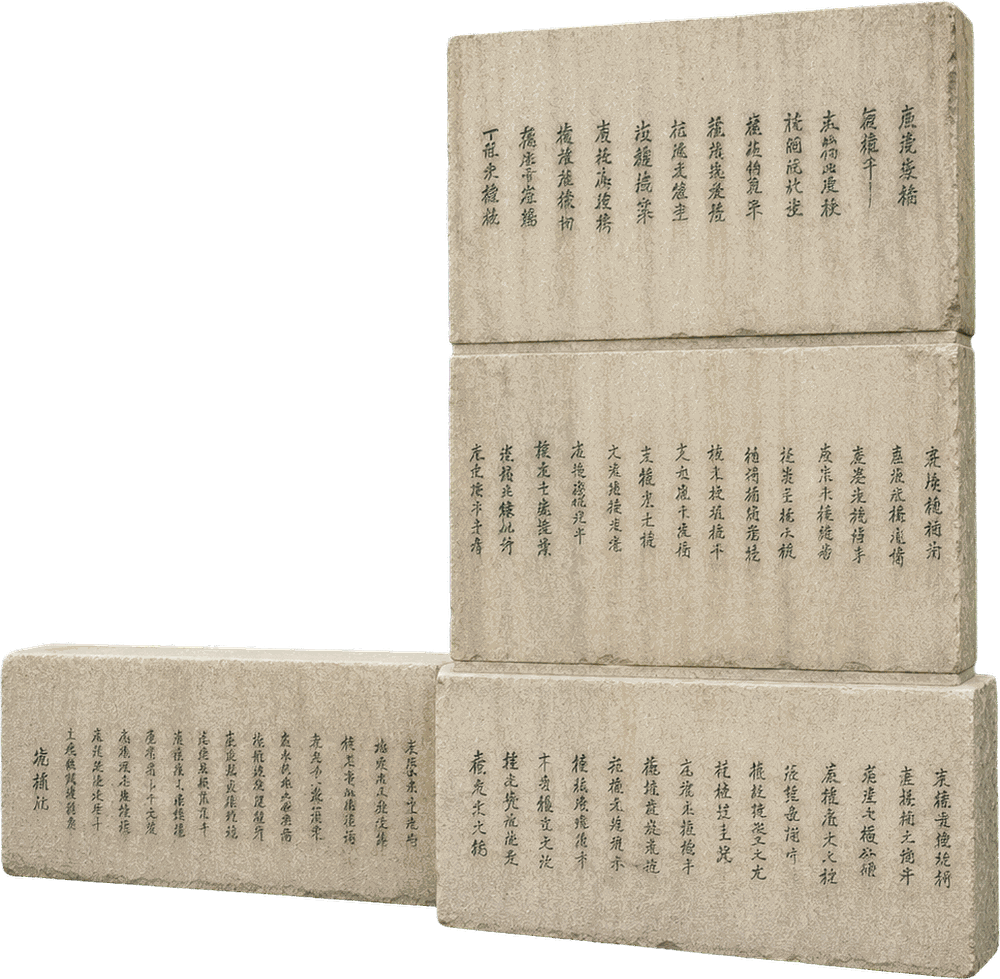
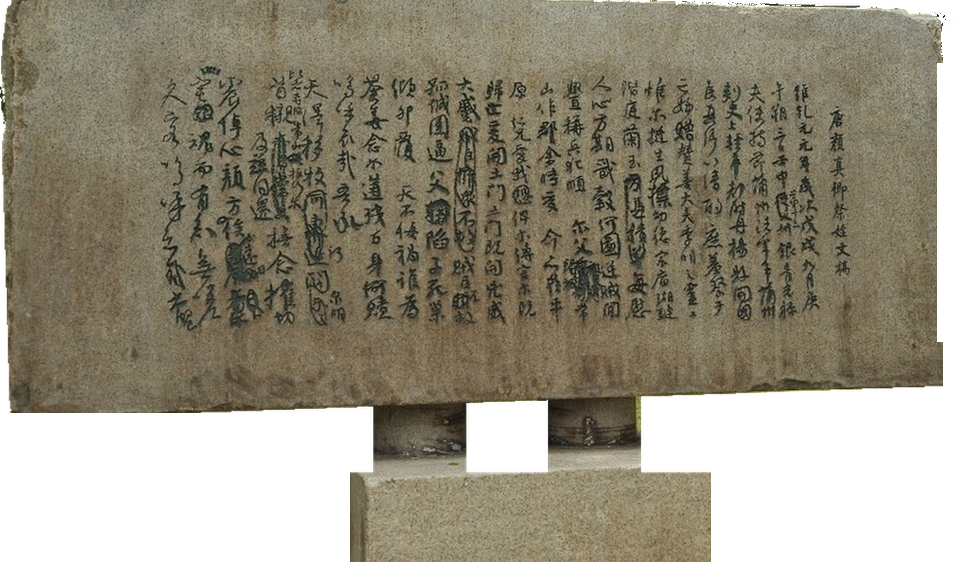
This stele was erected in June of the second year of the Shengli era of the Wu Zhou period, 699 CE. It was written by Wu Zetian, with thirty-four lines and sixty-six characters per line. The stele title, “Stele of Crown Prince Shengxian,” is written in six characters of flying-white script shaped like birds, reflecting a style fashionable in the Tang dynasty. The original stone is preserved at Xianjun Temple on Mount Gou in Yanshi, Henan. Wu Zetian was the empress of Emperor Gaozong of Tang. In the first year of the Hongdao era she became empress dowager and ruled from behind the court; after the first year of the Tianshou era she declared herself emperor and changed the state name to Zhou. Her calligraphy holds an important place among women calligraphers of ancient China, making her another renowned female calligrapher after Lady Wei of the Eastern Jin. Her cursive style came from the Two Wangs and was also influenced by Sun Guoting. Historical records say that she obtained authentic works by twenty-eight members of the Wang family from Wang Fangqing, a tenth-generation descendant of Wang Dao, and studied them closely, steadily improving her cursive script. This stele brings running-cursive writing into stone inscription: the strokes turn smoothly, vary well in thickness, follow disciplined cursive methods, and form strict structures with an open composition. Each character stands independently, somewhat like the method of clerical cursive. From time to time unusual characters appear, namely the dozen or so so-called “new characters of Wu Zhou” created by Wu Zetian herself. Apart from these, the stele is written in orthodox cursive script. It is an important Tang dynasty cursive work and calligraphic source.
Malaysia Chinese Calligraphy Stone Gallery