
No items found.
C28
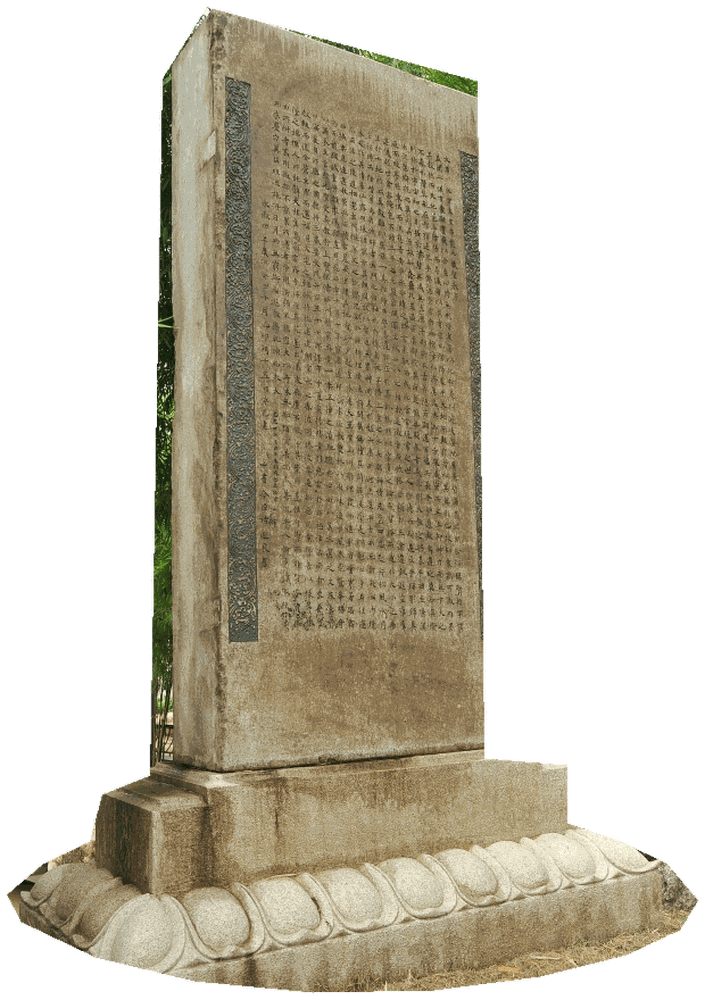
The Mu Liang Epitaph
The Mu Liang Epitaph was carved in the third year of the Jingming reign of Emperor Xuanwu of the Northern Wei dynasty (502 CE). It was unearthed in 1925 at Xishan, northeast of Luoyang in Henan. Its calligraphy has a rigorous structure, handsome and upright energy, and a strong, weighty presence. The edges are distinct without being sharp, and the strokes are full while retaining inner strength. It represents the heavy and expansive style of early Northern Wei epitaph calligraphy, and its style is relatively close to the famous Wei stele The Zhang Menglong Stele. The inscription records that Mu Liang was the son of the Second Princess of Changle of Northern Wei. He campaigned in Hexi, defeated Tuyuhun, subdued Liyang, guarded the Luoyang capital region, and achieved distinguished political accomplishments.《穆亮墓志》刻于北魏宣武帝景明三年(公元502年),1925年在河南洛阳城东北西山出土,书法结构严谨,俊美挺劲,遒茂沉厚,棱角分明而不锋利,笔画丰腴而筋骨内含,是北魏墓志前期厚重盛大书风的一种表现,风格与著名魏碑《张猛龙碑》较为接近。内容表述穆亮是北魏长乐二公主之子,曾征治河西,击败吐谷浑,讨收醴阳,镇守洛都,政绩彪炳。
Malaysia Chinese Calligraphy Stone Gallery